
SVU Season 25 Legal Insights: A Lawyer’s Take on Law and Order’s Latest Cases
Law & Order: Special Victims Unit continues its groundbreaking 25th season by tackling some of the most complex and controversial legal issues facing modern society. As viewers follow Detective Olivia Benson and her elite team through harrowing investigations, the show raises critical questions about criminal procedure, victim advocacy, and the intersection of law enforcement with justice. This season brings unprecedented attention to sexual assault cases, workplace harassment, and the evolving legal landscape surrounding consent and trauma-informed prosecution.
For legal professionals and informed viewers alike, SVU Season 25 presents a fascinating opportunity to examine how television portrays real-world legal challenges. The show’s writers have consistently demonstrated a commitment to accuracy while maintaining dramatic tension, creating storylines that reflect actual courtroom dynamics and procedural requirements. Understanding the legal frameworks behind these compelling narratives helps viewers appreciate both the show’s authenticity and the genuine complexities that prosecutors, defense attorneys, and victims’ advocates navigate daily.

Criminal Procedure and Investigation Standards in Season 25
One of SVU Season 25’s most compelling aspects involves its detailed portrayal of criminal investigation procedures. The show accurately depicts how detectives must balance thorough evidence collection with constitutional protections for suspects. When the SVU team launches investigations, they follow specific protocols governed by the Fourth Amendment, which protects citizens against unreasonable searches and seizures. The show frequently illustrates the necessity of obtaining warrants before conducting searches, reflecting real-world legal requirements that law enforcement must follow.
The season showcases multiple episodes where investigators encounter Miranda rights issues—those critical warnings that police must provide before custodial interrogation. This connects directly to understanding civil law versus criminal law distinctions, as the consequences of procedural violations can result in evidence suppression and case dismissal. Detective Benson’s careful approach to interrogations demonstrates the real-world awareness that improper questioning can compromise an entire investigation, regardless of a suspect’s actual guilt.
Season 25 also highlights chain of custody procedures and forensic evidence handling. The show’s depiction of how evidence must be documented, stored, and presented reflects actual laboratory standards and legal requirements. When SVU brings cases to trial, the prosecution must demonstrate that evidence remained uncontaminated and properly maintained, or defense attorneys can successfully challenge its admissibility. This season includes several cases where forensic evidence becomes central to establishing guilt beyond a reasonable doubt.
Victim Advocacy and Trauma-Informed Prosecution
Perhaps no aspect of SVU Season 25 resonates more powerfully than its consistent emphasis on victim advocacy and trauma-informed approaches to prosecution. The show demonstrates how modern prosecutors increasingly recognize that sexual assault victims often experience complex trauma responses that don’t align with outdated expectations of how “real” victims should behave. This shift reflects genuine changes in how the criminal justice system now approaches sexual violence cases.
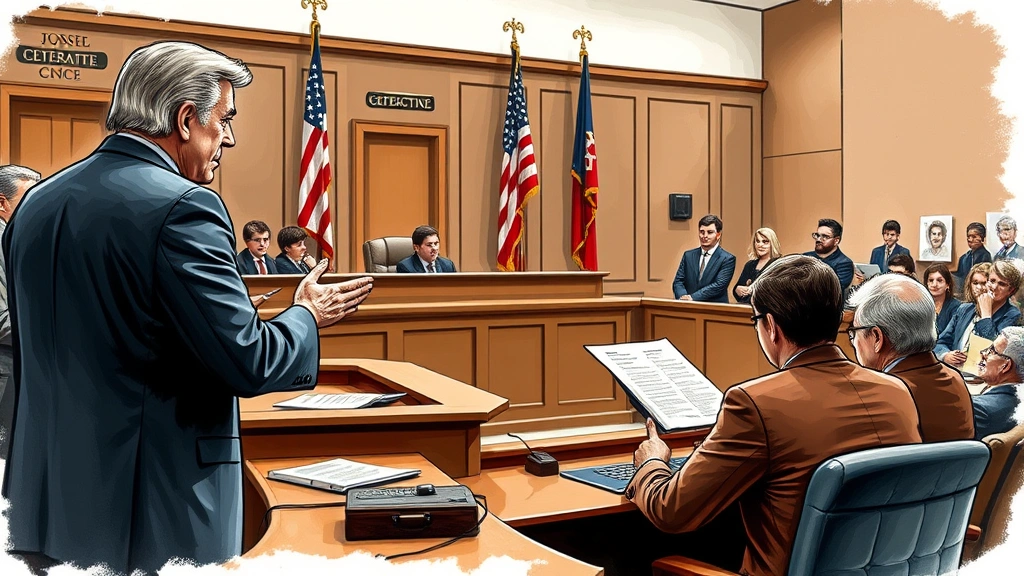
The season features ADA Dominick Carisi navigating the challenges of reporting workplace harassment and sexual assault within institutional contexts. His prosecutorial choices reflect real-world considerations about victim safety, credibility concerns, and the psychological impact of testifying. When victims struggle to recall details or display emotional responses that seem counterintuitive, Carisi consults with forensic psychologists and trauma specialists—a practice that increasingly reflects actual prosecutorial strategy in sexual assault cases.
The show also illustrates how victim advocates work alongside prosecutors to ensure that survivors receive support throughout the legal process. These advocates, present throughout Season 25, address victims’ practical needs—from emergency housing to employment concerns—while helping them navigate the often-traumatizing experience of criminal prosecution. This victim-centered approach has become standard in many jurisdictions, fundamentally changing how law enforcement and prosecutors handle sexual assault cases.
An important Season 25 theme involves understanding that delayed reporting doesn’t indicate false allegations. The show demonstrates how trauma can suppress memories, create shame and fear, and prevent victims from coming forward immediately. This reflects actual psychological research that juries and judges increasingly recognize, helping overcome historical prejudices against delayed disclosure.
Workplace Harassment and Employment Law Implications
Several Season 25 episodes center on workplace sexual harassment and assault, bringing employment law into sharp focus. These storylines require understanding how consumer and worker protections extend into employment contexts. Federal law, particularly Title VII of the Civil Rights Act, prohibits sex-based harassment in workplaces with fifteen or more employees. State and local laws often provide broader protections and lower employee thresholds.
The show accurately depicts how workplace harassment complaints create parallel legal proceedings. While SVU investigates criminal conduct, victims may simultaneously pursue civil remedies through employment agencies or lawsuits. This dual-track approach appears throughout Season 25, showing how victims can seek both criminal justice and financial compensation through different legal systems. The distinction between criminal and civil proceedings becomes crucial, as different standards of proof apply—criminal cases require guilt beyond a reasonable doubt, while civil cases use the preponderance of the evidence standard.
Season 25 episodes also highlight how employers have legal obligations to investigate harassment complaints and prevent retaliation. The show demonstrates that victims who report harassment cannot legally be fired, demoted, or treated differently because of their complaints. When employers fail these obligations, they face potential liability. The season includes several cases where institutional responses to harassment reports become evidence in both criminal and civil proceedings.
Additionally, the show addresses how workplace power dynamics complicate harassment cases. When supervisors or high-ranking executives commit harassment, victims often fear professional retaliation, making reporting more difficult. SVU Season 25 realistically portrays these concerns and the additional burden they place on victims seeking justice.
Consent, Capacity, and Evolving Legal Standards
One of the most legally significant themes throughout Season 25 involves the evolution of consent standards in sexual assault law. The show depicts how modern legal frameworks increasingly recognize that consent requires clear affirmative agreement, not merely the absence of “no.” This represents a significant departure from historical legal standards and reflects changing understandings of sexual autonomy and respect.
The season explores capacity issues extensively, showing how individuals cannot legally consent when intoxicated, unconscious, or mentally incapacitated. SVU demonstrates how prosecutors must prove not merely that sexual contact occurred, but that the alleged victim lacked capacity to consent due to their condition. This requires medical testimony, toxicology reports, and detailed victim statements about their mental state during the alleged assault.
Season 25 also addresses age of consent laws and statutory rape prosecutions. These episodes illustrate how the law protects minors regardless of perceived consent, recognizing that children cannot legally consent to sexual activity with adults. The show accurately depicts how these cases involve different legal standards than adult sexual assault cases, with some jurisdictions providing absolute liability regardless of the minor’s apparent willingness.
The show’s treatment of consent includes nuanced exploration of how prior consensual relationships don’t automatically establish ongoing consent. A partner’s previous agreement to sexual activity doesn’t eliminate the requirement for consent to each specific encounter. This principle, increasingly reflected in modern sexual assault law, appears throughout several Season 25 storylines.
The Role of Expert Testimony and Forensic Evidence
Season 25 features extensive use of expert witnesses—forensic psychologists, medical examiners, sexual assault nurse examiners, and toxicologists. The show accurately depicts how expert testimony must meet specific legal standards for admissibility. Under the Daubert standard, used in federal courts and many states, expert testimony must be based on reliable methods and relevant to the case at hand. The show demonstrates how defense attorneys challenge expert qualifications and methodologies, reflecting real courtroom dynamics.
Forensic evidence plays central roles throughout Season 25. DNA analysis, once the gold standard of forensic evidence, appears regularly but with appropriate caveats about its limitations. The show depicts how DNA evidence can exclude suspects or establish presence at crime scenes, but doesn’t necessarily prove the nature of contact or lack of consent. This nuanced approach reflects actual forensic science, where evidence establishes facts but doesn’t automatically determine guilt or innocence.
Sexual assault nurse examiners (SANEs) appear frequently in Season 25, conducting medical examinations and collecting evidence following allegations. The show accurately portrays how these examinations document injuries and collect biological evidence while providing medical care and support. These trained professionals have become essential in modern sexual assault investigations, and their testimony often proves crucial in prosecutions.
Defense Strategy and Constitutional Protections
While SVU emphasizes prosecution perspectives, Season 25 includes realistic portrayals of defense strategy and the constitutional protections that defense attorneys must vigorously assert. The show depicts defense attorneys challenging evidence admissibility, questioning witness credibility, and presenting alternative narratives—all essential components of the adversarial justice system.
The season includes cases where defense strategies focus on consent, showing how accused individuals have constitutional rights to present defenses even in sexual assault cases. While controversial, these portrayals reflect actual courtroom practice where defendants can testify about their understanding of consent or present evidence suggesting the accuser consented. The show demonstrates the tension between protecting accused individuals’ rights and ensuring justice for victims.
Season 25 also illustrates how defense attorneys use cross-examination to explore inconsistencies in victim testimony or investigate alternative explanations for evidence. While sometimes uncomfortable to watch, these defense tactics reflect constitutional protections essential to fair trials. The show generally handles this balance thoughtfully, avoiding suggestions that vigorous defense tactics equate to victim-blaming.
The show further demonstrates how procedural errors can devastate prosecutions. When police fail to follow proper procedures, when evidence is mishandled, or when constitutional rights are violated, defense attorneys can exclude evidence or dismiss charges entirely. This reflects the genuine tension in criminal justice between pursuing guilty verdicts and protecting constitutional protections.
FAQ
How accurate is SVU Season 25’s legal portrayal?
SVU generally maintains strong accuracy regarding criminal procedure, evidence handling, and legal standards. The show occasionally compresses timelines or exaggerates prosecution success rates for dramatic purposes, but core legal principles align with actual practice. Prosecutors and defense attorneys often praise the show’s realistic depiction of courtroom dynamics and investigative procedures.
Can victims pursue both criminal and civil cases?
Yes. Criminal cases seek to punish defendants, while civil cases seek financial compensation. These proceed independently with different standards of proof and procedures. Season 25 accurately depicts how victims can pursue both remedies simultaneously.
What should someone do if they experience sexual assault?
Seek immediate safety, contact local law enforcement, and reach out to sexual assault service providers. Many communities offer confidential support through RAINN (Rape, Abuse & Incest National Network), which provides resources and guidance regardless of whether someone reports to police.
How have consent standards evolved?
Modern legal standards increasingly require affirmative consent rather than merely the absence of refusal. Many jurisdictions now explicitly define consent as clear, knowing, and voluntary agreement. This represents significant evolution from historical standards that placed burden on victims to actively resist.
What is a trauma-informed approach to prosecution?
Trauma-informed prosecution recognizes how sexual assault affects victims’ memory, emotional responses, and ability to participate in proceedings. Prosecutors using this approach provide support services, allow flexibility in testimony, and educate juries about trauma responses. This approach, featured throughout Season 25, increasingly reflects best practices in sexual assault prosecution.


