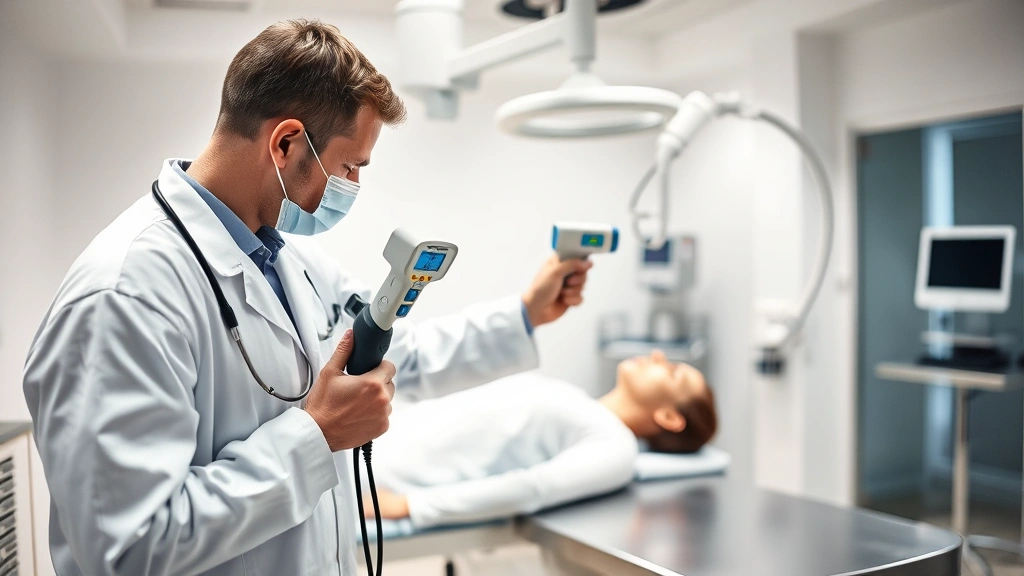
The law of cooling is a fundamental principle in forensic science and criminal investigation that applies Newton’s physical law to legal proceedings. This scientific concept has become increasingly important in court cases involving suspicious deaths, crime scene investigations, and postmortem interval determinations. Understanding how this principle works and its legal implications can help legal professionals, law enforcement, and those pursuing careers in forensic law better comprehend evidence presentation and expert testimony.
In legal contexts, the law of cooling refers to the application of Newton’s Law of Cooling—a mathematical principle describing how objects lose heat to their environment. When a body is discovered at a crime scene, determining the time of death becomes critical to establishing timelines, alibis, and guilt or innocence. Forensic pathologists and medical examiners rely on this principle to estimate postmortem intervals, which directly impacts legal investigations and courtroom arguments.
What Is Newton’s Law of Cooling?
Newton’s Law of Cooling is a mathematical formula that describes the rate at which an object cools when exposed to a cooler environment. The principle states that the rate of heat loss from an object is proportional to the difference between its temperature and the ambient temperature. In mathematical terms, the law is expressed as: dT/dt = -k(T – T_a), where T represents the object’s temperature, T_a is the ambient temperature, k is a constant, and t is time.
In the context of legal investigations, this principle becomes particularly valuable when applied to human cadavers. When a person dies, their body begins to lose heat to the surrounding environment through a process called algor mortis. By measuring the body’s core temperature and understanding the environmental conditions where the body was found, forensic scientists can calculate backward to estimate when death occurred. This estimation technique has become a cornerstone of forensic pathology and criminal investigations.
The beauty of applying this scientific principle to legal matters lies in its objective nature. Unlike subjective observations or witness testimonies, the law of cooling provides mathematical data that can be analyzed, tested, and verified. However, legal professionals must understand both the strengths and limitations of this approach when presenting evidence in court.
Application in Forensic Pathology
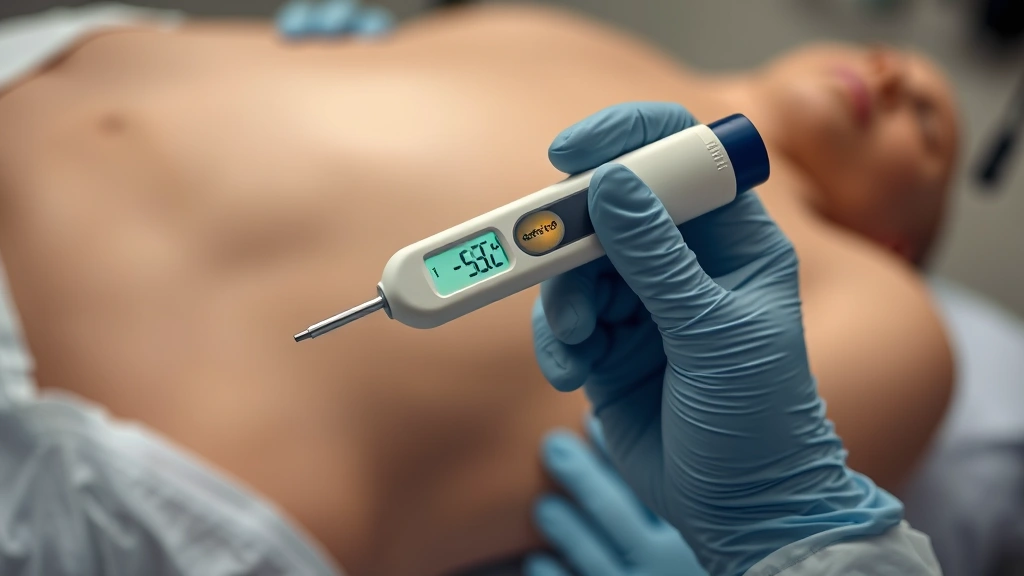
Forensic pathologists apply the law of cooling primarily through temperature measurement of deceased individuals. When a body arrives at a medical examiner’s office or is examined at a crime scene, pathologists measure the rectal temperature, which provides the most accurate core body temperature reading. This measurement, combined with knowledge of the environmental temperature where the body was discovered, allows experts to estimate the postmortem interval—the time elapsed since death.
The process involves several critical steps. First, the examiner records the body’s core temperature using a thermometer inserted into the rectum. Next, they document the ambient temperature of the location where the body was found. Environmental factors such as air conditioning, heating, weather conditions, and exposure to elements are meticulously noted. The examiner then applies the law of cooling formula, accounting for various correction factors that influence heat loss rates.
These correction factors are essential because human bodies don’t cool uniformly or predictably. Factors affecting cooling rates include body weight, clothing, humidity levels, air movement, and the surface the body rests upon. A clothed body cools differently than a nude body. A body in water loses heat much faster than one exposed to air. These variables must be incorporated into calculations to provide accurate time-of-death estimates.
When pursuing a career in forensic law or how to get into law schools with a forensic focus, understanding these practical applications becomes crucial. Law students interested in this field benefit from studying both the scientific principles and their legal implications, preparing them for careers where they might need to understand or challenge such evidence.
Legal Admissibility and Expert Testimony
The admissibility of law of cooling evidence in court depends on several legal standards established through case law and rules of evidence. In the United States, expert testimony regarding postmortem interval estimation must meet the requirements set forth in Daubert v. Merrell Dow Pharmaceuticals, Inc., a landmark Supreme Court decision. This case established that expert testimony must be based on reliable scientific methodology and must be relevant to the case at hand.
Under Daubert standards, courts evaluate whether the methodology is testable, has been subjected to peer review and publication, possesses a known error rate, and has been generally accepted in the relevant scientific community. The law of cooling, when properly applied by qualified experts, generally meets these criteria. However, courts must also consider whether the probative value of such evidence outweighs any prejudicial effect on the jury.
Expert witnesses presenting law of cooling evidence must be qualified through rigorous voir dire examination. They must demonstrate extensive training in forensic pathology, understanding of the mathematical principles involved, and experience applying these principles in previous cases. The opposing counsel has the right to challenge the expert’s qualifications, the methodology used, and the conclusions reached.
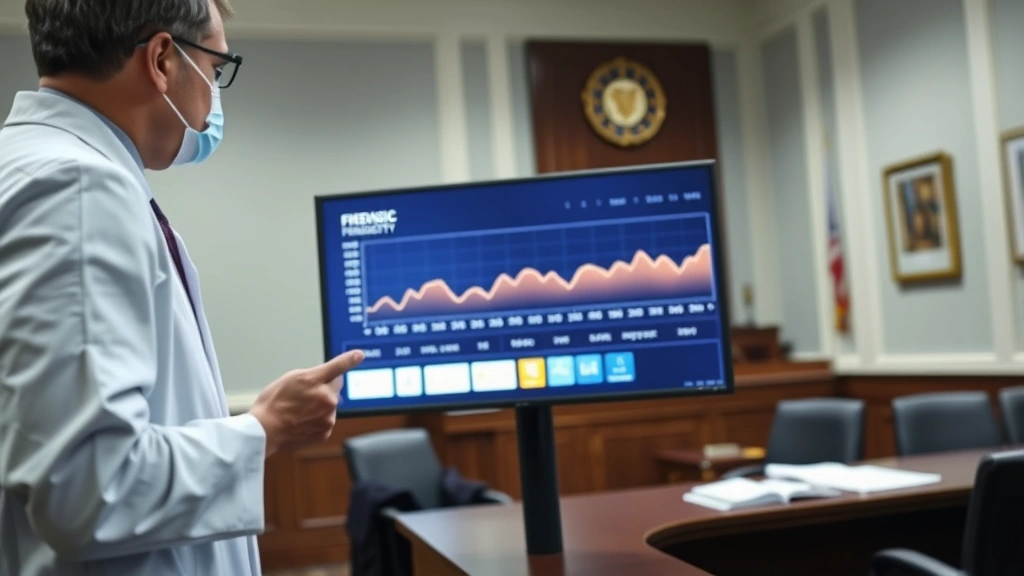
Presenting this evidence effectively requires clear, understandable explanations of complex scientific concepts. Experts often use visual aids, graphs, and simplified explanations to help juries understand how body temperature relates to time of death. The testimony must be specific to the facts of the case, accounting for the unique environmental and physical circumstances surrounding the body’s discovery.
Challenges and Limitations in Court
Despite its scientific foundation, the law of cooling faces significant challenges when applied in legal proceedings. One major limitation is the inherent variability in cooling rates among individuals. Bodies don’t cool at uniform rates due to differences in metabolism, body composition, clothing, and initial body temperature at the time of death.
Defense attorneys frequently challenge time-of-death estimates based on body temperature for several reasons. First, the normal human body temperature isn’t always 98.6 degrees Fahrenheit; it varies among individuals and throughout the day. Second, some diseases and conditions can elevate body temperature at the time of death, affecting cooling rate calculations. Third, the ambient temperature recorded at the scene may not reflect the temperature where the body actually rested if it was moved after death.
Another critical challenge involves the margin of error. Even with perfect methodology, estimates of postmortem interval using the law of cooling typically have error margins of several hours, particularly when more than 24 hours have elapsed since death. This uncertainty can be problematic in cases where precise timing is crucial to establishing alibis or timelines.
Courts have also recognized that the law of cooling becomes increasingly unreliable after the body has cooled to ambient temperature. Once a body reaches the same temperature as its environment, the formula no longer applies, making it impossible to estimate time of death accurately using this method alone. This limitation is particularly significant in cases where bodies have been undiscovered for extended periods.
Additionally, factors like rigor mortis, livor mortis, and decomposition stage must be considered alongside temperature evidence. Courts often require multiple lines of evidence to establish postmortem interval, rather than relying solely on the law of cooling. This multifaceted approach strengthens the reliability of time-of-death determinations and provides juries with comprehensive information.
Time of Death Estimation Methods
While the law of cooling is valuable, forensic pathologists employ multiple methods to estimate time of death, creating a more robust and legally defensible conclusion. The algor mortis method using body temperature is just one component of a comprehensive postmortem interval assessment.
Rigor mortis refers to the stiffening of muscles after death, which progresses in a predictable pattern. This physical change begins approximately two to six hours after death and can persist for days depending on environmental conditions and body composition. The progression of rigor mortis provides another temporal marker that, combined with temperature evidence, strengthens time-of-death estimates.
Livor mortis involves the pooling of blood in lower body tissues, creating purplish discoloration. The timeline for livor mortis development and fixation can help establish postmortem intervals. When combined with law of cooling evidence, these physical indicators provide multiple lines of evidence supporting expert conclusions.
Decomposition staging examines the degree of tissue breakdown and microbial activity. Environmental conditions significantly affect decomposition rates, but experts can estimate postmortem intervals based on decomposition progression. This method becomes increasingly important as bodies cool to ambient temperature and the law of cooling becomes unreliable.
Entomological evidence involves examining insects and larvae found on or near the body. Forensic entomologists can determine developmental stages and use insect biology to estimate postmortem intervals. This method is particularly valuable in outdoor crime scenes and can provide evidence spanning weeks or months.
Legal professionals must understand these various methods and how they complement or contradict each other. When crafting law school personal statements for forensic-focused applications, candidates can demonstrate knowledge of these integrated approaches to forensic investigation.
Case Studies and Legal Precedents
Several high-profile cases have illuminated how courts handle law of cooling evidence and postmortem interval testimony. These cases demonstrate both the value and limitations of this scientific principle in legal proceedings.
In cases involving contested time-of-death estimates, courts have consistently held that expert testimony must clearly explain the methodology, acknowledge limitations, and present findings with appropriate confidence intervals rather than false certainty. Judges have excluded or limited expert testimony when pathologists presented time-of-death estimates with unrealistic precision or failed to account for documented variables.
The evolution of forensic science jurisprudence reflects growing judicial sophistication regarding scientific evidence. Courts now routinely require experts to explain the error margins associated with their conclusions and to discuss alternative explanations for physical findings. This development has generally strengthened the reliability of evidence presented in criminal and civil cases.
Notable cases have established that law of cooling evidence alone cannot establish time of death with sufficient precision for many legal purposes. Courts recognize that this method provides a useful range within which death likely occurred, but the range may be too broad to definitively exclude suspects or confirm alibis. Therefore, prosecutors and defense attorneys must present corroborating evidence including witness testimony, surveillance footage, and other forensic indicators.
The legal principle of Daubert reliability continues to shape how courts evaluate postmortem interval evidence. Experts must demonstrate that their methodology has been tested, published in peer-reviewed journals, and accepted by the relevant scientific community. This rigorous standard has improved the overall quality of forensic testimony while occasionally excluding testimony based on outdated or unreliable techniques.
Training and Expertise Requirements
Forensic pathologists who testify regarding the law of cooling must possess extensive training and credentials. Typically, these experts hold medical degrees and have completed specialized fellowships in forensic pathology. Many are board-certified by the American Board of Pathology in the forensic pathology specialty, demonstrating mastery of relevant knowledge and skills.
Beyond formal education, experts must maintain current knowledge of forensic science developments through continuing education, research participation, and professional engagement. They should be familiar with peer-reviewed literature on postmortem interval estimation, understand statistical methods for analyzing temperature data, and stay informed about emerging techniques and technologies.
Legal professionals interested in forensic science careers have multiple pathways. Some pursue medical education followed by forensic pathology fellowship, while others work as forensic consultants with backgrounds in biology, chemistry, or engineering. Understanding the best majors for law school that complement forensic interests can help aspiring legal professionals develop appropriate educational foundations.
For those attending law school, particularly programs with strong forensic law curricula like those offered at Texas law schools, exposure to forensic science principles during legal education provides valuable context for understanding expert testimony. Criminal law courses often incorporate forensic evidence analysis, helping future attorneys effectively cross-examine experts or present scientific evidence.
Professional organizations such as the National Association of Medical Examiners and the American Academy of Forensic Sciences establish standards for forensic pathology practice and expert testimony. These organizations publish guidelines for postmortem interval estimation and maintain ethical standards for expert witness testimony.
Attorneys working with forensic experts should verify credentials through these professional organizations and confirm that experts have substantial case experience. When preparing law school resumes or applying to positions involving forensic law, candidates should emphasize relevant coursework, internships with medical examiners’ offices, or experience assisting with forensic cases.
For those considering part-time law school while working in forensic fields, this combination can provide unique perspectives and practical knowledge that enhance professional capabilities. Working professionals bring real-world experience to their legal studies, enriching classroom discussions and developing specialized expertise.
FAQ
How accurate is the law of cooling for estimating time of death?
The law of cooling provides a useful estimate but typically has error margins of several hours, especially after 24 hours post-mortem. Courts recognize these limitations and require corroborating evidence rather than relying solely on temperature-based estimates. The method becomes unreliable once the body cools to ambient temperature.
Can the law of cooling be applied to bodies found in water?
Bodies lose heat much more rapidly in water than in air, making standard law of cooling calculations unsuitable without significant modifications. Water temperature, body composition, and submersion depth all affect cooling rates dramatically. Forensic experts must adjust their methodology substantially when applying this principle to submerged remains.
What factors affect how quickly a body cools?
Multiple factors influence cooling rates, including ambient temperature, humidity, air movement, body weight, clothing, underlying medical conditions, and the surface on which the body rests. Obese individuals cool more slowly than thin individuals. Clothed bodies cool more slowly than nude bodies. Environmental conditions at the discovery site significantly impact calculations.
Is law of cooling evidence always admissible in court?
Law of cooling evidence is generally admissible when presented by qualified experts using reliable methodology, but courts apply Daubert standards to evaluate admissibility. Judges may exclude or limit such testimony if the expert cannot adequately explain methodology, acknowledge limitations, or provide appropriate confidence intervals. The evidence must be relevant and its probative value must outweigh any prejudicial effect.
What is postmortem interval?
Postmortem interval is the time elapsed between death and the discovery or examination of the body. Forensic pathologists estimate postmortem interval using multiple methods including body temperature analysis, rigor mortis progression, livor mortis development, decomposition staging, and entomological evidence. Accurate estimation is critical for establishing timelines in criminal investigations.
How do defense attorneys challenge law of cooling evidence?
Defense counsel challenges such evidence by questioning expert qualifications, methodology reliability, and the applicability of assumptions to the specific case. They may present evidence of factors that would affect cooling rates differently than assumed, highlight the margin of error inherent in temperature-based estimates, or present alternative expert testimony suggesting different time-of-death windows.
Can body temperature be measured accurately at crime scenes?
Crime scene temperature measurements can be challenging and may not reflect the actual temperature where the body rested, particularly if the body was moved. Investigators must document ambient temperature, air conditioning or heating status, weather conditions, and the specific location where temperature was measured. These variables significantly impact the reliability of subsequent calculations.
What professional organizations establish standards for forensic pathology?
The National Association of Medical Examiners and the American Academy of Forensic Sciences establish professional standards and ethical guidelines. The American Board of Pathology provides board certification in forensic pathology, ensuring experts meet rigorous education and experience requirements.


