
Is Trespassing a Crime? Lawyer Insights on Property Rights and Criminal Liability
Trespassing stands as one of the most commonly misunderstood offenses in criminal law. While many people assume all trespassing constitutes a crime, the legal reality proves far more nuanced. Whether trespassing rises to criminal status depends on jurisdiction, intent, property type, and specific statutory definitions. Understanding these distinctions matters significantly for property owners, residents, and anyone who might inadvertently cross onto another’s land.
The concept of trespassing intersects criminal law, civil liability, and property rights in complex ways. Some trespassing incidents result in criminal charges, while others remain purely civil matters. This distinction carries profound consequences, affecting everything from arrest records to financial liability. Our exploration examines how courts and legislatures define trespassing crimes, what separates criminal from civil violations, and how lawyers navigate these distinctions in real-world cases.
What Constitutes Trespassing Legally
Trespassing occurs when someone enters or remains on another person’s property without permission or legal authority. This fundamental definition appears straightforward, yet its application involves considerable legal complexity. The core element requires unauthorized entry onto land or structures owned or controlled by another party. However, what constitutes “land or structures” varies significantly across jurisdictions and fact patterns.
Property encompasses far more than residential homes and commercial buildings. It includes vacant land, agricultural fields, parking lots, private roads, and even the airspace above ground. Some jurisdictions extend trespassing protections to navigable waterways and underwater property. The breadth of property definitions means trespassing accusations can arise in diverse contexts, from hiking on unmarked trails to parking in private lots.
The statutory law defining trespassing varies considerably. Many states codify trespassing in their penal codes, establishing specific elements prosecutors must prove beyond reasonable doubt. These statutes typically require showing that the defendant entered property knowing it was not theirs, or with knowledge that entry was prohibited. Some jurisdictions distinguish between trespassing on improved property (buildings, fenced land) versus unimproved property (open fields, wilderness).
Understanding what constitutes trespassing requires examining not just the act of entry, but also the property owner’s reasonable expectations of privacy and control. Courts consistently recognize that property owners possess the right to exclude others from their land. This exclusionary right forms the foundation of trespassing law across virtually all American jurisdictions. When someone violates this right, they commit trespassing, though whether this rises to criminal status depends on additional factors and statutory requirements.
Criminal vs Civil Trespassing
The distinction between criminal and civil trespassing fundamentally shapes legal consequences and remedies available. Criminal trespassing involves deliberate, knowing, or reckless entry onto property, typically prosecuted by government authorities. Civil trespassing, conversely, constitutes a tort allowing property owners to sue for damages without criminal prosecution. Many trespassing incidents can trigger both civil and criminal liability simultaneously, though this varies by jurisdiction and circumstances.
Criminal trespassing requires specific intent or knowledge in most jurisdictions. A person who accidentally wanders onto private property due to poor signage or unclear property lines may face civil liability but likely escapes criminal charges. Prosecutors must prove the defendant knew or should have known they lacked permission to enter. This mental element distinguishes criminal from negligent entry, protecting innocent parties from criminal prosecution while preserving property owners’ civil remedies.
Civil trespassing claims allow property owners to recover damages for unauthorized entry, regardless of the trespasser’s intent. These damages might include diminished property value, costs for removing trespassers, or compensation for any harm caused. Property owners need not prove criminal intent to prevail in civil court; they simply demonstrate unauthorized entry and resulting harm. This lower burden explains why civil trespassing claims often proceed even when criminal prosecution seems unlikely.
The procedures differ dramatically between criminal and civil trespassing cases. Criminal cases involve police investigation, arrest, prosecution by government attorneys, and potential incarceration. Civil cases proceed through private lawsuits, with discovery, depositions, and potentially jury trials determining liability and damages. A defendant might face acquittal in criminal court yet still lose a civil trespassing case, as the civil standard (preponderance of the evidence) requires less certainty than the criminal standard (beyond reasonable doubt).
State Variations in Trespassing Laws
American trespassing law varies significantly across states, reflecting different historical traditions, property philosophies, and legislative priorities. Some states treat all trespassing as criminal when done knowingly and intentionally, while others distinguish between degrees of criminal trespassing based on property type or circumstances. These variations create substantial differences in how courts handle identical factual scenarios across state lines.
Many states distinguish between trespassing on residential property, commercial property, and agricultural land. Trespassing on a home typically carries more severe penalties than trespassing on vacant commercial property. This tiered approach reflects recognition that intrusions into residential spaces pose greater safety concerns and violate more intimate privacy expectations. Agricultural states often provide enhanced protections for farmland, recognizing the economic importance and vulnerability of agricultural operations.
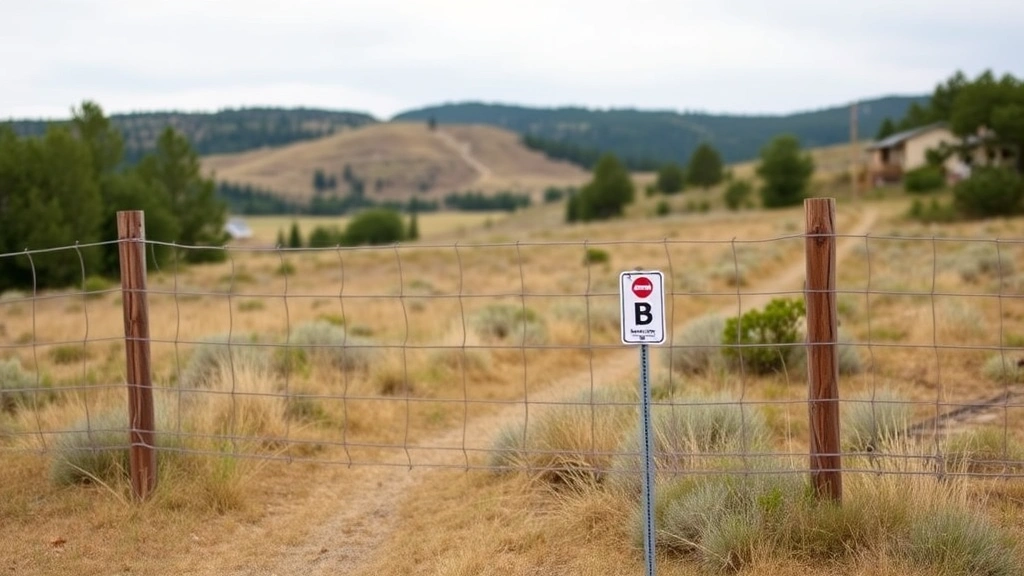
Some jurisdictions recognize “no trespassing” notice requirements, meaning property must be posted with signs or marked with paint to trigger criminal liability. Other states impose no such requirement, instead asking whether a reasonable person would understand they lacked permission. This distinction matters significantly for property owners in rural areas where extensive signage may prove impractical.
State laws also diverge regarding trespassing in vehicles. Some states treat driving onto private property as distinct from walking, imposing separate or enhanced penalties. Others treat vehicle trespassing identically to foot trespassing. A few jurisdictions recognize “trespassing by motor vehicle” as a specific offense with unique elements and penalties.
Understanding applicable state law proves essential for both property owners and those accused of trespassing. What constitutes criminal trespassing in Texas differs substantially from California law, creating confusion when cases involve multi-state issues or parties relocating across state lines.
Intent and Knowledge Requirements
Intent represents a critical element in criminal trespassing prosecutions, though the specific intent required varies across jurisdictions. Most states require that the defendant knowingly or intentionally entered or remained on property without permission. This mental element protects people who inadvertently trespass from criminal liability, while holding accountable those who deliberately ignore property boundaries.
The knowledge requirement typically asks whether the defendant knew they lacked permission or knew the property belonged to another person. Some statutes require actual knowledge, while others accept constructive knowledge—knowledge a reasonable person should possess given the circumstances. A person who ignores “No Trespassing” signs demonstrates constructive knowledge even if they claim not to have noticed them.
Recklessness satisfies the mental element in some jurisdictions. A person who ignores obvious signs of private ownership and enters anyway acts recklessly regarding their right to be there. This reckless disregard for property boundaries can trigger criminal liability even without specific intent to trespass.
Mistake of law or fact can sometimes provide a defense related to intent requirements. A person who genuinely believed they had permission to enter may lack the requisite knowledge for criminal liability. However, courts generally reject “mistake of law” defenses, meaning misunderstanding whether land was public or private typically does not excuse trespassing. Mistakes of fact—such as reasonably believing you stood on your own property—prove more defensible.
The concept of “lawful evil” sometimes arises in trespassing discussions, referring to actions that technically violate property laws yet occur for ethically justifiable reasons. Civil disobedience and protest trespassing exemplify this scenario. A person might knowingly and intentionally trespass to protest injustice, fully understanding their conduct violates law. These cases present courts with difficult questions about balancing property rights against free expression and conscience, though criminal liability typically follows regardless of motivation.
Defenses Against Trespassing Charges
Several legal defenses can defeat trespassing charges or reduce culpability. The most straightforward involves demonstrating permission or legal authority to enter. If a property owner or authorized agent granted permission, no trespassing occurred. This defense requires evidence of explicit permission or circumstances clearly indicating permission existed.
Implied permission sometimes provides a defense when property owners’ conduct suggests they welcome entry. A property owner who leaves gates open, maintains no signage, and allows regular public use may be deemed to have impliedly consented to entry by the accused. Courts examine the totality of circumstances to determine whether a reasonable person would believe entry was permitted.
Public property access constitutes an absolute defense. Entry onto public parks, government buildings, and public roads cannot constitute criminal trespassing. However, public property often includes restricted areas where trespassing charges can apply—secured government facilities, private areas within public buildings, or after-hours access to public parks.
Necessity sometimes provides a defense when someone trespassed to prevent greater harm. A person who trespassed to escape an immediate threat or to obtain emergency aid might successfully argue necessity. However, courts apply this defense narrowly, requiring a genuine imminent danger and no reasonable alternative.
Mistaken identity can defend against trespassing charges if the accused did not actually enter the property. Establishing an alibi or demonstrating someone else committed the trespass proves effective when evidence permits.
Lack of knowledge represents a viable defense in many jurisdictions. If a defendant genuinely did not know they lacked permission and a reasonable person in their position would not have known, criminal liability may not apply. This defense fails when property boundaries are clear, signage is obvious, or the defendant demonstrated reckless disregard for property rights.
Penalties and Consequences
Trespassing penalties vary dramatically based on jurisdiction, property type, and circumstances. Many states classify simple trespassing as a misdemeanor, carrying potential jail time up to one year and fines typically ranging from $100 to $1,000. However, enhanced penalties apply when trespassing involves residential property, multiple offenses, or accompanying crimes.
Felony trespassing charges may apply in aggravated circumstances. Trespassing on critical infrastructure, secure government facilities, or protected areas might constitute felonies. Some states impose felony charges for habitual trespassers with multiple prior convictions. Felony trespassing can result in imprisonment exceeding one year, substantial fines, and permanent criminal records affecting employment and housing prospects.
Beyond formal penalties, trespassing convictions carry collateral consequences. Criminal records can result in employment discrimination, housing denials, and professional license revocation. Some employers conduct background checks that reveal trespassing convictions, making candidates less competitive. Housing providers frequently deny rental applications from applicants with criminal histories. Professional licensing boards may deny licenses or revoke existing credentials based on criminal conduct.
Civil liability accompanies criminal trespassing in many cases. Property owners can sue for damages covering costs incurred due to trespassing, including removal costs, property damage repairs, and diminished property value. These civil judgments create financial obligations independent of criminal penalties.
Restitution orders sometimes accompany criminal convictions, requiring defendants to compensate property owners for damages caused by trespassing. Courts may order payment for repairs, cleanup, or other remediation expenses, creating additional financial consequences beyond fines.

Property Owner Rights and Remedies
Property owners possess multiple remedies when trespassing occurs. The most direct involves requesting trespassers to leave. Property owners can verbally demand trespassers depart, and continued presence after this demand may constitute additional violations in some jurisdictions. This verbal approach costs nothing and resolves many situations without legal intervention.
Written notice reinforces property owner intent to exclude. Formal letters demanding trespassers cease entry and remain off property create documentation supporting future legal action. Some states recognize mailed notice as satisfying statutory notice requirements for certain trespassing statutes.
“No Trespassing” signage provides constructive notice of exclusion in many jurisdictions. Posting visible signs around property boundaries informs potential trespassers that entry is prohibited. The effectiveness of signage varies by state law and property characteristics. Rural properties may require more frequent signage than enclosed residential properties.
Physical barriers like fences, gates, and locks effectively communicate exclusion and prevent casual trespassing. Property owners who maintain these barriers demonstrate clear intent to exclude and strengthen legal positions in trespassing disputes. Removing barriers can imply permission, potentially affecting future trespassing claims.
Civil lawsuits allow property owners to recover monetary damages for trespassing. These suits proceed in civil court under tort law, requiring proof by preponderance of evidence. Successful property owners can recover actual damages, attorney fees in some jurisdictions, and potentially punitive damages in egregious cases.
Restraining orders or injunctions prevent known trespassers from entering property. Courts can issue these orders after finding trespassing occurred or is likely to occur. Violating injunctions creates additional criminal liability and contempt charges, providing enhanced enforcement mechanisms.
Police involvement provides another avenue. Property owners can report trespassing to law enforcement, requesting investigation and prosecution. Police respond to criminal trespassing complaints and can arrest trespassers if sufficient evidence exists. However, police discretion means they may decline prosecution in minor cases, particularly if the trespasser has departed.
FAQ
Does accidentally walking onto someone’s property constitute criminal trespassing?
Accidental entry typically does not constitute criminal trespassing in most jurisdictions because criminal liability requires knowing or intentional entry. However, remaining on property after learning you lack permission might trigger criminal liability. Civil liability could still apply regardless of whether entry was accidental, as property owners can pursue tort remedies for unauthorized entry regardless of the trespasser’s intent.
Can I be arrested for trespassing on abandoned property?
Yes, abandoned property still belongs to someone—typically the original owner or a lienholder. Trespassing on abandoned property constitutes criminal trespassing if the property owner or authorized agent has not granted permission. The abandoned appearance does not eliminate ownership rights or permission requirements. Property owners can still prosecute trespassers on abandoned property they control.
What is the difference between trespassing and breaking and entering?
Breaking and entering typically involves forcibly entering property or structures, implying criminal intent and often accompanying burglary. Trespassing involves unauthorized entry without necessarily forcing entry or intending to commit additional crimes. Breaking and entering usually carries more severe penalties and often includes property damage elements absent from simple trespassing charges.
Can I trespass on public property?
Trespassing on genuinely public property (public parks, public roads, government buildings open to the public) generally does not constitute criminal trespassing. However, restricted areas within public property can trigger trespassing charges. After-hours entry to closed public parks, secure government facilities, or restricted zones within public buildings can constitute trespassing even though the underlying property is public.
How does understanding consumer law relate to property trespassing?
While consumer protection law and trespassing law operate in different domains, both protect individuals’ rights within legal frameworks. Understanding consumer rights helps people recognize when commercial property entry restrictions might violate consumer protection principles. For example, retail establishments cannot arbitrarily trespass customers based on protected class status, as this would violate consumer protection and anti-discrimination laws alongside trespassing law.
Does pursuing legal education help understand property law better?
Absolutely. Those considering legal careers often wonder how much law school costs and how long law school takes. Formal legal education provides comprehensive understanding of property rights, criminal law, and trespassing principles. However, non-lawyers can also develop solid foundational knowledge through studying available resources and consulting with attorneys about specific situations.


