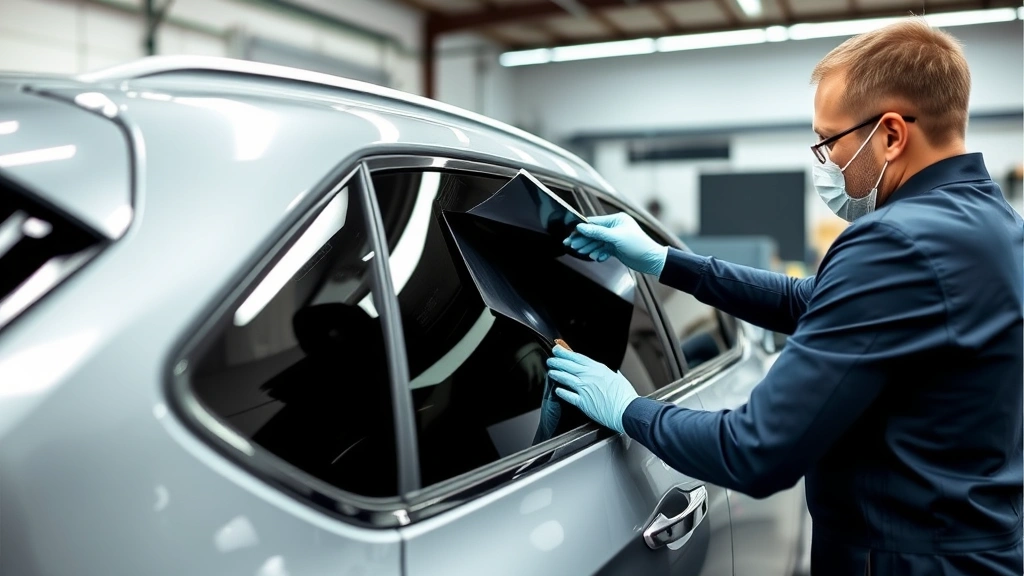
Illinois Tinted Windows Law: Legal Clarity
Window tinting has become increasingly popular among vehicle owners in Illinois, whether for aesthetic purposes, privacy, or heat reduction. However, Illinois maintains strict regulations governing the darkness and reflectivity of window tints to ensure driver safety and law enforcement visibility. Understanding these laws is essential for any vehicle owner in the state, as violations can result in citations, fines, and mandatory tint removal. This comprehensive guide provides legal clarity on Illinois window tinting regulations, including permitted tint levels, exemptions, penalties, and what drivers need to know before tinting their vehicle windows.
The Illinois Vehicle Code establishes specific standards for window tinting that apply to all passenger vehicles operating on public roadways. These regulations are designed to maintain adequate visibility for drivers and allow law enforcement officers to see into vehicles during traffic stops. Unlike some states that permit darker tints, Illinois enforces relatively strict limits that prioritize safety and public security. Violating these tinting laws can result in traffic citations and fines, making it crucial for vehicle owners to understand the precise requirements before applying any tint.
Illinois Window Tint Darkness Standards
Illinois measures window tint darkness using a metric called Visible Light Transmission (VLT), which indicates the percentage of light allowed to pass through the tinted window. The lower the VLT percentage, the darker the tint. Illinois law specifies different VLT requirements depending on which windows are being tinted, reflecting the state’s commitment to balancing driver privacy with safety and law enforcement needs.
The state’s regulations apply to all passenger vehicles, including sedans, SUVs, and crossovers. Commercial vehicles and certain specialized vehicles may have different requirements, but standard passenger vehicles must comply with the established VLT thresholds. Vehicle owners should verify their specific vehicle classification to ensure they meet all applicable requirements. Many drivers are unaware that window tinting regulations can affect insurance claims and vehicle inspections, making compliance particularly important.
Illinois does not permit any aftermarket tinting on the windshield except for a non-reflective tint along the top portion of the windshield. This restriction exists because the windshield is critical for driver visibility, and any significant tinting could impair the driver’s ability to see the road clearly. The top tint strip, if applied, must not extend more than a few inches down from the top of the windshield and must meet specific non-reflectivity standards.
Windshield and Front Side Window Regulations
The windshield is subject to the most stringent regulations in Illinois. As mentioned, drivers cannot apply dark tint to the windshield beyond the manufacturer’s original tint. Only a non-reflective tint band is permitted along the very top of the windshield, typically called the “sun visor area.” This band must be minimal and non-reflective to avoid creating glare that could endanger other drivers.
Front side windows—the windows immediately behind the driver and front passenger—are subject to a 35% VLT minimum requirement in Illinois. This means that at least 35% of visible light must pass through the tint, allowing law enforcement and other drivers to see into the front of the vehicle. This requirement strikes a balance between allowing some level of privacy and heat reduction while maintaining safety and visibility standards that law enforcement depends upon during traffic stops.
The 35% VLT requirement for front windows is relatively strict compared to some neighboring states, reflecting Illinois’s conservative approach to window tinting. Vehicle owners who desire maximum tint should focus their efforts on the rear windows, where regulations are more permissive. Many professional tinting shops in Illinois are familiar with these front window restrictions and can advise customers on compliant tinting options.
It’s important to note that some vehicle manufacturers apply factory tint to front windows that may exceed the 35% VLT standard. In these cases, drivers are generally permitted to keep the factory tint, as it was applied before the vehicle entered Illinois. However, any aftermarket tinting applied afterward must comply with the 35% requirement. Understanding this distinction can help prevent unnecessary citations or conflicts with law enforcement.
Rear Window and Back Side Window Requirements
Illinois permits significantly darker tinting on rear windows and back side windows compared to front windows. The rear window—the large window at the back of the vehicle—and the back side windows (rear passenger windows) must allow at least 35% of visible light to pass through according to Illinois regulations. Some interpretations of the law suggest that rear windows may permit slightly darker tints than front windows, though the specific percentage should be verified with current state regulations or a professional tinting service.
Many vehicle owners choose to maximize tinting on rear windows since the regulations are more permissive and rear windows contribute less to driver forward visibility. Dark rear tinting can provide enhanced privacy for passengers and cargo while reducing interior heat buildup. This practice is generally acceptable in Illinois as long as the tint meets the specified VLT requirements and does not include reflective materials that could create safety hazards.
When applying tint to rear windows, vehicle owners should ensure that the tinting does not impair the driver’s ability to see out the rear window using mirrors. Even though rear window visibility is less critical than front window visibility, completely obscuring the rear view could create safety issues and potentially violate other vehicle safety regulations. Professional installers understand these nuances and can apply tint that meets aesthetic preferences while maintaining compliance with Illinois law.
The reflectivity of window tint is another important consideration. Illinois restricts reflective window tints across all windows to prevent glare that could endanger other drivers. Metallic or mirror-like tints are prohibited, and any tint applied must have minimal reflective properties. This requirement ensures that tinted windows do not create dangerous reflections that could distract or temporarily blind other motorists on the roadway.
Medical Exemptions and Special Permits
Illinois recognizes that certain medical conditions may require individuals to limit their exposure to sunlight while driving. The state provides medical exemptions that allow drivers with qualifying conditions to apply darker window tints than otherwise permitted under standard regulations. These exemptions are designed to accommodate drivers whose health conditions necessitate enhanced UV protection while operating a vehicle.
To qualify for a medical exemption in Illinois, a driver must obtain a letter from a licensed physician documenting a medical condition that requires protection from sunlight. Common qualifying conditions include lupus, porphyria, xeroderma pigmentosum, and other photosensitive disorders. The physician’s letter must be presented to the Illinois Secretary of State’s office, which reviews the medical documentation and issues an exemption permit if the condition qualifies.
Drivers with approved medical exemptions can apply darker tints than the standard regulations permit. However, the specific darkness level allowed under a medical exemption may still be restricted to ensure that law enforcement can conduct vehicle inspections and traffic stops safely. The exemption process provides an important accommodation for drivers with legitimate medical needs while maintaining reasonable safety standards.
It’s essential for drivers seeking medical exemptions to follow the proper application process and maintain documentation of their exemption status. Law enforcement officers may request to see the exemption permit during a traffic stop if they observe unusually dark window tinting. Having proper documentation readily available can prevent unnecessary citations and legal complications. Drivers should contact the Illinois Secretary of State’s office for current procedures and requirements regarding medical exemption applications.
Beyond medical exemptions, Illinois does not provide general permits for darker window tinting. Commercial vehicles, government vehicles, and law enforcement vehicles may have different regulations, but standard passenger vehicle owners must comply with the established VLT requirements unless they have obtained a valid medical exemption. Understanding these limitations is crucial for avoiding violations.
Penalties and Enforcement
Violations of Illinois window tinting laws are typically treated as traffic citations. Law enforcement officers can issue citations to drivers operating vehicles with non-compliant window tinting, and these citations can result in fines and potentially other penalties. The specific penalty amount may vary depending on the severity of the violation and whether it is a first or repeat offense.
Common penalties for window tinting violations in Illinois include monetary fines ranging from $50 to $200 or more, depending on the specific violation and local ordinances. In addition to fines, drivers may be cited for unsafe vehicle conditions or other related violations. Some jurisdictions may impose additional penalties, and repeated violations could result in escalated consequences.
Beyond monetary penalties, a window tinting citation can appear on a driver’s record and may affect insurance rates. Insurance companies consider traffic citations when calculating premiums, and violations related to vehicle modifications or unsafe conditions could potentially increase insurance costs. This financial impact underscores the importance of ensuring compliance with tinting regulations before applying aftermarket tint.
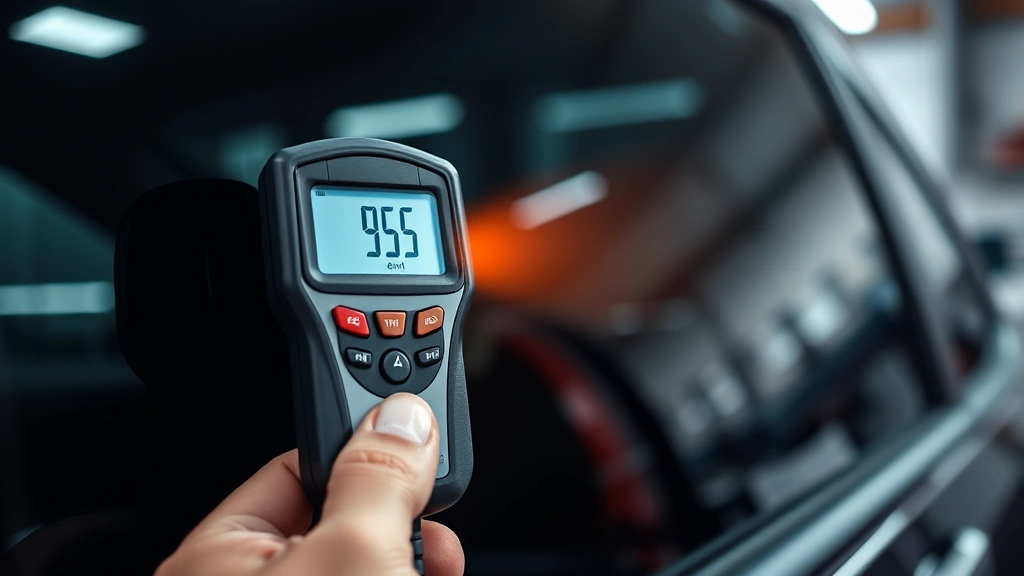
Law enforcement officers have the authority to enforce window tinting regulations during routine traffic stops or vehicle inspections. Officers can use tint meters or visual assessment to determine whether a vehicle’s tinting complies with state standards. If an officer observes non-compliant tinting, they can issue a citation and may require the vehicle owner to remove the tint within a specified timeframe.
Drivers who receive citations for window tinting violations have the right to contest the citation in traffic court. If you believe your vehicle’s tinting is compliant or that the citation was issued in error, you can request a court hearing to present evidence. Understanding your rights regarding traffic citations and the appeal process for court decisions can help protect your interests if you receive a citation you believe is unjust.
Removal and Compliance Process
If a driver receives a citation for non-compliant window tinting, they typically have a specified period to remove the tint and bring the vehicle into compliance. The citation will usually include information about the deadline for compliance. Failure to remove non-compliant tint within the specified timeframe can result in additional citations and escalated penalties.
Professional window tint removal services are available throughout Illinois and can efficiently remove existing tint without damaging the vehicle’s windows. The removal process typically involves carefully peeling away the tinted film and cleaning any residual adhesive. Professional removal is often faster and safer than attempting DIY removal, which could damage the window or leave residue.
After removing non-compliant tint, vehicle owners have several options. They can choose to leave windows untinted, apply compliant tint that meets Illinois VLT requirements, or pursue a medical exemption if they have a qualifying condition. Many drivers opt to apply lighter tint that complies with state regulations, allowing them to maintain some heat reduction and privacy benefits while avoiding legal issues.
When selecting a new tinting service or reapplying tint, vehicle owners should ensure they work with professionals who understand Illinois regulations. Reputable tinting shops can advise customers on compliant options and apply tint that meets all state requirements. This proactive approach prevents future citations and legal complications.
Vehicle owners should also be aware that window tinting regulations may change over time. Staying informed about current regulations through official state resources or professional tinting services helps ensure ongoing compliance. Regularly reviewing your vehicle’s compliance status, especially if you’re considering any modifications, is a responsible approach to vehicle ownership in Illinois.
FAQ
What is the legal tint darkness for Illinois windows?
Illinois requires a minimum of 35% Visible Light Transmission (VLT) for front side windows and rear windows. The windshield cannot have dark aftermarket tint, only a non-reflective strip along the top. Back side windows follow similar requirements to rear windows, though specific percentages should be verified with current state regulations.
Can I get a medical exemption for darker window tint in Illinois?
Yes, Illinois allows medical exemptions for drivers with photosensitive conditions. You must obtain a letter from a licensed physician documenting your condition and submit it to the Illinois Secretary of State’s office. If approved, you can apply darker tint than standard regulations permit, though there may still be restrictions.
What are the penalties for illegal window tint in Illinois?
Penalties typically include fines ranging from $50 to $200 or more, depending on the violation severity and local ordinances. Citations can appear on your driving record and may affect insurance rates. You usually have a specified timeframe to remove non-compliant tint before additional penalties apply.
Can factory-applied tint violate Illinois law?
Factory-applied tint is generally permitted even if it exceeds the VLT requirements for aftermarket tint, as it was applied before the vehicle entered Illinois. However, any aftermarket tinting applied afterward must comply with state regulations.
Where can I find current Illinois window tinting regulations?
Current regulations can be found through the Illinois Secretary of State’s office, the Illinois state government website, or professional window tinting services familiar with state requirements. The Illinois Vehicle Code contains specific tinting standards.
Is there a difference between tint regulations for different vehicle types?
Standard passenger vehicles follow the established VLT requirements. Commercial vehicles and specialized vehicles may have different regulations. It’s important to verify your specific vehicle classification to ensure compliance with all applicable requirements.
Can I contest a window tinting citation?
Yes, you have the right to contest a citation in traffic court. You can request a hearing to present evidence that your vehicle’s tinting is compliant or that the citation was issued in error. Understanding your rights regarding legal processes and procedures can help protect your interests.
How long do I have to remove non-compliant tint after receiving a citation?
The citation will specify the deadline for removing non-compliant tint. This timeframe varies but typically ranges from a few days to a few weeks. It’s important to comply within the specified period to avoid additional citations and escalated penalties.


