
Is Marquette Law School Right for You? Insights into Wisconsin’s Premier Legal Education
Choosing a law school is one of the most significant decisions in your legal career journey. Marquette University Law School, located in Milwaukee, Wisconsin, stands as a respected institution with a strong regional reputation and growing national recognition. Whether you’re a prospective student evaluating law schools or someone considering a career change into the legal profession, understanding what Marquette offers—and whether it aligns with your goals—is essential before making this substantial investment of time and resources.
Marquette Law School has educated thousands of attorneys who practice across the United States and internationally. The school’s Jesuit Catholic heritage emphasizes ethics, social justice, and professional responsibility, values that permeate its curriculum and student culture. This article provides comprehensive insights into the institution’s strengths, academic offerings, career outcomes, and factors to consider when determining if Marquette is the right fit for your legal aspirations.
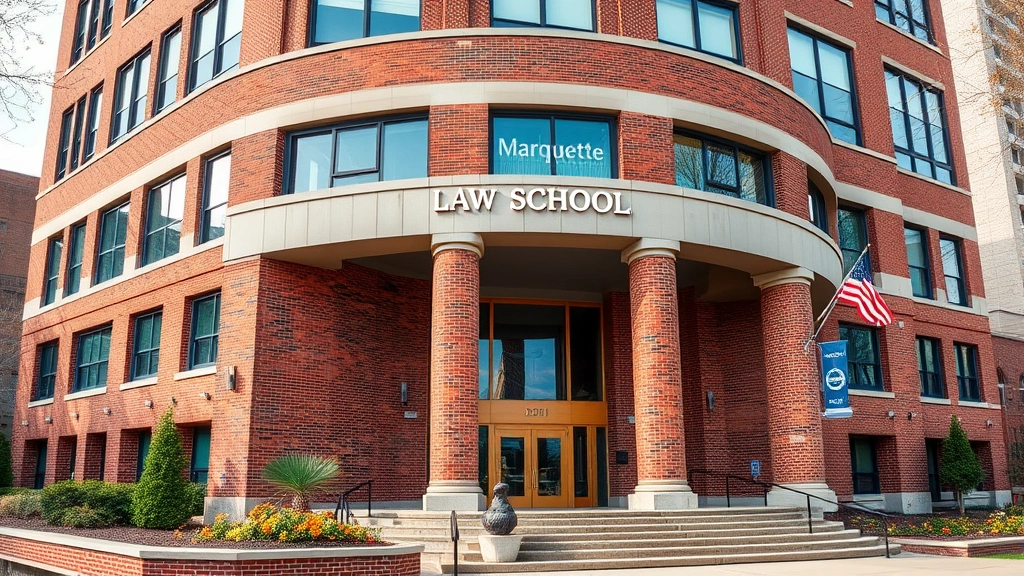
Academic Excellence and Accreditation
Marquette University Law School maintains full accreditation by the American Bar Association (ABA), ensuring that its degrees meet rigorous national standards. This accreditation is non-negotiable for law schools—it allows graduates to sit for bar exams in any jurisdiction and provides assurance that the institution meets comprehensive educational and operational requirements.
The school consistently ranks among the top law schools in the Midwest and maintains a solid position in national law school rankings. While Marquette may not compete with T14 schools (the top fourteen law schools nationally), it offers excellent value and reputation within its region. The institution emphasizes practical legal education, integrating real-world experience into classroom learning through clinics, internships, and simulation courses.
Marquette’s academic environment fosters intellectual rigor while maintaining accessibility. The school uses the Socratic method in many courses but balances this with collaborative learning opportunities. Class sizes allow for meaningful professor-student interaction, particularly as students progress through upper-level electives. This approach helps students develop both substantive legal knowledge and the critical thinking skills essential for legal practice.
The school’s commitment to academic excellence extends to its scholarly resources. Marquette Law Review, the school’s peer-reviewed journal, publishes legal scholarship and provides opportunities for students to contribute to academic discourse. Additionally, the law library provides extensive legal research resources, including access to Westlaw and LexisNexis, industry-standard legal research platforms.

Curriculum and Specializations
Marquette Law School offers a comprehensive first-year curriculum covering foundational courses essential for legal practice: Civil Procedure, Contracts, Criminal Law, Property, Torts, Legal Research and Writing, and Constitutional Law. This core curriculum ensures all graduates possess fundamental legal knowledge regardless of their eventual specialization.
The school’s upper-level curriculum provides extensive flexibility, allowing students to tailor their legal education to specific interests and career goals. Major practice areas where Marquette excels include:
- Business and Corporate Law: Courses in securities regulation, mergers and acquisitions, business transactions, and corporate governance prepare students for transactional practice.
- Intellectual Property: Marquette offers strong IP programming, including patent law, trademark law, and copyright, valuable in today’s knowledge economy.
- Employment and Labor Law: Understanding labor law frameworks and employment relationships is critical for many practitioners.
- Criminal Law and Procedure: Beyond the first-year course, students can pursue advanced criminal procedure, evidence, and specialized criminal practice areas.
- Family Law: The school offers comprehensive family law programming relevant to understanding property division and personal legal matters.
- Administrative and Environmental Law: Courses prepare students for regulatory practice and government work.
- Trial and Appellate Practice: Skills courses develop litigation capabilities essential for courtroom practice.
Marquette’s experiential learning programs deserve special mention. The school operates multiple clinics where students provide legal services under faculty supervision. These clinics cover areas such as domestic violence (connecting to understanding harassment definitions), criminal defense, and civil rights. Additionally, the school’s partnership with local courts and law firms creates internship opportunities that provide practical experience.
The school also emphasizes legal ethics and professional responsibility, integrating these topics throughout the curriculum rather than treating them as isolated subjects. This approach reflects Marquette’s Jesuit mission and prepares students for the ethical dimensions of legal practice.
Faculty and Learning Environment
Marquette’s faculty comprises experienced legal scholars and practitioners who balance academic research with teaching excellence. Many professors maintain connections to the legal community, bringing current practice insights into classroom discussions. The faculty includes leaders in various fields, from tax law to civil rights, ensuring students learn from recognized experts.
The student-to-faculty ratio at Marquette is favorable compared to many law schools, enabling more personalized attention. Professors maintain office hours and demonstrate genuine interest in student development. This accessible faculty approach creates an environment where students can ask questions, seek mentorship, and develop professional relationships that often extend beyond graduation.
The learning environment at Marquette balances competitive rigor with collaborative community. While law school inherently involves competition for grades and class rank, Marquette’s culture emphasizes professional development over cutthroat competition. Students often work together on group projects, share study materials, and support each other’s professional growth.
The school’s facilities have undergone recent renovations, providing modern classrooms, collaborative learning spaces, and technology-enhanced instruction. The law library, recently updated, combines traditional legal research resources with digital tools essential for contemporary legal practice.
Bar Passage Rates and Career Outcomes
Bar passage rates represent a critical metric for law school evaluation. Marquette consistently achieves bar passage rates above the national average, with first-time takers typically passing the Wisconsin bar exam at rates exceeding 85-90%. This strong performance indicates effective preparation and student capability.
Career outcomes data reveals that Marquette graduates secure positions across diverse practice settings. Approximately 90% of graduates report employment within nine months of graduation, with positions including:
- Law firms (from solo practitioners to large national firms)
- Government agencies and public interest organizations
- Corporate in-house counsel positions
- Judicial clerkships
- Academic positions
- Alternative legal careers in compliance, policy, and legal technology
Marquette’s career services office provides robust support, including resume review, interview preparation, networking events, and job search guidance. The office maintains relationships with employers throughout Wisconsin and nationally, creating pathways for student placement.
The school’s alumni network, while smaller than T14 schools, is highly engaged and concentrated in the Midwest. This regional strength means graduates often find robust professional networks and mentorship opportunities in Wisconsin and surrounding states. For students seeking to practice regionally, this network proves invaluable.
Starting salaries for Marquette graduates vary based on practice setting. Those entering BigLaw positions (large national firms) typically earn $215,000+ starting salaries, while government and public interest positions offer lower but meaningful compensation. The median starting salary reflects a healthy job market for Marquette graduates, though outcomes vary individually.
Cost, Financial Aid, and Return on Investment
Law school represents a significant financial investment. Marquette’s tuition and fees total approximately $50,000+ annually, with living expenses adding another $15,000-20,000 per year depending on lifestyle and housing choices. Over three years, the total cost of attendance approaches $200,000-220,000.
The school offers substantial financial aid packages, including merit scholarships, need-based aid, and federal student loans. Many admitted students receive tuition scholarships ranging from 25% to full tuition, particularly high-achieving applicants. Merit aid availability means many students attend for significantly less than sticker price.
Return on investment (ROI) analysis requires comparing total cost against expected earnings and career satisfaction. For students pursuing BigLaw or well-paying corporate positions, the ROI is typically positive within 5-10 years. However, students considering public interest or government work should carefully model finances, as lower salaries may extend payoff periods.
Marquette’s cost is moderate compared to many private law schools but higher than state school alternatives. This positioning requires prospective students to honestly assess their career goals and financial circumstances. A student with significant undergraduate debt should carefully consider total law school debt, while a well-funded student may prioritize school culture and fit over cost.
The school offers income-driven repayment plans and loan forgiveness programs (such as Public Service Loan Forgiveness) for graduates pursuing public interest work, making public interest careers more financially feasible.
Location and Regional Impact
Milwaukee, Wisconsin’s location offers distinct advantages and considerations. The city provides a lower cost of living than major legal markets like New York or Los Angeles, reducing overall law school expenses. Milwaukee’s legal market, while smaller than national legal hubs, is robust and growing, with significant legal work in healthcare, manufacturing, insurance, and energy sectors.
Wisconsin’s legal market is well-served by Marquette graduates, giving the school significant influence. Many Wisconsin judges, legislators, and prominent attorneys are Marquette alumni, creating professional networks and opportunities. However, students intending to practice in other states should recognize that regional reputation diminishes in distant markets.
The city itself offers cultural amenities, recreational opportunities, and reasonable quality of life. For students prioritizing urban experience over mega-city resources, Milwaukee provides a good balance. The city’s legal community is collegial and accessible, with networking opportunities readily available.
Students should consider whether they want to practice in the Midwest. Those with strong intentions to practice in California, New York, Texas, or other major legal markets might find better strategic value in attending law school in those jurisdictions, where local connections and recruitment are stronger.
Student Life and Community
Marquette Law School’s student body comprises approximately 400-500 students across three years, creating an intimate community compared to larger law schools. This size allows meaningful friendships while maintaining sufficient diversity of backgrounds and perspectives.
Student organizations span practice interests and personal identities, including groups focused on specific practice areas, cultural backgrounds, religious beliefs, and social justice causes. These organizations provide networking, professional development, and community engagement opportunities.
The school’s Jesuit Catholic mission shapes campus culture, emphasizing service, ethics, and social responsibility. Students engage in substantial pro bono work, with many participating in clinics serving underserved populations. This service orientation appeals to students motivated by public interest work, though the school welcomes students of all backgrounds and beliefs.
Student events include speaker series, networking receptions, social gatherings, and academic competitions. The school hosts visiting practitioners who share career insights and practice expertise. These events create informal learning opportunities and professional development beyond classroom instruction.
The school’s commitment to diversity continues expanding, with initiatives to recruit and support underrepresented minorities, first-generation students, and non-traditional applicants. These efforts enrich the student experience and prepare all students for practice in diverse communities.
Admission Requirements and Process
Marquette Law School uses the standard law school admission process. Applicants must submit:
- LSAT Score: The Law School Admission Test remains the primary quantitative measure. Median LSAT scores for admitted students typically range from 155-161, though scores above the median strengthen applications.
- Undergraduate GPA: Median undergraduate GPAs range from 3.3-3.7, reflecting academic preparation and capacity for law school work.
- Personal Statement: A compelling personal statement explaining motivation for law study, unique experiences, and career goals strengthens applications.
- Letters of Recommendation: Typically two or three letters from professors or employers provide insight into applicant character and capability.
- Resume: Work experience, leadership roles, and achievements demonstrate professional maturity and accomplishments.
Marquette practices holistic admissions, considering the full application rather than relying solely on numbers. Applicants with lower LSAT or GPA but compelling narratives may gain admission, particularly if they demonstrate relevant experience or overcome significant challenges.
The school considers factors including work experience, military service, overcoming adversity, unique perspectives, and demonstrated commitment to law. Non-traditional applicants—those with significant work experience or career changes—are encouraged to apply and often receive favorable consideration.
Application deadlines typically occur from September through May, with rolling admissions meaning earlier applications receive earlier decisions. Applying early in the cycle improves admission and scholarship chances.
Prospective students should visit campus, attend information sessions, and speak with current students and admissions counselors. This engagement demonstrates genuine interest and helps applicants assess fit.
FAQ
What is Marquette Law School’s bar passage rate?
Marquette consistently achieves bar passage rates above 85% for first-time test takers, which exceeds national averages. This strong performance reflects effective preparation and student capability. The school provides bar preparation support through dedicated bar exam courses and resources.
How does Marquette Law School compare to other Midwest law schools?
Marquette ranks among the top Midwest law schools, competing favorably with schools like University of Wisconsin Law School and University of Minnesota Law School. Each school has distinct strengths—Marquette emphasizes ethics and experiential learning, while others may have different focuses. Prospective students should compare schools based on personal priorities, geographic preferences, and career goals rather than rankings alone.
Can I practice outside Wisconsin with a Marquette law degree?
Yes, absolutely. Marquette’s ABA accreditation means graduates can sit for bar exams in any jurisdiction and practice law nationwide. However, Marquette’s reputation is strongest in the Midwest. Students intending to practice in distant markets should recognize that local connections may be fewer, though the quality education prepares graduates for practice anywhere.
Does Marquette offer part-time or evening law programs?
Marquette offers a part-time evening program designed for working professionals. This three-and-a-half-year program allows students to maintain employment while pursuing legal education, though it requires significant time management and commitment. The curriculum covers all required courses, and graduates earn the same J.D. as full-time students.
What employment outcomes should I expect after graduation?
Approximately 90% of Marquette graduates are employed within nine months of graduation. Employment spans law firms, government agencies, corporations, and public interest organizations. Career outcomes vary individually based on grades, networking, job search effort, and market conditions. The school’s career services office provides substantial support throughout the job search process.
How much financial aid does Marquette typically offer?
Marquette offers merit scholarships to admitted students, with many receiving 25-100% tuition coverage. Scholarship amounts depend on LSAT scores, GPA, and other application factors. The school also provides need-based aid and federal student loan options. Prospective students should request financial aid information from the admissions office to understand specific opportunities.
Is Marquette’s Jesuit mission important to student experience?
Marquette’s Catholic Jesuit heritage shapes institutional values emphasizing ethics, social justice, and service. This mission influences curriculum, student culture, and community engagement. However, students of all backgrounds and beliefs attend and thrive at Marquette. The school welcomes students regardless of religious affiliation, though those aligned with the mission’s values may find particular resonance with the community.
How does Marquette prepare students for practice in specific areas like civil versus criminal law?
Marquette offers extensive coursework in both civil and criminal practice areas. Students can pursue clinics in criminal defense and civil rights, take advanced criminal procedure and evidence courses, or focus on civil litigation and transactional practice. The school’s flexible curriculum allows specialization based on individual interests. Understanding the distinctions between civil and criminal practice helps students choose appropriate coursework and experiences.
Can I participate in clinics addressing specific areas like restraining orders or domestic violence?
Yes, Marquette operates a domestic violence clinic where students represent clients in family law and protective order matters. This clinic provides invaluable experience in family law practice while serving vulnerable populations. Students learn practical skills in client counseling, negotiation, and court advocacy while addressing real legal needs in the community.
What opportunities exist for employment law specialization?
Marquette offers comprehensive employment and labor law programming, including courses in employment discrimination, wrongful termination, workplace harassment, and labor relations. Students can intern with employment law firms, corporate HR departments, and government agencies enforcing employment laws. This strong curriculum prepares students for employment law practice in various settings.


