Michigan Car Seat Laws Explained by Expert
Child safety in vehicles remains one of the most critical concerns for Michigan parents and caregivers. Michigan car seat laws establish mandatory requirements designed to protect children from serious injury or death in motor vehicle accidents. Understanding these regulations is essential for compliance and, more importantly, for safeguarding the youngest passengers on Michigan roads.
Michigan’s car seat laws have evolved significantly over the years, reflecting advances in child safety research and national best practices. These laws specify which types of car seats are required based on a child’s age, weight, and height, and they outline proper installation and usage guidelines. Violating these requirements can result in fines and, more critically, leave children vulnerable to catastrophic injuries.
This comprehensive guide explores Michigan’s car seat regulations in detail, helping parents, guardians, and caregivers understand their legal obligations and the reasoning behind these important safety measures. Whether you’re a new parent navigating car seat selection for the first time or a seasoned caregiver seeking clarification on current requirements, this resource provides the information you need.
Michigan Car Seat Requirements by Age and Weight
Michigan’s car seat laws, codified in Michigan Vehicle Code Section 257.710d, establish specific requirements based on a child’s age and physical characteristics. These regulations align with recommendations from the National Highway Traffic Safety Administration (NHTSA) and the American Academy of Pediatrics (AAP), both organizations that have conducted extensive research on child passenger safety.
Children under the age of 8 years old or those who weigh less than 57 pounds must be secured in an appropriate car seat or booster seat while riding in a motor vehicle. This foundational requirement applies to all passengers in these age and weight categories, with limited exceptions for certain vehicles or circumstances.
The specific type of car seat required depends on the child’s age and weight at the time of travel. Infants typically require rear-facing car seats, which provide superior protection for the head, neck, and spine during frontal collisions—the most common type of crash. As children grow, they progress through forward-facing seats and eventually to booster seats before transitioning to seat belts alone.
Michigan law does not mandate a specific age for transitioning between car seat types; instead, it emphasizes that the transition should occur only when the child outgrows the maximum height and weight limits specified by the car seat manufacturer. Parents should consult their car seat’s manual to determine when a child has exceeded these limits.
For children who have reached age 8 but remain under 57 pounds, or who are taller than the maximum height for their current car seat, Michigan law permits the use of a booster seat to properly position the vehicle’s seat belt across the child’s shoulder and lap. This positioning is critical for proper restraint function during a crash.
Rear-Facing Car Seats: The Safest Option
Rear-facing car seats provide the maximum level of protection for infants and toddlers, a fact supported by decades of crash testing data and real-world accident analysis. When a vehicle experiences a frontal collision, a rear-facing seat cradles the child’s head, neck, and spine, distributing crash forces across the entire back of the seat rather than concentrating them on the child’s fragile neck.
Forward-facing impacts represent approximately 60% of all crashes, making rear-facing protection particularly valuable for the most common accident scenarios. Children riding in rear-facing seats experience significantly lower rates of head, neck, and spinal injuries compared to those in forward-facing seats.
Michigan law requires children to remain in rear-facing seats as long as possible, ideally until they reach the maximum height or weight limit specified by their car seat manufacturer. Many modern car seats accommodate children up to 40 pounds or more in the rear-facing position, allowing extended rear-facing use that provides superior protection during the most vulnerable years of a child’s development.
The American Academy of Pediatrics recommends keeping children rear-facing until at least age 2, though many safety experts suggest extending rear-facing use as long as the car seat manufacturer allows. Parents who follow these recommendations provide their children with the best possible protection during these critical years.
Installing a rear-facing car seat correctly is essential to maximize its protective benefits. The seat must be installed at the proper recline angle, secured tightly to the vehicle, and used with the car seat’s harness system rather than the vehicle’s seat belt. Many parents find it helpful to consult professional resources and certified technicians when selecting and installing car seats.
Forward-Facing Car Seats and Booster Seats
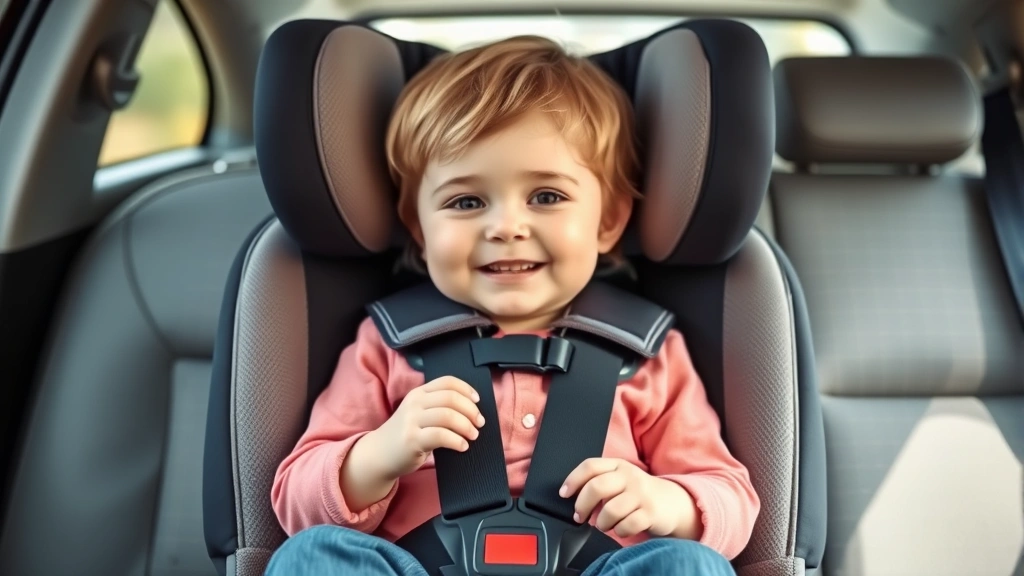
Once a child outgrows their rear-facing seat, forward-facing car seats become the appropriate choice. Michigan law permits forward-facing seats for children who have exceeded the rear-facing seat’s maximum height and weight limits. Forward-facing seats use a five-point harness system to secure the child and provide protection in multiple crash scenarios.
Forward-facing car seats typically accommodate children from approximately 20 to 65 pounds, depending on the specific model and manufacturer specifications. Parents should always consult their car seat’s manual to determine the exact weight and height limits for their particular seat.
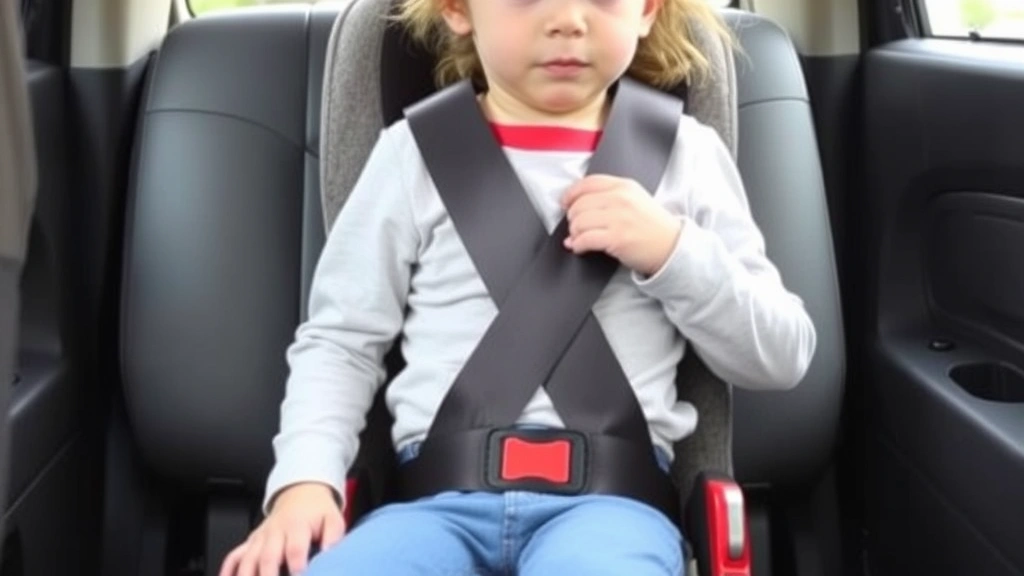
Booster seats serve as a transitional restraint system, designed to elevate a child so that the vehicle’s lap and shoulder belts fit properly across their body. Proper belt positioning is critical; the lap belt should rest low across the hips and thighs, while the shoulder belt should cross the child’s chest and shoulder, not the neck or face.
Michigan law requires booster seats for children who have outgrown forward-facing car seats but who are still under 57 pounds or have not reached the age of 8. High-back booster seats provide additional head and neck support, while backless booster seats offer a more portable option for vehicles with high seat backs.
The transition from booster seat to seat belt alone should occur only when the child can sit properly in the vehicle seat with the lap and shoulder belts positioned correctly, typically around age 10 to 12 years old. Some children may need booster seats longer than others due to their size and physical development.
Understanding legal terminology related to vehicle safety regulations can help parents navigate Michigan’s requirements more effectively and ensure they’re interpreting the law correctly.
Proper Installation and Usage Guidelines
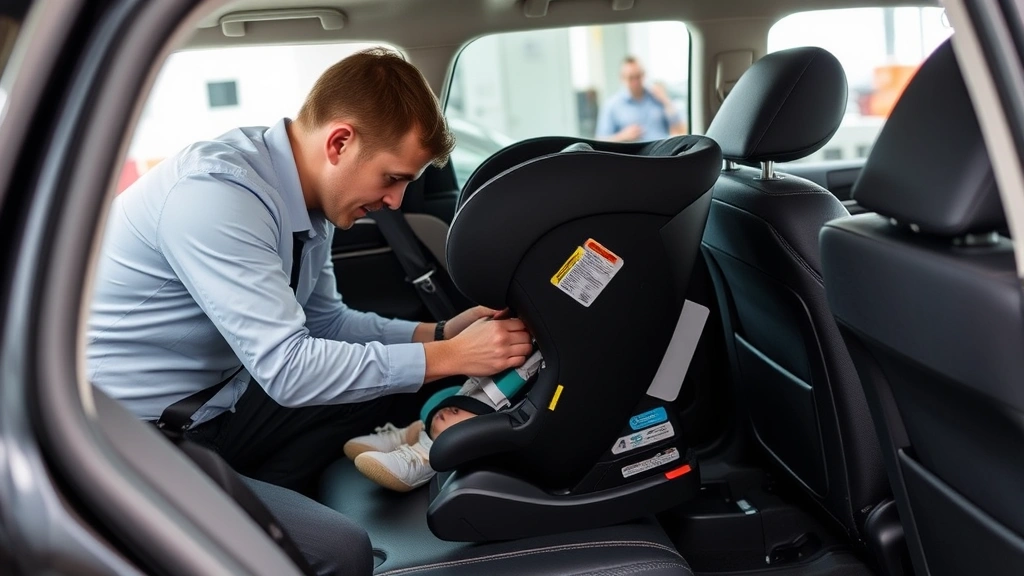
Correct car seat installation is as important as selecting the right type of seat for your child’s age and size. Studies indicate that many car seats are installed improperly, reducing their effectiveness in protecting children during accidents. Michigan parents should take time to understand proper installation techniques or seek assistance from certified child passenger safety technicians.
Car seats can be installed using either the vehicle’s seat belt or the Lower Anchors and Tethers for Children (LATCH) system. The LATCH system, available in most vehicles manufactured after 2002, uses anchors located in the vehicle’s seat and a top tether strap to secure the car seat. Both installation methods can be equally effective when used correctly.
Key installation principles include ensuring the car seat is installed on a firm, flat vehicle seat; tightening the installation so the seat moves less than one inch side-to-side or front-to-back; positioning the car seat’s harness straps at or below the child’s shoulders for rear-facing seats and at or above the shoulders for forward-facing seats; and using the appropriate harness tightness so that you cannot pinch more than one finger’s worth of fabric at the child’s collarbone.
The vehicle’s owner’s manual should be consulted alongside the car seat manufacturer’s instructions, as different vehicles may have specific considerations affecting proper installation. Some vehicle seats have features that make certain car seats incompatible or require special installation procedures.
Parents should ensure that harness straps are not twisted, that the car seat is not installed at an angle that would allow the child to slump, and that any aftermarket products or modifications do not compromise the car seat’s protective function. Using only the car seat’s original harness system is critical; aftermarket harnesses or replacement parts may not provide adequate protection.
Many communities offer free or low-cost car seat inspection services where certified technicians can verify proper installation. Michigan residents should contact their local health department or visit the NHTSA Car Seat Finder to locate inspection resources in their area.
Penalties for Non-Compliance
Michigan enforces its car seat laws through traffic citations and fines. Violating car seat requirements can result in a civil infraction, which carries financial penalties and may affect a driver’s record. The specific fine amount can vary, but violations typically result in penalties ranging from $100 to several hundred dollars, depending on the circumstances and whether it’s a first or repeat offense.
Beyond financial penalties, non-compliance with car seat laws exposes children to serious injury or death in motor vehicle accidents. This legal and safety imperative makes understanding and following Michigan’s car seat requirements essential for all caregivers.
Law enforcement officers have the authority to stop vehicles and issue citations when they observe violations of car seat laws. These violations can be cited independently or in conjunction with other traffic infractions. Repeat violations may result in increased penalties and could potentially affect insurance rates or lead to more serious legal consequences in conjunction with other traffic violations.
Parents who receive citations for car seat violations may have options to address the charges, including contesting the citation or seeking alternative dispute resolution options. Consulting with an attorney experienced in traffic law may be beneficial in these situations.
Exceptions and Special Circumstances
Michigan’s car seat law includes limited exceptions for certain situations. Vehicles manufactured before 1968 may be exempt from some car seat requirements, though safety experts recommend using appropriate restraints in all vehicles regardless of age. Medical conditions that make standard car seats inappropriate may qualify for exceptions, though such exceptions typically require medical documentation.
Certain commercial vehicles used for ridesharing or public transportation may have different requirements. Parents should clarify applicable rules when using taxis, ride-sharing services, or other commercial transportation options.
If a child has a medical condition that makes standard car seat use unsafe or impossible, parents should consult with their pediatrician and potentially seek guidance from the Michigan Department of Transportation regarding possible accommodations or alternatives.
Special needs children may require modified car seats or alternative restraint systems. Parents of children with special medical needs should work with their healthcare providers and car seat manufacturers to identify appropriate solutions that maintain safety while accommodating their child’s specific requirements.
Resources for Michigan Parents
Michigan parents seeking additional information about car seat laws and safety should consult several authoritative resources. The Michigan Department of Transportation provides information about state traffic laws and vehicle safety requirements. The National Highway Traffic Safety Administration offers comprehensive guidance on car seat selection, installation, and usage through its official website.
The NHTSA Parents Central website provides detailed information about car seat safety, including videos demonstrating proper installation techniques. Local health departments often provide free car seat inspection services and can connect parents with certified child passenger safety technicians.
The American Academy of Pediatrics publishes evidence-based recommendations for child passenger safety that align with Michigan law and provide additional guidance beyond minimum legal requirements. Parents interested in exceeding minimum safety standards should review AAP recommendations.
Michigan’s Office of Highway Safety Planning provides resources and information about vehicle safety initiatives, including child passenger safety programs. Many community organizations and hospitals also offer car seat education programs.
For parents seeking legal guidance regarding their rights and responsibilities under Michigan’s car seat laws, consulting with an attorney experienced in family law or traffic matters can provide personalized advice. The personal injury claim process may become relevant if a child is injured in a motor vehicle accident, making it important to understand both preventive measures and remedies available under Michigan law.
Parents should also review their vehicle’s owner’s manual and consult car seat manufacturer instructions regularly, as safety standards and product specifications may be updated. Staying informed about the latest safety research and recommendations helps ensure that children receive the best possible protection.
FAQ
What is the minimum age for a child to sit in the front seat in Michigan?
Michigan law does not specify a minimum age for front seat occupancy, but safety experts recommend keeping children under 12 years old in the back seat whenever possible. The back seat provides better protection in most crash scenarios, and front seat airbags can be dangerous for young children. Many pediatricians and safety organizations recommend rear seat positioning until at least age 12.
Can I use a used car seat in Michigan?
Used car seats can be used in Michigan if they meet current safety standards and have not been involved in a crash. However, used seats should come with all original parts and instructions. Car seats involved in accidents may have structural damage that compromises their protective function, even if damage is not visible. If a used car seat’s history is unknown, it’s safer to purchase a new seat.
Are there exceptions to Michigan’s car seat law for rideshare services?
Rideshare services like Uber and Lyft typically do not provide car seats for passengers. Parents using these services are responsible for ensuring their children are properly restrained. Some rideshare services offer car seat options for an additional fee in certain markets. Parents should verify car seat availability and proper installation before using rideshare services with young children.
What should I do if my car seat was damaged in an accident?
Car seats involved in moderate to severe accidents should be replaced, as structural damage may not be visible but can compromise the seat’s protective function. Even minor accidents may cause internal damage that reduces effectiveness. Contact your car seat manufacturer for guidance on whether your specific seat can be repaired or must be replaced.
How do I know if my car seat is properly installed?
A properly installed car seat should move less than one inch side-to-side or front-to-back when you try to move it at the base. The harness should be snug enough that you cannot pinch more than one finger’s width of fabric at the child’s collarbone. Free inspection services are available through local health departments and certified technicians who can verify proper installation.
Can I use my car seat in an airplane?
Car seats approved for both motor vehicle and aircraft use can be used on airplanes. Check your car seat’s label to confirm FAA approval. Some car seats are approved for motor vehicles only and cannot be used in aircraft. Airlines have specific requirements for car seat installation on planes, so contact your airline before traveling.
What happens if I’m cited for a car seat violation?
Car seat violations in Michigan are civil infractions that typically result in fines. You may have options to contest the citation or seek alternative resolution. Consulting with an attorney experienced in traffic law can help you understand your options. Understanding your legal rights as a consumer also applies to understanding your rights in traffic matters.
Are there any medical exceptions to Michigan’s car seat law?
Medical exceptions may be available for children with conditions that make standard car seat use unsafe or impossible. Such exceptions typically require medical documentation and may involve using specialized equipment approved by the child’s healthcare provider. Parents with children having special medical needs should consult their pediatrician and the Michigan Department of Motor Vehicles regarding possible accommodations.


