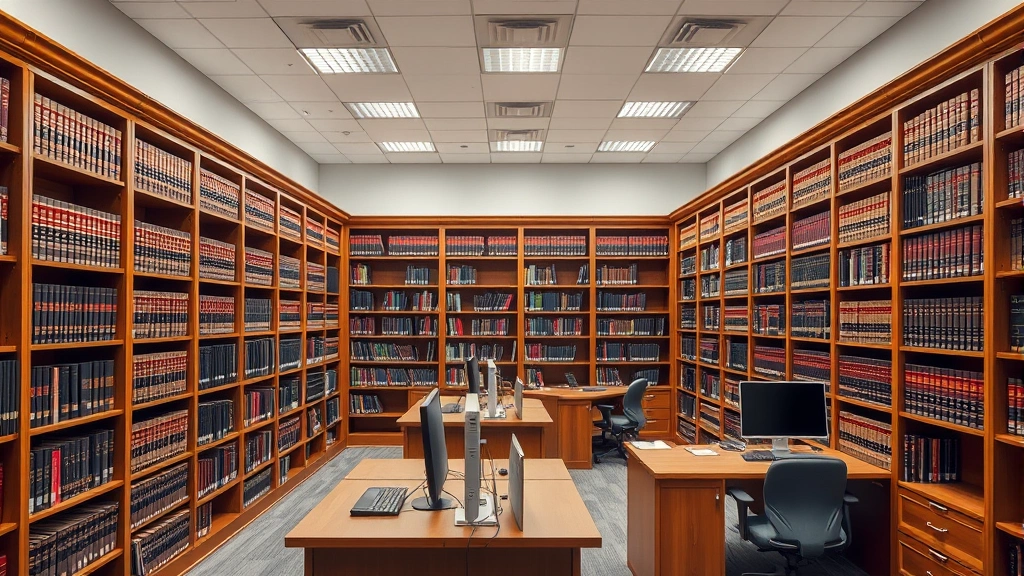
Michigan’s law library system is an invaluable resource for legal professionals, students, and individuals seeking to understand their rights and obligations. Whether you’re a practicing attorney, law student, or self-represented litigant, accessing Michigan law libraries provides comprehensive legal research materials, statutes, case law, and secondary sources essential for informed legal decision-making. This expert guide walks you through the various ways to access Michigan law libraries, the resources available, and how to maximize your research capabilities.
The Michigan law library network consists of multiple locations throughout the state, including courthouse libraries, university law libraries, and public library systems. Each facility offers different levels of access and specialized collections tailored to specific legal practice areas. Understanding where to go and what resources are available will streamline your legal research and help you find the information you need efficiently.
Understanding Michigan’s Law Library System
Michigan’s law library infrastructure is maintained through a combination of state funding, county resources, and institutional support from universities and bar associations. The Michigan Supreme Court oversees the development and coordination of law library services throughout the state, ensuring that legal professionals and the public have access to essential legal materials. The system was designed to democratize legal information and support the administration of justice across all Michigan counties.
The primary mission of Michigan law libraries is to provide comprehensive legal research materials to attorneys, judges, law students, and the general public. This includes state and federal statutes, case law, administrative regulations, legal treatises, and practice guides. Many libraries also offer reference services and research assistance to help patrons navigate complex legal questions and find relevant materials quickly.
When considering hiring a family law attorney for free consultation, understanding how to access legal research resources can help you prepare better questions and understand preliminary legal concepts. Similarly, if you need a labor law attorney near me, knowing where to access labor law materials independently can enhance your collaboration with legal professionals.
Physical Law Library Locations in Michigan
Michigan maintains several primary law library locations that serve as hubs for legal research. The largest and most comprehensive collection is housed in the Michigan Law Library, located at the Michigan Supreme Court building in Lansing. This facility provides extensive resources for state and federal legal research and is open to the public during business hours.
County Courthouse Libraries: Nearly every Michigan county maintains a law library within its courthouse. These county law libraries are typically staffed by experienced law librarians and contain collections focused on state law, local ordinances, and materials relevant to common legal proceedings in that jurisdiction. County courthouse libraries are generally open to the public, though hours may vary by location.
University Law Libraries: Michigan is home to several accredited law schools, including the University of Michigan Law School, Wayne State University Law School, and Michigan State University College of Law. These university libraries maintain extensive collections and typically offer access to the public, though some materials may be restricted to students and faculty. University law libraries often have specialized databases and research tools not available elsewhere.
Public Library System Access: Many Michigan public libraries participate in a resource-sharing network that provides limited access to legal materials and reference services. While public libraries may not maintain extensive legal collections, they often can assist patrons in locating legal resources or directing them to appropriate law libraries.
Online Access to Michigan Legal Resources
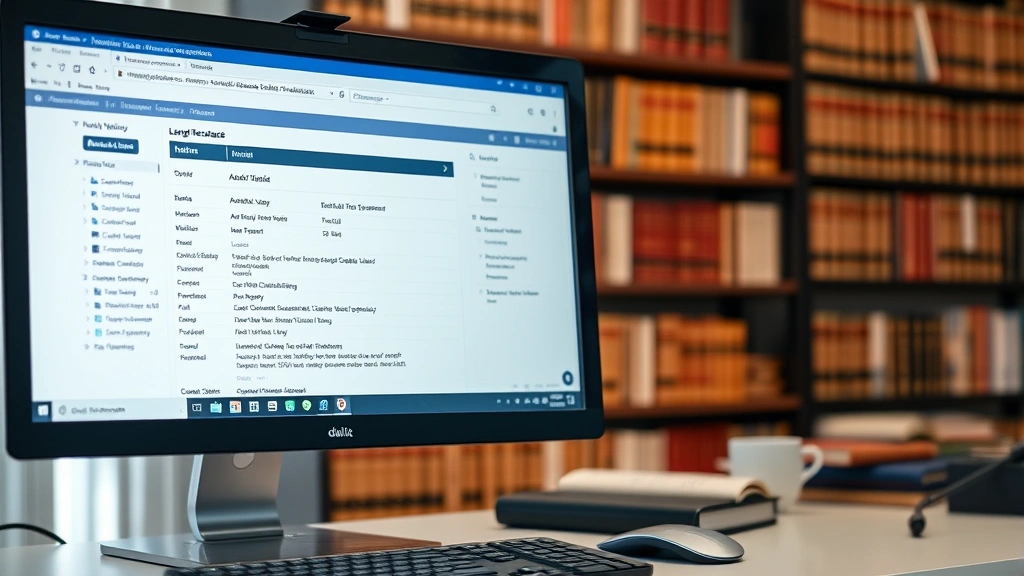
Digital access to Michigan legal materials has expanded significantly, making legal research more convenient and accessible. The State of Michigan provides free online access to several essential legal databases and resources.
Michigan Legislature Online: The official Michigan Legislature website offers free access to current Michigan statutes, legislative history, administrative rules, and proposed legislation. This resource is essential for anyone researching state law and is updated regularly to reflect recent changes.
Michigan Court Rules and Forms: The Michigan Supreme Court maintains an online repository of court rules and approved legal forms. These resources are freely available and provide guidance on procedural requirements for various types of legal proceedings.
Free Legal Database Access: Several free legal databases provide access to Michigan case law, statutes, and secondary sources. Google Scholar offers free access to Michigan appellate court decisions and federal cases. Additionally, Justia provides free Michigan case law and statute databases.
For those researching commercial law matters, online databases provide quick access to Michigan’s Uniform Commercial Code, business regulations, and relevant case law. Understanding how to navigate these online resources can supplement work with legal professionals and help you understand relevant legal frameworks.
Research Tools and Databases Available
LexisNexis and Westlaw: These premium legal research platforms are available through Michigan law libraries and many university institutions. They provide comprehensive access to Michigan and federal case law, statutes, regulations, and secondary sources. Law library patrons may access these databases on library computers or through remote access if they have proper credentials.
Michigan Compiled Laws (MCL): The official compilation of Michigan statutes is available online through the Michigan Legislature website. The MCL contains all codified Michigan laws and is organized by subject matter, making it relatively easy to locate relevant statutes.
Michigan Court of Appeals and Supreme Court Opinions: Current Michigan appellate decisions are available through the Michigan Courts official website. These opinions are freely available to the public and searchable by case name, date, and subject matter.
Michigan Administrative Code: Administrative rules and regulations promulgated by state agencies are compiled in the Michigan Administrative Code. This resource is essential for understanding regulatory requirements in specialized areas such as environmental law, occupational safety, and professional licensing.
When preparing for matters involving understanding the legal rights of consumers, Michigan law libraries provide access to consumer protection statutes, regulations, and relevant case law that define consumer rights and remedies.
Special Collections and Specialized Libraries
Beyond general law libraries, Michigan hosts several specialized legal collections focused on particular practice areas and legal interests.
Environmental Law Collections: Several Michigan law libraries maintain specialized environmental law collections, particularly those near universities with environmental law programs. These collections include materials on Michigan’s environmental regulations, water law, and natural resource management.
Intellectual Property Resources: Libraries in metropolitan areas often maintain collections focused on intellectual property law, including patent, trademark, and copyright materials. These specialized collections support attorneys and inventors working in technology and creative industries.
Native American Law Collections: Given Michigan’s significant Native American population and tribal sovereignty issues, some libraries maintain specialized collections on tribal law, Indian law, and federal-tribal relations.
Labor and Employment Law Materials: Libraries serving industrial or heavily unionized areas often maintain comprehensive collections on labor law, employment regulations, and workers’ compensation materials. If you’re seeking a labor law attorney near me, understanding these resources helps you research employment issues independently.
How to Conduct Effective Legal Research
Start with Secondary Sources: When beginning legal research, secondary sources like legal treatises, practice guides, and legal encyclopedias provide valuable overviews of legal topics. These materials help you understand the legal landscape before diving into statutes and case law.
Locate Relevant Statutes: Michigan statutes are organized by subject matter in the Michigan Compiled Laws. Identify the relevant statute or statutes governing your legal question, then read the statute carefully and review any annotations that direct you to related cases and materials.
Research Case Law: Case law provides practical application of statutes and establishes legal precedents. Use case law databases to locate Michigan appellate decisions addressing your legal issue. Courts generally follow precedent, so understanding relevant case law is essential for predicting how courts will likely decide similar matters.
Consult Legal Periodicals: Law review articles and legal journals provide scholarly analysis of legal topics and often cite extensive primary sources. Michigan law libraries maintain subscriptions to major legal periodicals that can provide deeper insights into complex legal issues.
Use Finding Tools and Indexes: Law libraries maintain various finding tools, including subject indexes, table of cases, and legal digests. These tools help you locate materials on specific legal topics efficiently. Law librarians can teach you how to use these finding tools effectively.
Membership and Access Requirements
Most Michigan law libraries offer free or low-cost access to the public. However, access policies vary by location, and some resources may be restricted to certain user categories.
Public Access: County courthouse law libraries are generally open to the public free of charge during business hours. University law libraries may offer public access to the library building and materials, though remote access to premium databases may be restricted to students and faculty.
Attorney Access: Licensed Michigan attorneys typically enjoy enhanced access to law library resources, including remote access to premium databases through bar association memberships. Many libraries offer special services and research assistance to attorneys.
Student Access: Law students have access to university law libraries and can often use county courthouse libraries as well. Some libraries offer special student membership options.
Researcher Access: Individuals engaged in serious legal research, including law students, legal researchers, and self-represented litigants, are generally granted access to law library materials and reference services.
If you’re involved in matters requiring specialized legal expertise, such as how to file a defamation lawsuit, law libraries provide essential research materials to understand procedural requirements and substantive law governing defamation claims. Accessing these resources can help you work more effectively with legal counsel or understand your legal options.
For business-related legal matters, understanding the Better Business Bureau complaint process and related consumer protection law requires access to regulatory materials and case law that Michigan law libraries provide. Additionally, researching commercial law principles and business regulations is supported by comprehensive commercial law collections available through Michigan’s law library system.
FAQ
What are the hours of operation for Michigan law libraries?
Hours vary by location. County courthouse law libraries typically operate during regular business hours, Monday through Friday. University law libraries may have extended hours, including weekend access. The Michigan Law Library in Lansing maintains standard business hours. Contact your local law library directly for specific hours and holiday schedules.
Can I access Michigan law library resources remotely?
Yes, many Michigan law libraries offer remote access to online databases for registered patrons. University law libraries typically provide remote access through institutional credentials. County courthouse libraries may offer limited remote access. Contact your local library to inquire about remote access options.
Do I need a law degree to use Michigan law libraries?
No. Michigan law libraries are open to the public. You do not need a law degree or professional credentials to access public law libraries. Self-represented litigants and individuals conducting legal research are welcome to use available resources.
What is the best way to locate Michigan case law?
The Michigan Courts website provides free access to recent appellate decisions. For older cases or comprehensive case research, use Google Scholar, Justia, or premium databases like LexisNexis and Westlaw available through law libraries. Law librarians can assist you in locating specific cases or cases on particular legal topics.
Are law librarians available to help with research?
Yes. Law librarians are professional researchers trained to assist patrons in locating legal materials and conducting legal research. Most Michigan law libraries offer reference services. However, law librarians cannot provide legal advice or represent you in legal matters. They can help you find information but cannot interpret laws or advise you on your specific legal situation.
What should I bring to access a Michigan law library?
Most public law libraries do not require advance registration, but it’s helpful to bring a form of identification. Some libraries may require registration for computer or database access. Contact your local law library ahead of time to confirm what documentation or registration may be required.
Can I photocopy materials in Michigan law libraries?
Most Michigan law libraries provide photocopying services for a small fee. Some materials, particularly rare or fragile items, may not be available for photocopying. Ask library staff about copying policies and fees at your location.


