Michigan Tint Laws Explained by Lawyer
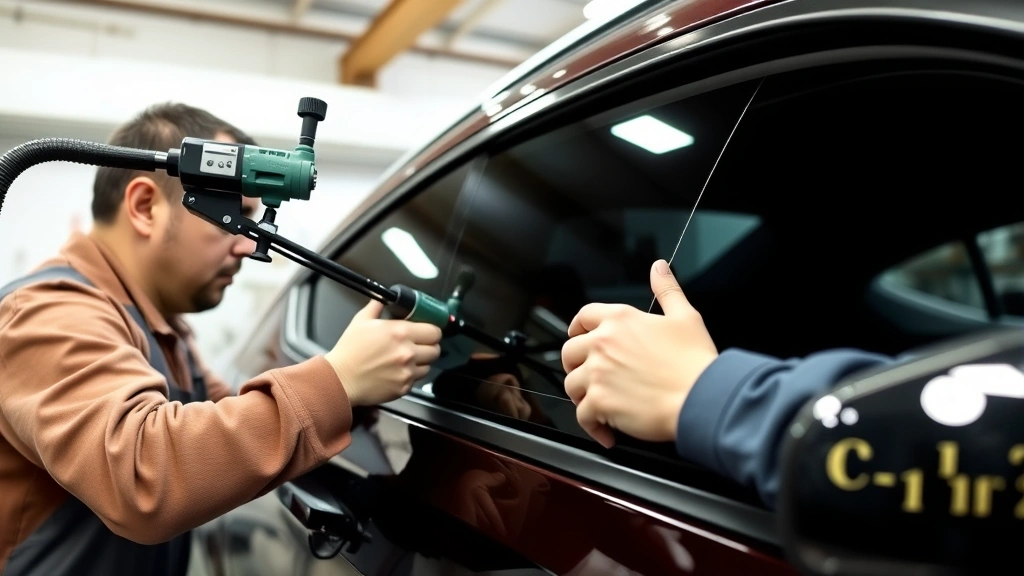
Window tinting has become increasingly popular among Michigan vehicle owners seeking enhanced privacy, UV protection, and aesthetic appeal. However, Michigan maintains strict regulations governing the darkness and reflectivity of window tint to ensure driver visibility and public safety. Understanding these laws is essential for any vehicle owner in the state, as violations can result in fines, vehicle citations, and mandatory tint removal. This comprehensive guide breaks down Michigan’s tint laws, the specific requirements for different windows, penalties for non-compliance, and what you need to know before tinting your vehicle.
Michigan’s window tint regulations fall under the state’s vehicle code and are enforced by law enforcement agencies across the state. The regulations specify allowable levels of light transmittance (VLT) for different windows, with stricter requirements for windshields and front side windows compared to rear windows. These laws exist to balance driver safety, visibility, and individual vehicle customization preferences. Whether you’re considering tinting your vehicle or already have tinted windows, understanding the legal requirements helps you avoid costly violations and ensures compliance with state law.
Michigan Window Tint Percentage Requirements
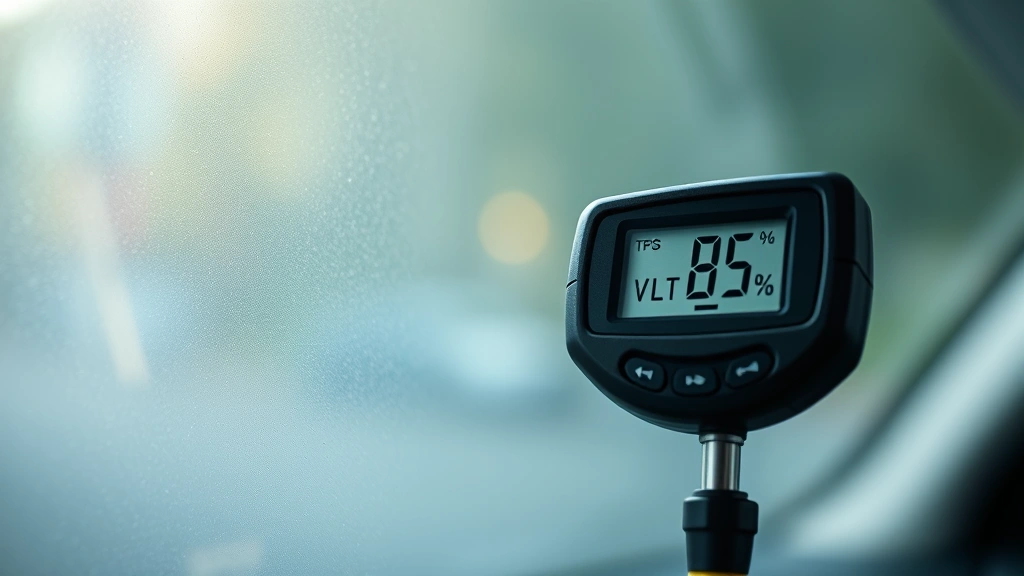
Michigan’s window tint laws are measured by Visible Light Transmittance (VLT), which indicates the percentage of light allowed to pass through the tinted window. Higher VLT percentages mean lighter tint (more light passes through), while lower percentages indicate darker tint (less light passes through). Michigan law specifies different VLT requirements based on window location, recognizing that front windows require greater transparency for driver visibility while rear windows allow more flexibility.
The state follows a tiered approach to tint regulations, with the strictest requirements applying to the windshield and front side windows, which are critical for driver visibility and safety. Understanding these percentages is crucial before visiting a tinting shop, as installers should refuse to apply tint that violates Michigan law. Many reputable tinting professionals are familiar with state regulations and will guide customers toward compliant options. If you’re unsure about specific requirements, consulting with how to choose a lawyer specializing in traffic law can provide personalized guidance.
It’s important to note that tint darkness is subjective to the human eye, which is why scientific measurement through VLT percentages exists. A tint that appears acceptably light to one person might actually violate state law. Professional tinting shops use light meters to ensure compliance, and law enforcement officers also use these devices during traffic stops to verify tint legality.
Windshield Tinting Rules
Michigan prohibits tinting of the windshield except for a non-reflective tint on the top four inches of the windshield. This restriction exists because the windshield is the driver’s primary viewing area for the road ahead, and any significant tinting could impair visibility and create safety hazards. The top four-inch allowance provides some sun protection while maintaining the transparency necessary for safe vehicle operation.
The non-reflective requirement means the tint cannot be shiny or mirror-like; it must appear flat and non-reflective to avoid creating glare for other drivers. Many drivers use windshield sun shades instead of permanent tint to comply with this restriction while still reducing interior heat and UV exposure. These removable shades can be taken down when driving, eliminating any visibility concerns.
Violations of windshield tint regulations can result in citations, and officers may order immediate removal of non-compliant tint. Some drivers attempt to apply aftermarket window films to windshields, but this practice violates Michigan law regardless of the darkness level, except for the permitted top four-inch strip.
Front Side Window Regulations
Front side windows in Michigan must allow at least 50% of light to pass through, meaning the VLT cannot be darker than 50%. This requirement ensures that law enforcement officers and other motorists can see the driver and any passengers in the front seats. This visibility is critical for safety during traffic stops, emergency situations, and general road safety.
The 50% VLT requirement for front side windows represents a moderate level of tinting that provides some privacy and sun protection while maintaining adequate visibility. Many drivers find this level of tinting acceptable for their needs, offering a balance between aesthetics and legal compliance. Professional tinting shops can apply tint that precisely meets this specification.
Exceeding the 50% VLT limit on front side windows is a common violation in Michigan. Drivers should ensure their tint installation meets this requirement before leaving the shop. If you receive a citation for overly dark front window tint, understanding your options for alternative dispute resolution may help address the violation appropriately.
Rear Window and Back Side Window Rules
Michigan’s regulations are more lenient for rear windows and back side windows. These windows may be tinted to any darkness level, including complete blackout tint, without violating state law. This allowance recognizes that rear window tinting doesn’t impair the driver’s primary field of vision and provides passengers with enhanced privacy and UV protection.
The distinction between front and rear window regulations reflects safety priorities. While rear window visibility is important for backing up and checking blind spots, it’s not as critical as front windshield visibility for forward driving. Additionally, rear passengers have different privacy expectations than drivers, making darker tint acceptable for these windows.
Many Michigan drivers take advantage of this allowance and apply darker tint to rear and back side windows. This creates a distinctive appearance and provides significant heat reduction and UV protection for rear passengers and cargo. However, drivers should still maintain some visibility through rear windows for safety purposes, even though the law doesn’t require it.
Reflective Tint Restrictions
Michigan law restricts reflective or mirrored tint on all windows. Regardless of the VLT percentage, tint cannot be excessively reflective or create a mirror-like appearance. This restriction prevents glare that could impair other drivers’ vision and maintains a professional appearance for vehicles on public roads.
Reflective tint was historically used by some drivers for aesthetic purposes, but modern regulations across most states, including Michigan, prohibit this practice. The reflectivity restriction applies equally to front and rear windows, so drivers cannot use reflective tint as a workaround to darker tinting restrictions on front windows.
When selecting tint at a professional shop, ensure the product meets non-reflective specifications. Quality tinting films are designed to provide color and darkness without excessive reflectivity, and reputable installers will only use compliant products.
Medical Exemptions and Special Permits
Michigan recognizes medical exemptions for window tinting in specific circumstances. Individuals with documented medical conditions that require protection from sunlight or UV radiation may be eligible for exemptions from standard tint regulations. Common medical conditions qualifying for exemptions include severe photosensitivity, lupus, and certain dermatological conditions.
To obtain a medical exemption, vehicle owners must provide documentation from a licensed physician supporting the medical necessity for darker window tint. The exemption process typically involves submitting medical records to the Michigan Secretary of State or relevant licensing authority. Once approved, drivers receive a special permit or notation on their vehicle registration indicating medical exemption status.
Even with medical exemptions, certain restrictions typically remain. For example, front windshield tinting beyond the four-inch top strip is usually not permitted regardless of medical exemptions, as driver visibility is a paramount safety concern. However, front and rear side windows may be tinted more darkly under approved medical exemptions.
If you believe you qualify for a medical exemption, consulting with a healthcare provider and understanding the application process is essential. The legal system’s approach to individual circumstances requires proper documentation and official approval before operating a vehicle with non-compliant tint.
Penalties and Enforcement
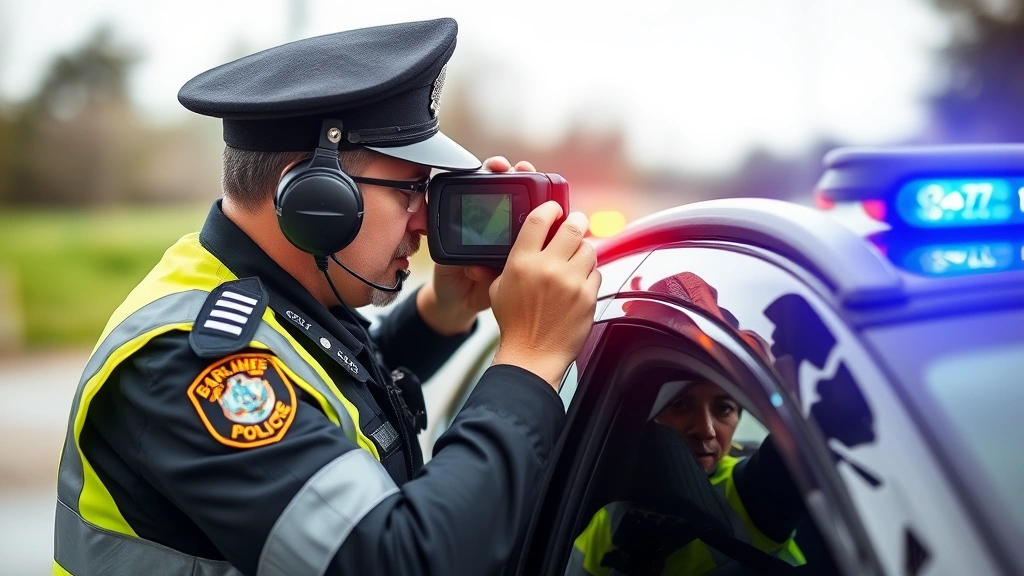
Michigan enforces tint regulations through traffic citations and vehicle inspections. Drivers with non-compliant window tint may receive citations from law enforcement officers, typically classified as moving violations. The citation process usually begins with a traffic stop, where an officer may use a light meter to measure VLT and determine compliance.
Penalties for tint violations in Michigan typically include fines ranging from $100 to $500, depending on the severity of the violation and whether it’s a first or repeat offense. Additionally, officers may issue citations for other related violations if non-compliant tint obstructs the driver’s view. Some departments may order immediate removal of non-compliant tint as a condition of citation resolution.
Repeat offenses or particularly egregious violations may result in higher fines or vehicle inspection requirements. Some jurisdictions have implemented vehicle inspection programs that specifically check window tint compliance, and vehicles with non-compliant tint may fail inspection until the tint is corrected.
If you receive a tint citation, you have options for response. You may contest the citation in traffic court, request a hearing to challenge the officer’s measurement, or negotiate with the prosecutor for reduced penalties in exchange for tint removal. Understanding your rights in traffic court and the processes for resolving legal matters can help you navigate this situation effectively.
How to Stay Compliant
The most effective way to stay compliant with Michigan tint laws is to have window tint applied by a professional installer who understands state regulations. Reputable tinting shops maintain knowledge of current Michigan law and will recommend tint products that meet legal requirements. Before visiting a shop, research their reputation and confirm they apply legal tint levels.
When discussing your tinting project with a professional installer, clearly communicate which windows you want tinted and ask specific questions about VLT compliance. A knowledgeable installer will provide written documentation of the tint specifications and VLT percentages applied to your vehicle. This documentation can be valuable if you’re ever stopped by law enforcement, as it demonstrates your good faith effort to comply with the law.
If you already have tinted windows and are uncertain about compliance, you can request that a professional measure your windows using a light meter. This measurement will tell you definitively whether your tint meets Michigan standards. If it doesn’t, you can have the tint removed or replaced with compliant tint.
Regular vehicle maintenance and awareness of your tint specifications help ensure ongoing compliance. If you move to Michigan from another state with different tint regulations, be aware that your vehicle’s existing tint may not comply with Michigan law. Plan for tint removal or replacement accordingly.
Understanding Michigan’s tint regulations and the reasoning behind them demonstrates respect for public safety while allowing for reasonable vehicle customization. By following these guidelines and consulting with professionals when needed, Michigan drivers can enjoy the benefits of window tinting without legal complications or safety concerns.
FAQ
What is the legal tint percentage for Michigan front windows?
Michigan requires front side windows to allow at least 50% of light to pass through (50% VLT). This means your tint cannot be darker than 50% VLT on front windows. Rear windows and back side windows can be any darkness level.
Can I tint my windshield in Michigan?
Michigan allows only non-reflective tint on the top four inches of the windshield. The rest of the windshield must remain untinted to ensure driver visibility. Tinting the lower portion of the windshield violates Michigan law.
What are the penalties for illegal window tint in Michigan?
Penalties for non-compliant window tint typically include fines ranging from $100 to $500. Officers may also order immediate removal of non-compliant tint. Repeat violations may result in higher fines or additional penalties.
How can I get a medical exemption for darker window tint in Michigan?
To obtain a medical exemption, you need documentation from a licensed physician supporting medical necessity for darker tint. Submit this documentation to the Michigan Secretary of State or appropriate licensing authority to apply for an exemption permit.
How do police measure window tint compliance?
Law enforcement uses light meters that measure Visible Light Transmittance (VLT) to determine whether window tint complies with Michigan law. These devices provide precise measurements that can be used as evidence in traffic court if you contest a citation.
Can I have my tint measured before installation?
Yes, professional tinting shops can measure tint specifications before installation to ensure compliance. Many reputable installers provide written documentation of the VLT percentages for each window after installation.
What should I do if I receive a tint citation?
You can contest the citation in traffic court, request a hearing to challenge the measurement, or remove the non-compliant tint and negotiate reduced penalties. Consulting with a traffic law attorney can help you understand your options and rights in this situation.
Are there any tint colors prohibited in Michigan?
Michigan law focuses on darkness levels (VLT) and reflectivity rather than specific colors. However, reflective or mirrored tint of any color is prohibited. The tint color itself isn’t restricted as long as it meets VLT and non-reflective requirements.
Can I remove tint myself if I receive a citation?
Yes, you can remove tint yourself to resolve a citation, though professional removal ensures no window damage. If you choose self-removal, document the process and keep evidence of removal to present to the court if needed.
Do medical exemptions allow unlimited tint darkness?
Medical exemptions typically allow darker tint than standard regulations permit, but may still have limitations. The windshield four-inch restriction usually applies regardless of medical exemptions. Consult with the Secretary of State regarding specific exemption limitations.


