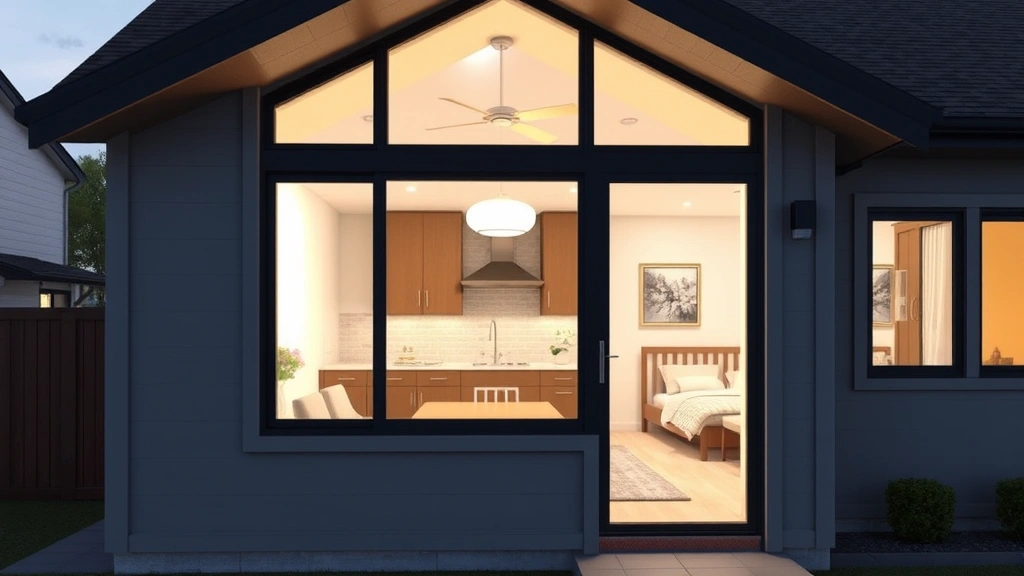
What Is a Mother-in-Law Suite? Legal Insight
A mother-in-law suite, also known as an accessory dwelling unit (ADU), granny flat, or in-law suite, is a self-contained residential unit located on the same property as a primary residence. This separate living space typically includes its own kitchen, bedroom, bathroom, and living area, allowing extended family members—particularly aging parents or in-laws—to live independently while remaining close to their adult children. The arrangement has become increasingly popular as families seek affordable housing solutions and ways to provide care for elderly relatives without sacrificing privacy or independence.
From a legal perspective, mother-in-law suites exist in a complex regulatory landscape that varies significantly by jurisdiction. Understanding the legal implications of adding or residing in such a unit is essential for homeowners and family members alike. Property rights, zoning restrictions, building codes, tax implications, and rental regulations all intersect when dealing with these living arrangements. This comprehensive guide explores the legal dimensions of mother-in-law suites, helping you navigate potential challenges and make informed decisions about this increasingly common housing arrangement.

Legal Definition and Classification
The legal definition of a mother-in-law suite depends largely on local jurisdictions and how they classify residential units. Most municipalities categorize these spaces as accessory dwelling units (ADUs), which are secondary residential units on a single-family residential lot. According to the American Planning Association, ADUs are defined as dwelling units with kitchen, sleeping, and sanitation facilities that are subordinate to the primary residence on the property.
The classification matters significantly because it determines which regulations apply to your property. Some jurisdictions distinguish between attached ADUs (units connected to the primary residence) and detached ADUs (separate structures on the same lot). Others may use terms like “secondary dwelling units,” “supplementary dwelling units,” or “caretaker units.” Understanding your local terminology is crucial because different classifications trigger different legal requirements and restrictions.
When considering whether to add a mother-in-law suite, consulting with a qualified attorney familiar with local property law can clarify how your specific unit will be classified and what legal obligations that classification entails. The definition also affects whether you need special permits, how you can use the space, and whether you can legally rent it out to non-family members.

Zoning and Local Regulations
Zoning laws represent one of the most significant legal barriers to establishing mother-in-law suites. Historically, many residential zoning ordinances prohibited multiple dwelling units on single-family lots, which technically made in-law suites illegal in those areas. However, this landscape has shifted dramatically in recent years as cities across the United States have begun relaxing ADU restrictions to address housing shortages.
Before constructing or converting space into a mother-in-law suite, you must verify your local zoning regulations. These laws typically specify:
- Whether ADUs are permitted in your residential zone
- Maximum size limitations for accessory dwelling units
- Setback requirements (distance from property lines)
- Parking requirements for additional units
- Restrictions on owner occupancy of the primary residence
- Whether the unit can be rented or must house family members only
- Limitations on the number of ADUs per property
Some progressive jurisdictions now allow ADUs by right, meaning you can build them without special permission. Others require conditional use permits or variances, which involve applications, public hearings, and neighbor notification. A few municipalities still prohibit them entirely. Your local planning or zoning department can provide specific information about what’s allowed in your area.
State-level legislation has also begun influencing local zoning. California’s SB 9 and SB 10, for example, allow property owners to split single-family lots and build additional units with fewer restrictions. Other states are following suit, making it increasingly important to understand both local and state statutory law affecting residential properties.
Building Codes and Safety Requirements
Even if zoning regulations permit a mother-in-law suite, building codes establish mandatory safety and structural standards that the unit must meet. Building codes address everything from electrical systems to fire safety, ensuring that additional dwelling units are safe for occupants.
Typical building code requirements for accessory dwelling units include:
- Separate utilities: The unit typically needs independent electrical service, water supply, and sewer connections or septic systems.
- Egress requirements: Bedrooms must have emergency exits (windows or doors) meeting minimum size specifications for escape in emergencies.
- Fire safety: Units may require fire-rated walls, smoke detectors, carbon monoxide detectors, and fire extinguishers.
- Accessibility standards: Depending on jurisdiction and occupant needs, units may need to comply with Americans with Disabilities Act (ADA) requirements.
- Ventilation and insulation: Proper HVAC systems, moisture barriers, and insulation standards must be met.
- Kitchen and bathroom standards: These spaces must meet specific codes regarding fixtures, materials, and ventilation.
- Structural integrity: Foundations, framing, and structural elements must meet current building standards.
Building permits are typically required before construction begins. The permit process involves submitting detailed plans to your local building department, which reviews them for code compliance. Inspections occur at various stages of construction—foundation, framing, electrical, plumbing, and final inspection. Failing to obtain proper permits can result in fines, difficulty selling the property, problems with insurance claims, and orders to remove the unpermitted structure.
Property Rights and Ownership Issues
When a mother-in-law suite exists on your property, questions about property rights, ownership, and family dynamics become legally significant. If the unit’s occupant is a family member rather than a paying tenant, disputes can arise regarding property use, improvements, and inheritance rights.
Several important legal considerations emerge:
Ownership and Title: The primary residence and mother-in-law suite remain part of a single property with unified ownership unless the property is formally subdivided. This means the property owner has legal control over both structures, but occupants of the suite may develop expectations about their rights to the space.
Family Agreements: When family members occupy the suite, written agreements clarifying expectations become important. These might address duration of occupancy, responsibilities for maintenance and utilities, rules for use, and what happens if the occupant needs to relocate. While not always romantic, such agreements prevent misunderstandings and provide legal clarity if disputes arise.
Improvements and Modifications: If a family member makes significant improvements to the suite, questions may arise about ownership of those improvements. A written agreement can specify whether improvements become the property owner’s assets or whether the occupant can remove certain items upon leaving.
Estate Planning: For aging parents living in a mother-in-law suite on adult children’s property, estate planning becomes important. The parents should have wills specifying their wishes, and the adult children should understand their parents’ intentions. If parents expect to live in the suite indefinitely but own no property interest, succession planning protects both generations.
Consulting with a lawyer about family property arrangements, even when relationships are harmonious, provides legal protection and clarity for all parties involved.
Tax Implications and Financial Considerations
Mother-in-law suites create complex tax situations that homeowners often overlook. Understanding these implications helps you avoid penalties and make informed financial decisions about the arrangement.
Primary Residence Tax Benefits: If you claim the property as your primary residence for mortgage purposes and property tax assessment, adding an ADU may affect those benefits. Some jurisdictions allow continued primary residence classification even with an ADU, while others may reclassify the property as multi-unit, affecting tax rates.
Rental Income Taxation: If you rent the mother-in-law suite to a non-family member or charge family members rent, that income is taxable. You must report rental income on your tax return and can deduct allowable expenses like mortgage interest, property taxes, utilities, maintenance, and depreciation. The Internal Revenue Service takes rental income reporting seriously, and failure to report it constitutes tax evasion.
Depreciation Deductions: If the ADU generates rental income, you may be able to depreciate the structure and its improvements over 27.5 years, creating tax deductions. However, depreciation recapture applies when you sell the property, meaning you’ll owe taxes on the depreciation you claimed.
Property Tax Assessment: Adding a mother-in-law suite may trigger a property reassessment, potentially increasing your property tax liability. Some jurisdictions offer ADU exemptions or reduced assessments to encourage affordable housing creation, so investigate local programs that might reduce your tax burden.
Capital Gains: When you sell the property, improvements made for the ADU increase your cost basis, potentially reducing capital gains taxes. Conversely, if you’ve claimed depreciation deductions, those reduce your cost basis and increase taxable gains.
Working with a tax professional or CPA familiar with ADU taxation ensures you understand your specific obligations and opportunities for tax-efficient structuring.
Rental and Lease Agreements
If you plan to rent the mother-in-law suite to someone other than family, formal rental agreements become legally essential. Even when renting to family members, written agreements prevent misunderstandings and provide legal recourse if problems arise.
A proper lease agreement should include:
- Names of landlord and tenant(s)
- Property address and unit description
- Lease term (start and end dates)
- Monthly rent amount and payment terms
- Security deposit amount and terms for return
- Utility payment responsibilities
- Pet policies if applicable
- Maintenance and repair responsibilities
- Guest policies and occupancy limits
- Rules regarding noise, parking, and common areas
- Procedures for lease renewal or termination
- Eviction procedures complying with local law
Rental agreements must comply with fair housing laws, which prohibit discrimination based on protected characteristics. Additionally, landlord-tenant laws vary significantly by jurisdiction. Some areas impose strict requirements on security deposits, require specific notice periods for evictions, mandate habitability standards, and restrict rent increases.
If you need to resolve disputes with tenants, understanding whether mediation or arbitration might be preferable to litigation can save time and money. Including dispute resolution clauses in your lease agreement can specify how disagreements will be handled.
Insurance and Liability Concerns
Adding a mother-in-law suite to your property has significant insurance implications that many homeowners underestimate. Your standard homeowners insurance policy may not adequately cover a rental unit or additional occupants, leaving you exposed to substantial liability.
Homeowners Insurance Limitations: Traditional homeowners insurance typically covers the primary residence and immediate family members. Adding a rental unit or having non-family members occupy additional space often requires policy modifications. Failing to notify your insurer about the ADU could result in denial of claims.
Liability Coverage: If someone is injured in the mother-in-law suite, liability coverage becomes critical. Rental properties typically require higher liability limits than owner-occupied homes. Your insurance company may require you to increase liability coverage or obtain a separate landlord policy.
Property Coverage: If the ADU is damaged by fire, theft, or other covered perils, your policy must specifically cover that structure. Attached units might be covered under your main policy with modifications, but detached structures often require separate coverage.
Loss of Rent Coverage: If the rental unit becomes uninhabitable due to covered damage, loss of rent coverage compensates you for lost rental income while repairs are made. This coverage is typically optional but valuable for rental properties.
Umbrella Policies: For significant liability protection, consider an umbrella or excess liability policy providing additional coverage beyond your homeowners and landlord policies. This is particularly important if you’re renting the unit to non-family members.
Consult with your insurance agent about the specific coverage needed for your mother-in-law suite arrangement, and ensure all policies are updated before occupants move in.
FAQ
Is a mother-in-law suite legal?
Legality depends entirely on your jurisdiction. Many areas now permit mother-in-law suites with proper permits and code compliance, but some still prohibit them. Check with your local zoning department to determine whether ADUs are allowed in your area and under what conditions.
Do I need a permit to build a mother-in-law suite?
In virtually all jurisdictions requiring building codes, yes. Building permits ensure the unit meets safety standards. Even if your area allows ADUs without special zoning approval, building permits are typically mandatory. Unpermitted construction can result in fines and difficulty selling the property.
Can I rent out a mother-in-law suite to non-family members?
This depends on local regulations. Some jurisdictions restrict ADUs to family occupancy only, while others allow rental to anyone. Check your zoning ordinances and, if permitted, ensure you comply with landlord-tenant laws and fair housing regulations.
What are the tax implications of a mother-in-law suite?
Tax implications include potential property tax increases, rental income taxation if you charge rent, depreciation deductions if generating rental income, and capital gains considerations upon sale. Consult a tax professional to understand your specific situation.
Does adding a mother-in-law suite affect my property value?
Generally, well-designed and legally permitted mother-in-law suites increase property value by adding rental income potential or attractive multi-generational living space. However, unpermitted units may decrease value and create liability issues, making proper permitting essential.
What happens if I don’t get proper permits?
Operating without permits can result in fines, orders to remove the structure, difficulty obtaining insurance coverage, complications when selling the property, and inability to refinance. Buyers and lenders often require proof that all structures comply with building codes.
How do I handle family disputes about the mother-in-law suite?
Written agreements clarifying expectations, responsibilities, and duration of occupancy prevent many disputes. If conflicts arise, small claims court or mediation may resolve disagreements, though family mediation services often provide more harmonious solutions.
What insurance do I need for a mother-in-law suite?
Notify your homeowners insurer about the ADU immediately. If renting it out, you’ll likely need a landlord policy with appropriate liability coverage. Consider umbrella policies for additional protection. The specific coverage depends on whether the unit is attached or detached and whether it’s rented or occupied by family.


