
Is Mother-in-Law’s Tongue Toxic? Legal Insight into Plant Liability and Household Safety
The mother-in-law’s tongue plant, scientifically known as Sansevieria trifasciata, has become a popular decorative houseplant in homes and offices across the United States. However, questions about its toxicity have raised concerns among plant owners, particularly those with children and pets. While this article addresses the botanical and safety aspects of this plant, it also explores the legal implications of plant-related injuries and liability within residential and commercial spaces.
Understanding whether the mother-in-law’s tongue plant is truly toxic requires examining both scientific evidence and legal frameworks that govern product safety, premises liability, and consumer protection. This comprehensive guide explores the toxicity question, the legal responsibilities of property owners regarding hazardous materials, and what homeowners should know about liability when dangerous items are present in their spaces.
Botanical Overview of Mother-in-Law’s Tongue Plant
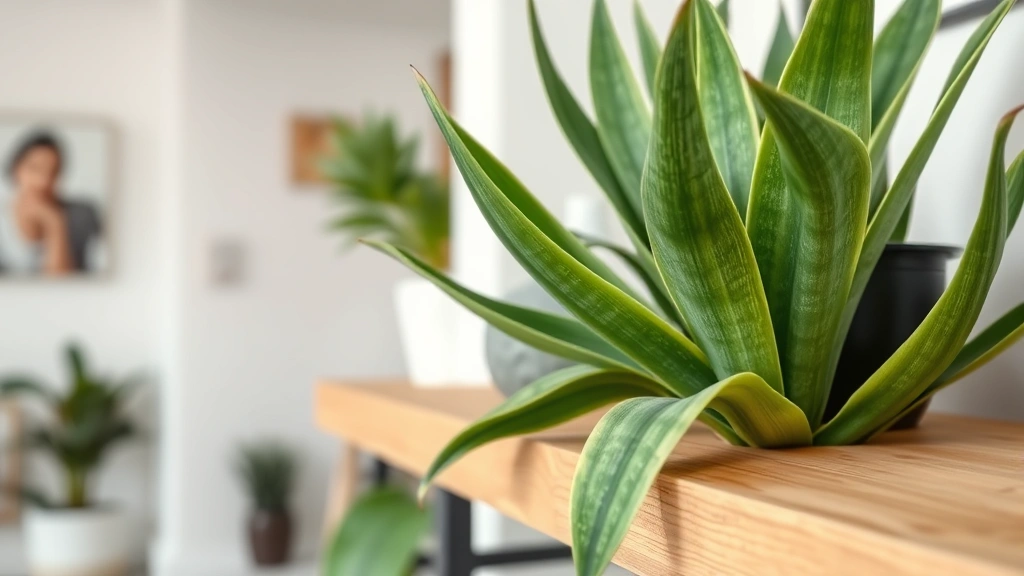
The mother-in-law’s tongue plant belongs to the Asparagaceae family and is native to West Africa. It has become exceptionally popular as a houseplant due to its striking appearance, featuring long, pointed green leaves with yellow or silver variegated edges. The plant is renowned for its air-purifying qualities and low-maintenance care requirements, making it an attractive choice for both experienced and novice plant enthusiasts.
This plant grows slowly but can reach heights of two to four feet indoors. Its popularity has surged in recent years, particularly among urban dwellers and office environments. The plant’s resilience and aesthetic appeal have made it one of the most frequently recommended plants by interior designers and horticultural professionals. However, this widespread adoption has led to increased concerns about potential health risks, particularly regarding toxicity.
The plant’s common names are numerous and varied. Besides mother-in-law’s tongue, it is also called snake plant, viper’s bowstring hemp, and Saint George’s sword. The variety of names reflects its global cultivation and the cultural significance it holds in different regions. Understanding the plant’s botanical characteristics is essential for assessing potential health risks and determining appropriate legal responses to injuries or illnesses allegedly caused by exposure to this plant.

Toxicity Facts: What the Science Says
According to the American Society for the Prevention of Cruelty to Animals (ASPCA), mother-in-law’s tongue plants are toxic to both cats and dogs. The plant contains saponins, which are naturally occurring compounds that can cause gastrointestinal upset in pets. Symptoms in animals may include nausea, vomiting, and diarrhea when the plant material is ingested.
However, the toxicity level is considered mild to moderate, and the plant poses no serious threat unless consumed in substantial quantities. The ASPCA does not classify this plant among the most dangerous houseplants for pets. Most veterinary sources indicate that accidental ingestion by pets typically results in temporary digestive discomfort rather than life-threatening conditions.
For human consumption, the situation differs significantly. The mother-in-law’s tongue plant is generally considered non-toxic to humans. The saponins present in the plant are not absorbed effectively through the human digestive system in the quantities typically encountered from incidental contact or minor ingestion. Medical literature and poison control databases indicate minimal risk of serious harm to humans from this plant.
The National Poison Data System maintains comprehensive records of poisoning incidents across the United States. Data from this system shows that exposures to Sansevieria plants result in very few serious medical outcomes in humans. Most reported cases involve minor irritation of the mouth or throat, typically resolving without medical intervention.
It is important to note that while the plant itself is relatively low-toxicity, the soil in which it is planted may contain fertilizers, pesticides, or other chemical additives that could pose greater health risks than the plant material itself. Additionally, the sharp leaf edges of the mother-in-law’s tongue plant can cause physical injury, including cuts and lacerations, which represents a different type of hazard than chemical toxicity.
Legal Liability for Plant-Related Injuries
From a legal perspective, plant-related injuries and illnesses can trigger various liability frameworks depending on the circumstances. Understanding these legal concepts is crucial for homeowners, business owners, and renters who maintain plants in their spaces. The question of liability becomes particularly relevant when injuries occur and questions arise about responsibility and compensation.
Property owners have a legal duty to maintain their premises in a reasonably safe condition. This principle, known as premises liability, establishes that owners must either repair dangerous conditions or warn visitors of potential hazards. When a plant poses a documented risk, property owners may be required to take preventive measures or provide adequate warnings to occupants and guests.
In cases where a guest or invitee suffers injury from a houseplant, the property owner’s liability depends on several factors. The owner’s knowledge of the danger, the foreseeability of the injury, and the reasonableness of the protective measures taken all influence legal outcomes. If an owner knows that a particular plant is toxic and fails to warn visitors or take steps to prevent access, liability exposure increases significantly.
The concept of negligence in premises liability requires that the property owner owed a duty of care, breached that duty, and caused injury as a result. For plant-related claims, establishing that a breach occurred requires demonstrating that the owner knew or should have known about the hazard and failed to act reasonably to prevent harm.
Premises Liability and Homeowner Responsibilities
Homeowners who maintain potentially hazardous plants in their residences face varying levels of legal responsibility depending on the jurisdiction and the status of the injured party. The law generally distinguishes between different categories of visitors: invitees (those invited for business purposes or social occasions), licensees (those present with permission but not invited), and trespassers.
For invitees, homeowners owe the highest duty of care. This means that if you invite friends, family members, or colleagues to your home, you have a legal obligation to warn them of known hazards. If you maintain a mother-in-law’s tongue plant in an accessible location and a guest suffers injury, the question of whether you provided adequate warning becomes legally significant. Documentation of warnings, either verbal or written, can be important evidence in potential liability disputes.
For licensees, such as utility workers or delivery personnel, homeowners still owe a reasonable duty to warn of non-obvious dangers. However, the threshold for what constitutes adequate warning may be lower than for invited guests. Trespassers generally receive minimal protection, though homeowners are still prohibited from setting traps or creating intentional hazards.
When children are involved, the legal standard becomes more stringent. Parents and homeowners have a heightened duty to protect children from hazards that they may not fully understand or appreciate. The attractive nuisance doctrine, which applies in many jurisdictions, may impose liability on property owners even for injuries to trespassing children if the property contains an attractive hazard that the owner knows children are likely to encounter.
Documentation is essential for homeowners concerned about plant-related liability. Maintaining records of where plants are located, taking photographs of plant placements, and documenting any warnings provided can be valuable evidence if disputes arise. Additionally, keeping plants in locations inaccessible to young children and pets demonstrates reasonable care and significantly reduces liability exposure.
Consumer Protection Laws and Plant Sales
When plants are purchased from nurseries, garden centers, or online retailers, various consumer protection laws may apply. These laws establish standards for product labeling, safety disclosures, and liability for defective or dangerous products. Understanding these protections is important for consumers concerned about the safety of plants they purchase.
The Federal Trade Commission (FTC) enforces regulations requiring that products be accurately labeled and that claims about product safety be substantiated. When a plant is marketed as safe for homes with children or pets, but later causes injury, consumers may have claims under consumer protection statutes. The FTC provides guidance on retail sales of merchandise, which includes plants and plant products.
State-level consumer protection laws vary but generally prohibit deceptive practices in the sale of goods. If a retailer or seller makes false claims about the safety of a mother-in-law’s tongue plant, purchasers may have grounds for claims under their state’s consumer protection statute. These statutes often allow for recovery of damages and may provide for attorney’s fees in successful cases.
Additionally, the Uniform Commercial Code (UCC), which has been adopted in some form by all fifty states, establishes implied warranties regarding the merchantability and fitness for a particular purpose of goods sold. If a plant is sold with an implied warranty that it is suitable for homes with young children or pets, and it subsequently causes injury, breach of warranty claims may be available.
Protecting Your Family: Legal and Safety Considerations
For homeowners concerned about plant safety, several practical and legal steps can reduce risk and liability exposure. First, conduct thorough research on any plant before bringing it into your home. Consult reliable sources such as the ASPCA, poison control centers, and veterinary resources to understand potential hazards.
Second, if you maintain plants that pose any potential risk, take steps to minimize access. Place plants on high shelves, in locked rooms, or in areas where young children and pets cannot reach them. Document these protective measures through photographs and written records.
Third, ensure that all household members and regular visitors are aware of any plant hazards. This is particularly important if you have young children, visiting children, or pets. Clear communication about plant safety can prevent incidents and demonstrate reasonable care if disputes arise.
Fourth, maintain contact information for poison control centers and your veterinarian. In the United States, the Poison Help hotline at 1-800-222-1222 provides 24/7 assistance for poisoning emergencies. Having this information readily available ensures quick access to professional guidance if exposure occurs.
Fifth, consider obtaining homeowner’s insurance that covers liability for injuries occurring on your property. Understanding your policy’s coverage limits and exclusions is important for protecting your assets in the event of a serious incident. Review your policy with your insurance agent to ensure adequate coverage.
Finally, if you have specific concerns about a plant’s safety or potential liability issues, consult with a local attorney who specializes in premises liability or personal injury law. Legal professionals can provide jurisdiction-specific guidance and help you understand your rights and responsibilities.
Workplace Plant Safety Regulations
Employers who maintain decorative plants in workplace environments must comply with occupational safety and health regulations. The Occupational Safety and Health Administration (OSHA) establishes standards for maintaining safe working environments, which may encompass requirements related to hazardous materials and substances present in the workplace.
While OSHA does not specifically regulate common houseplants, employers have a general duty to provide workplaces free from recognized hazards likely to cause death or serious physical harm. If an employer knows that a workplace plant poses a documented risk to employees, the employer may be obligated to take corrective action, provide warnings, or remove the plant entirely.
Additionally, if an employee suffers injury from a workplace plant, workers’ compensation laws may apply. These laws typically provide benefits to employees injured during employment, regardless of fault. However, if the employer’s negligence in maintaining a hazardous plant can be proven, additional claims for negligent infliction of emotional distress or other damages may be available.
Employers should also consider the Americans with Disabilities Act (ADA) when maintaining workplace plants. If a plant poses a particular hazard to employees with certain disabilities, the employer may be required to make reasonable accommodations, such as removing the plant or providing additional warnings.
Documentation is equally important in workplace settings. Employers should maintain records of workplace safety assessments, plant maintenance activities, and any incidents or complaints related to plants. This documentation can be valuable evidence of reasonable care if disputes arise and demonstrates compliance with occupational safety standards.
FAQ
Is mother-in-law’s tongue plant toxic to humans?
The mother-in-law’s tongue plant is generally considered non-toxic to humans. While it contains saponins, these compounds do not typically cause serious harm to humans in the quantities encountered from accidental contact or minor ingestion. Most poison control cases involving this plant result in minimal symptoms.
What should I do if my child ingests part of a mother-in-law’s tongue plant?
If a child ingests plant material, contact the Poison Help hotline at 1-800-222-1222 immediately for professional guidance. Poison control specialists can assess the situation and provide specific recommendations. In most cases, ingestion of this plant results in minor symptoms that resolve without treatment.
Can I be held liable if a guest is injured by my houseplant?
Yes, you could potentially be held liable under premises liability law if a guest suffers injury from a plant in your home, particularly if you knew or should have known about the hazard and failed to warn the guest or take preventive measures. Providing adequate warnings and maintaining plants safely can reduce liability exposure. Consult small claims court resources if a dispute arises regarding property damage or minor injuries.
Do plant retailers have a legal obligation to warn about plant toxicity?
Plant retailers may have obligations under consumer protection laws and the Uniform Commercial Code to provide accurate information about products sold. If a retailer makes false claims about plant safety or fails to disclose known hazards, consumers may have legal recourse. Check your state’s consumer protection laws for specific requirements.
What precautions should I take with plants around pets?
Place plants in locations where pets cannot access them, such as high shelves or locked rooms. Research plant toxicity before purchasing plants for homes with pets. Keep veterinary contact information readily available. Consider removing plants that pose documented risks to your specific pets, even if the risk is mild to moderate.
How should I document plant safety measures in my home?
Take photographs showing where plants are located and any safety measures implemented. Maintain written records of warnings provided to guests. Keep receipts and care information for plants. Document any incidents or injuries related to plants. This documentation can be valuable evidence of reasonable care if liability disputes arise.
Are there specific regulations for plants in commercial spaces?
Employers must comply with OSHA standards for maintaining safe workplaces. While specific plant regulations are limited, employers have a general duty to address recognized hazards. Document plant maintenance activities and any employee complaints. Consider consulting with an occupational safety professional regarding workplace plant safety.


