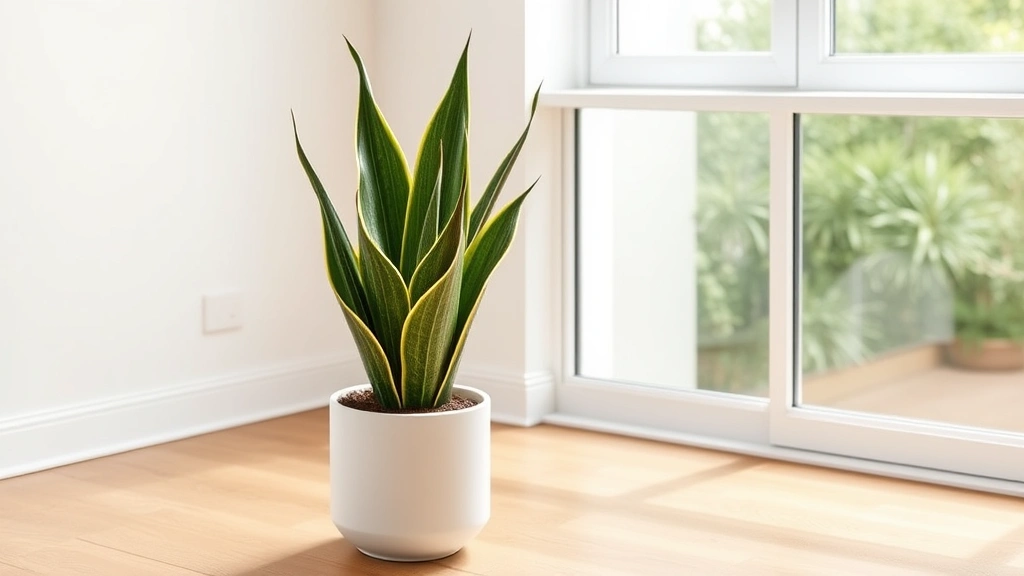
Is Sansevieria Toxic? Legal Insights on Liability and Household Safety
Sansevieria trifasciata, commonly known as mother-in-law’s tongue or snake plant, is one of the most popular houseplants in North America. While celebrated for its air-purifying properties and minimal care requirements, questions about its toxicity have sparked both consumer concern and potential legal implications for manufacturers, retailers, and property owners. Understanding the actual toxicity levels of this plant and the corresponding legal responsibilities is essential for anyone with children, pets, or guests in their home.
The intersection of plant toxicity and legal liability creates a complex landscape where property owners, landlords, and businesses must navigate potential negligence claims, product liability issues, and disclosure obligations. This article explores the scientific evidence regarding sansevieria toxicity, examines relevant legal frameworks, and clarifies the responsibilities that arise when maintaining potentially harmful plants in shared or residential spaces.

Understanding Sansevieria Toxicity: The Scientific Foundation
Before examining legal implications, it is crucial to establish what scientific research actually reveals about sansevieria toxicity. The American Society for the Prevention of Cruelty to Animals (ASPCA) classifies sansevieria trifasciata as toxic to both cats and dogs, containing compounds that can cause gastrointestinal upset when ingested. However, the severity of toxicity is classified as mild to moderate, and serious poisoning cases are relatively rare.
The plant contains saponins, naturally occurring compounds found in numerous household plants and foods. When ingested in small quantities, saponins may cause nausea, vomiting, diarrhea, and abdominal pain in pets and potentially in humans. The toxicity level is significantly lower than that of lilies, oleander, or sago palm, which pose severe health risks. This distinction matters considerably in legal contexts, as courts and juries evaluate risk proportionality when assessing negligence claims.
According to the ASPCA Animal Poison Control Center, most sansevieria ingestion cases result in mild symptoms that resolve without veterinary intervention. In human cases, poisoning is exceptionally rare because the plant’s bitter taste discourages consumption, and accidental ingestion typically involves only small quantities. This scientific reality becomes central to legal arguments about whether a property owner or business breached a duty of reasonable care by maintaining the plant on premises.
Understanding the difference between a plant being technically toxic and posing genuine reasonable risk is essential. A substance can be technically poisonous while presenting minimal practical danger given normal use and exposure patterns. This distinction often determines whether legal liability attaches.

Legal Framework: Negligence and Premises Liability
Property owners owe a duty of reasonable care to visitors, tenants, and guests on their premises. This principle, rooted in tort law and the law of torts, requires property owners to maintain premises in a reasonably safe condition and warn of known hazards. However, establishing liability for injuries caused by sansevieria requires proving four essential elements: duty, breach, causation, and damages.
The existence of a duty is generally clear—property owners must maintain safe premises. The critical question becomes whether maintaining sansevieria constitutes a breach of that duty. Courts apply a “reasonable person” standard, asking whether a reasonable property owner would consider the presence of a mildly toxic houseplant a breach of safety obligations. Given that sansevieria is legally sold in retail nurseries and widely recommended by interior designers, courts may find that a reasonable person would not perceive maintaining the plant as inherently negligent.
Causation presents another significant hurdle for plaintiffs. The injured party must demonstrate that the sansevieria directly caused their injuries. If a child became ill and the parents claim it resulted from plant ingestion, medical evidence must establish this connection. Without clear proof that the child actually ingested the plant and that ingestion caused the documented symptoms, causation cannot be established.
Comparative negligence doctrines, applied in most jurisdictions, may also reduce or eliminate liability even if breach is established. If a parent failed to supervise a young child or ignored visible warning signs that the child was chewing on plants, courts may attribute fault to the parent’s negligence rather than solely to the property owner.
The reasonable care standard is contextual. Property owners of residential homes enjoy different expectations than operators of childcare facilities or hospitals. A daycare center maintaining toxic plants accessible to toddlers faces far greater liability risk than a homeowner with the same plant in a high shelf. This contextual analysis is fundamental to premises liability law.
Product Liability and Retailer Responsibilities
Retailers and nurseries that sell sansevieria face potential product liability exposure if they fail to provide adequate warnings about the plant’s toxicity. Product liability law, distinct from general tort principles, holds manufacturers and sellers to strict liability standards in some jurisdictions, meaning liability can attach even without proving negligence.
Most states recognize three categories of product defects: design defects, manufacturing defects, and failure to warn. Sansevieria, as a natural product, cannot be redesigned to eliminate saponins without fundamentally changing the plant. Manufacturing defects are similarly inapplicable to biological organisms. However, failure to warn claims present genuine liability exposure.
Retailers have an obligation to provide point-of-sale warnings or packaging information that adequately communicates known hazards. A plant sold with a label stating “Toxic if ingested—keep away from children and pets” provides critical protection against liability. Conversely, a plant sold without any warning label creates vulnerability to failure-to-warn claims, particularly if a consumer’s child or pet is subsequently harmed.
The adequacy of warnings is evaluated by whether they are reasonably likely to reach the intended audience and whether they clearly communicate the nature and severity of the risk. A small label on the pot may be insufficient warning if the consumer does not see it. Similarly, vague language like “not recommended for homes with pets” may not constitute adequate warning if the severity of potential harm is not specified.
Major retailers and online plant sellers have increasingly responded by providing explicit toxicity warnings, both reducing their liability exposure and establishing industry standards that smaller retailers must follow to avoid comparative disadvantage. This industry evolution demonstrates how legal liability concerns drive protective practices.
Landlord Obligations and Tenant Rights
The landlord-tenant relationship creates specific legal duties regarding habitability and safety. While sansevieria is unlikely to trigger habitability violations on its own, the analysis becomes more complex in situations involving vulnerable populations or specific lease provisions.
Landlords have an implied warranty of habitability in most jurisdictions, requiring that rental premises be maintained in safe, sanitary, and fit condition for human occupancy. A single houseplant would not typically breach this warranty. However, if a landlord maintains numerous toxic plants throughout a rental unit, deliberately places them where children have access, or ignores tenant complaints about the plants, a court might find breach of the habitability warranty or violation of local housing codes.
Tenants may have contractual rights regarding plant maintenance if the lease specifies which party controls interior decoration and plant maintenance. If a lease explicitly prohibits pets due to allergy concerns but does not address plants, a tenant might argue that the landlord’s placement of toxic plants violates the spirit of the lease’s health-protection provisions.
Lease disputes involving plants have generated litigation in landlord-tenant courts, though reported appellate decisions are rare. The outcomes typically depend on specific lease language and local housing code provisions. When seeking family law attorney consultation regarding living arrangements, such environmental factors may warrant discussion if children’s safety is involved.
Forward-thinking landlords include explicit plant policies in leases, either prohibiting certain plants or requiring disclosure and approval of plant maintenance. This contractual approach provides clarity and reduces dispute likelihood.
Workplace Safety and OSHA Considerations
Employers maintaining plants in workplaces must consider Occupational Safety and Health Administration (OSHA) regulations and general duty obligations. While OSHA does not specifically regulate ornamental plants, the agency’s general duty clause requires employers to maintain workplaces free from recognized hazards likely to cause serious injury or illness.
A toxic plant in a workplace could theoretically violate the general duty clause if an employee suffered documented harm from exposure. However, given sansevieria’s mild toxicity and the low likelihood of workplace ingestion, enforcement risk is minimal. Employers are far more likely to face OSHA issues related to ergonomic hazards, chemical exposures, or unsafe equipment than houseplants.
Workplace safety policies addressing plants would typically focus on preventing allergic reactions or maintaining clean, organized spaces rather than addressing mild plant toxicity. Employers with employees who have severe allergies or are immunocompromised might reasonably restrict certain plants to minimize health risks, but such restrictions would be driven by allergy management rather than toxicity concerns.
The intersection of workplace safety and plant maintenance becomes more significant in healthcare settings, where immunocompromised patients might have heightened vulnerability to infections or allergic reactions. Hospitals and clinics often maintain strict plant policies, though these are typically driven by infection control and allergen concerns rather than toxicity.
Disclosure Requirements for Property Sales
Real estate transactions involve extensive disclosure requirements intended to provide buyers with material information affecting property value and safety. Whether the presence of sansevieria on a property triggers disclosure obligations depends on local real estate law and the specific circumstances.
Most real estate disclosure forms address structural defects, environmental hazards, and known dangerous conditions. A houseplant, even a mildly toxic one, would not typically constitute a material defect requiring disclosure. However, if a seller knows that a buyer has young children or pets and deliberately conceals the presence of toxic plants to avoid disclosure, this conduct might constitute fraud or misrepresentation in some jurisdictions.
Real estate professionals and sellers must be truthful in responding to direct questions about plant safety or pet safety. If a buyer specifically asks whether there are any toxic plants on the property, a seller’s false denial could constitute actionable misrepresentation. The duty to disclose generally does not extend to volunteering information about minor hazards like houseplants unless the seller has specific knowledge that the buyer is particularly vulnerable.
Prudent sellers disclose all plant information when they know buyers have pets or young children, as this information may materially affect the buyer’s decision. Disclosure costs nothing and eliminates post-sale claims that the seller concealed known hazards.
Pet Owners and Animal Poisoning Claims
Pet owners who claim their animals were poisoned by sansevieria face particular challenges in establishing liability and damages. Animals cannot report what they ingested, making causation difficult to prove. A veterinarian’s diagnosis of saponin poisoning based on symptoms alone may be insufficient to establish that sansevieria was the source, as numerous plants and substances cause similar gastrointestinal symptoms.
Liability for veterinary expenses depends on establishing that the defendant’s negligence caused the animal’s illness. If a pet owner allows their dog to roam unsupervised in a neighbor’s yard where sansevieria grows, the pet owner’s negligence in failing to supervise the animal may preclude recovery from the neighbor, even if the neighbor negligently maintained toxic plants.
Pet owners pursuing claims against retailers for failure-to-warn about plant toxicity face stronger arguments than those pursuing claims against residential property owners. A retailer has a professional obligation to warn about known hazards. A homeowner’s obligation to warn neighbors about houseplants is far less clear.
Insurance coverage for pet poisoning claims varies significantly. Homeowners insurance typically does not cover liability for pet injuries on the insured’s property, as pets are generally considered property rather than persons owed a duty of care. Umbrella policies and specialized pet liability coverage may provide protection, but these are uncommon.
Defending Against Toxic Plant Claims
Defendants facing claims arising from sansevieria exposure can assert multiple defenses rooted in both scientific evidence and legal principles. First, the mild toxicity of sansevieria compared to genuinely dangerous plants undermines arguments that maintaining the plant breaches reasonable care standards. Expert testimony establishing that sansevieria presents minimal risk when properly maintained strengthens this defense.
Second, assumption of risk provides a defense when an adult voluntarily exposes themselves to known hazards. If an adult guest in a home sees a plant, observes warning labels if present, and subsequently ingests the plant, they may be deemed to have assumed the risk of any resulting injury.
Third, contributory or comparative negligence often applies. If a parent failed to supervise a child, or if a pet owner failed to prevent their animal from accessing plants, the defendant’s liability may be substantially reduced or eliminated. Most jurisdictions apply comparative negligence, allowing juries to apportion fault among multiple parties.
Fourth, causation challenges are frequently dispositive. Medical evidence must establish that sansevieria ingestion caused documented harm. Correlation between plant exposure and subsequent illness is insufficient without establishing causation. Expert medical testimony becomes essential.
Fifth, defendants can argue that warnings provided were adequate and that the plaintiff failed to heed them. If a plant included clear toxicity warnings and the plaintiff ignored them, this defense significantly weakens the plaintiff’s position. This defense aligns with principles of legal malpractice concepts regarding professional duty to communicate risks clearly.
Finally, defendants can present evidence that sansevieria is widely sold in retail nurseries, recommended by interior designers and decorators, and maintained in countless homes without incident. This widespread acceptance and low incident rate support arguments that maintaining the plant does not breach reasonable care standards.
Insurance coverage should be reviewed early in any claim. Homeowners liability insurance typically covers liability arising from bodily injury caused by negligence on the insured’s property. Sansevieria claims may fall within coverage, though insurers may dispute whether the plant’s presence constitutes a breach of the homeowner’s duty of care. Early notification of potential claims to insurers is essential to preserve coverage rights.
Understanding civil law versus criminal law frameworks is important for recognizing that plant toxicity claims are civil matters seeking compensation for damages, not criminal prosecutions. The burden of proof in civil cases (preponderance of the evidence) is lower than in criminal cases (beyond reasonable doubt), but plaintiffs still bear the burden of proving their claims.
FAQ
Is sansevieria actually toxic to humans?
Sansevieria contains saponins that can cause gastrointestinal upset if ingested, but serious human poisoning is extremely rare. The plant’s bitter taste discourages consumption, and accidental ingestion typically involves small quantities that cause mild symptoms. Intentional large-quantity ingestion would be required to cause severe harm in most cases.
Can I be sued if someone gets sick from my sansevieria?
You could face a lawsuit, but liability depends on proving negligence, breach of duty, causation, and damages. Courts generally recognize that maintaining a legally sold houseplant does not breach a homeowner’s duty of reasonable care. The plaintiff must prove all elements of negligence, which is difficult with a plant presenting mild toxicity. Having the plant visible and accessible to the plaintiff’s own family may constitute their comparative negligence.
Do retailers have to warn about sansevieria toxicity?
Yes, retailers have an obligation to provide adequate warnings about known plant toxicity. Many retailers now include toxicity labels or packaging information. A retailer selling sansevieria without any toxicity warning may face failure-to-warn liability if a consumer’s child or pet is harmed, though the plaintiff still must prove causation and that the warning would have prevented the injury.
What should landlords do regarding toxic plants?
Landlords should include explicit plant policies in leases clarifying which party controls plant maintenance and whether certain plants are prohibited. If a landlord maintains plants in common areas, warning labels should be clearly displayed. Addressing plant policies in writing eliminates ambiguity and reduces dispute likelihood with tenants.
How do I protect myself legally while maintaining sansevieria?
Ensure warning labels are visible if you maintain sansevieria in shared spaces or rental properties. Keep plants away from areas where unsupervised children or pets have access. Document that the plant is legally sold and widely maintained. If you operate a business with vulnerable populations (childcare, healthcare), consider whether maintaining the plant aligns with your safety protocols and insurance requirements.
Can I recover damages if my pet was poisoned by a neighbor’s sansevieria?
Recovery is challenging unless you can prove the neighbor maintained the plant negligently, that your pet specifically ingested it, and that ingestion caused documented harm. If your pet had unsupervised access to the neighbor’s yard, your own negligence in failing to supervise may preclude recovery. Veterinary evidence establishing saponin poisoning would be necessary, and causation must be clearly established.
Are there any legal restrictions on selling sansevieria?
No federal restrictions prohibit selling sansevieria. The plant is legally sold throughout North America. However, retailers should provide adequate toxicity warnings to minimize liability exposure. Some jurisdictions may have local regulations regarding plant sales, but these are uncommon and typically relate to invasive species rather than houseplant toxicity.


