
NC Concealed Carry Laws: Lawyer Insights
North Carolina’s concealed carry regulations represent a critical intersection of constitutional rights, substantive law, and public safety considerations. As a state with a permitless carry framework combined with specific licensing options, understanding these laws requires clarity on eligibility requirements, permit procedures, and the legal implications of carrying concealed weapons. This comprehensive guide examines North Carolina’s concealed carry landscape through a legal professional’s perspective, ensuring citizens understand their rights and responsibilities.
The landscape of NC carry and conceal laws has evolved significantly, reflecting national trends toward constitutional carry while maintaining certain regulatory structures. Whether you’re a longtime resident or new to the state, grasping these nuances prevents legal complications and ensures lawful exercise of Second Amendment protections. Our analysis covers permitting processes, prohibited locations, penalties for violations, and practical considerations every responsible gun owner should know.
Permitless Carry in North Carolina
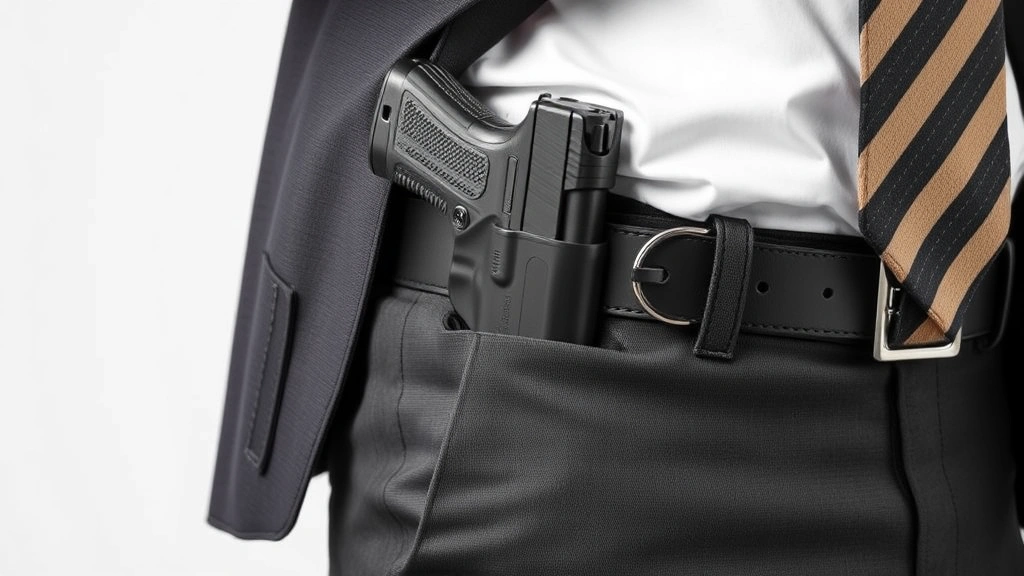
North Carolina adopted permitless carry legislation, allowing law-abiding citizens to carry concealed handguns without obtaining a permit from their county sheriff. This significant legal change modernized the state’s approach to Second Amendment protections, though it’s crucial to understand that permitless carry doesn’t eliminate all regulations—it simply removes the permitting requirement for lawful carry.
Under this framework, any person legally allowed to possess a firearm under both state and federal law can carry concealed without a permit. However, this doesn’t mean unrestricted carry. The state maintains specific locations where concealed weapons remain prohibited, and certain individuals remain ineligible to carry regardless of permit status. Understanding this distinction prevents inadvertent violations that could result in serious criminal charges.
The permitless carry provision applies to handguns specifically. Long guns have different regulations, and understanding these distinctions matters for comprehensive legal compliance. Additionally, while permits are no longer required, North Carolina continues issuing permits for those who want them—primarily for reciprocity purposes when traveling across state lines where recognition of North Carolina permits facilitates legal carry.
Concealed Carry Permit Requirements
Although permits are no longer mandatory in North Carolina, obtaining a voluntary permit offers strategic advantages. The state issues concealed handgun permits through county sheriffs, and eligibility requirements establish who may legally carry. Understanding these requirements clarifies both the permitting process and the underlying legal standards for firearm possession.
Eligibility Criteria for Permits:
- Must be at least 18 years old (21 for federal firearm purchases)
- Must be a North Carolina resident or have a valid reason to carry in the state
- Cannot be a convicted felon or subject to certain criminal restrictions
- Cannot be under a domestic violence protective order
- Cannot be adjudicated mentally ill or committed to mental institutions
- Cannot be subject to restraining orders related to firearms
- Must not be prohibited by federal law from possessing firearms
The background check process for permit applications examines criminal history, mental health records, and domestic violence convictions. Sheriffs verify applicants against federal databases and state records to ensure eligibility. This vetting process, while adding administrative steps to the permitting timeline, serves legitimate public safety interests while protecting constitutional rights.
Applicants should note that permits expire after five years and require renewal. The renewal process mirrors the initial application requirements, ensuring continued eligibility. Additionally, criminal law violations occurring after permit issuance may trigger revocation, making ongoing legal compliance essential for permit holders.
Prohibited Locations and Restrictions
Even with permitless carry authority, North Carolina law explicitly prohibits firearm possession in specific locations. These restrictions balance Second Amendment rights with legitimate safety concerns in sensitive environments. Violating these prohibitions constitutes criminal conduct with potentially severe consequences.
Primary Prohibited Locations Include:
- Federal facilities and courthouses
- Psychiatric facilities and mental health treatment centers
- Detention facilities and correctional institutions
- Certain government buildings designated by local ordinance
- Private property where owners post prohibition notices
- Schools and school property (with limited exceptions)
- Establishments serving primarily alcohol for on-premises consumption
- Areas designated as firearm-free zones by federal or state regulation
Property owners retain the right to prohibit firearms on their premises. When property owners post prohibition notices—typically signs stating “No Firearms Allowed”—carrying onto that property violates the owner’s rights and constitutes trespass with a firearm. Businesses, particularly those serving alcohol, frequently utilize these prohibitions. Recognizing and respecting these restrictions prevents criminal liability.
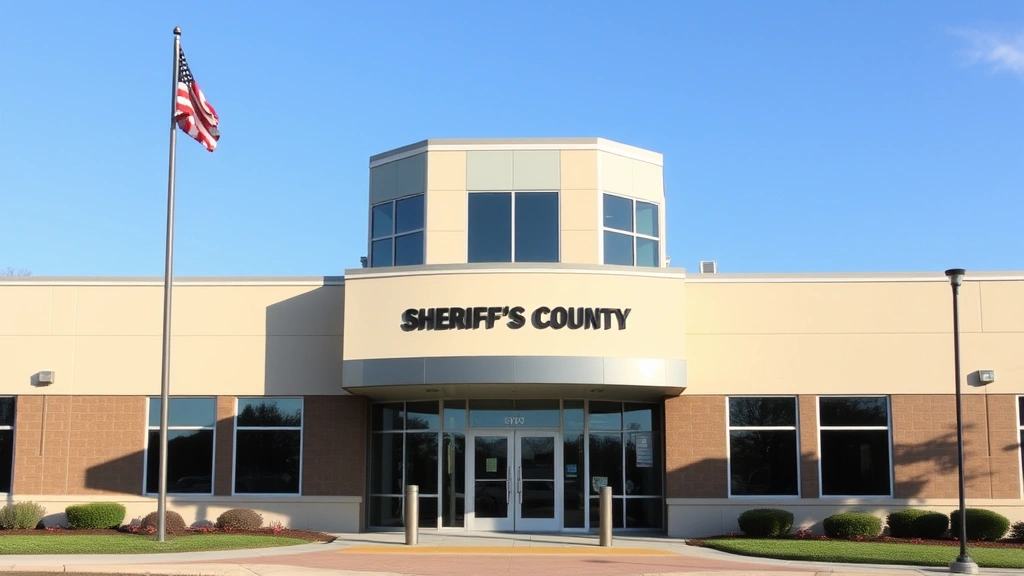
Courthouses represent particularly sensitive areas where firearms remain strictly prohibited. Federal law restricts firearms in federal courthouses, and North Carolina extends these restrictions to state courthouses. Attempting to carry into a courthouse, even unknowingly, results in serious criminal charges. Sheriffs’ offices and law enforcement facilities similarly prohibit civilian firearms.
Schools warrant special attention. While federal law prohibits firearms in school buildings, North Carolina allows certain exceptions for permit holders in specific circumstances. However, most school property remains off-limits. Parents and guardians must understand these restrictions to avoid inadvertent violations when dropping children at school or attending school events.
Licensing Process and Procedures
For those seeking voluntary permits, understanding the application process ensures smooth acquisition and timely approval. While permits are optional under permitless carry, many responsible gun owners pursue them for reciprocity recognition in other states and for maintaining documented legal authority to carry.
Application Procedure:
- Contact your county sheriff’s office—the sole authority issuing concealed handgun permits
- Complete the official application form with accurate personal information
- Submit required identification and proof of residency
- Pay the applicable permit fee (typically $90 for initial permits, $70 for renewals)
- Undergo background investigation by sheriff’s office
- Receive approval or denial notification within statutory timeframes
- Obtain physical permit card for carrying and identification purposes
The background investigation process examines North Carolina criminal records, federal databases, and mental health registries. Sheriffs typically complete investigations within 14 days, though complex cases may require additional time. Applicants have the right to request reasons for denial and may appeal unfavorable decisions through established procedures.
Permit holders should maintain their permit cards during all carry activities. While permitless carry eliminates the requirement to possess documentation, carrying a valid permit provides legal protection and facilitates interactions with law enforcement. Officers can verify permit status through their systems, and presenting the card demonstrates preparedness and lawful intent.
Renewal applications require submission before permit expiration. North Carolina allows renewal applications within 90 days preceding expiration, enabling continuous permit validity. Maintaining current permits prevents gaps in documentation and ensures ongoing reciprocity recognition in states requiring valid permits for out-of-state carriers.
Legal Consequences of Violations
Violating North Carolina’s concealed carry laws carries serious criminal penalties. Understanding these consequences emphasizes the importance of strict legal compliance. Violations range from misdemeanor to felony charges depending on circumstances and prior violations.
Common Violation Penalties:
- Carrying in prohibited locations: Class 2 misdemeanor (minimum penalties include fines and potential jail time)
- Carrying while prohibited by law: Class G felony (substantial prison sentences and permanent rights loss)
- Carrying under the influence: Class 2 misdemeanor with enhanced penalties
- Failure to disclose during police encounters: Varies by circumstances but creates serious complications
- Carrying on school property: Class G felony with mandatory minimum sentences
Beyond criminal penalties, violations trigger collateral consequences affecting employment, housing, and civil rights. Felony convictions result in permanent firearm rights loss, eliminating future carry authority. Even misdemeanor convictions may impact professional licensing, background clearances, and employment prospects in sensitive industries.
Conviction for firearm violations also affects probate and estate planning considerations, as convicted individuals cannot legally possess firearms during probation or supervised release periods. These cascading legal consequences demonstrate why strict compliance matters for responsible gun owners.
Rights and Responsibilities
Carrying concealed weapons represents both a constitutional right and a serious responsibility. Legal authority to carry doesn’t eliminate the need for responsible decision-making, proper training, and continuous legal awareness. Responsible gun owners recognize this balance between rights and obligations.
Core Responsibilities Include:
- Maintaining knowledge of current North Carolina firearms laws and any amendments
- Understanding prohibited locations and respecting property owner restrictions
- Undergoing proper firearms training to safely handle and deploy weapons
- Storing firearms securely when not carrying, particularly around children
- Using appropriate judgment regarding when carrying is necessary or appropriate
- Complying with law enforcement requests and disclosing weapon possession
- Maintaining mental and physical fitness for responsible carry
- Understanding self-defense laws and legal justification standards
Legal knowledge extends beyond statutory prohibitions. North Carolina recognizes self-defense rights, but using force—particularly deadly force—triggers complex legal analyses. Understanding when force is legally justified, proportionate, and necessary prevents tragic outcomes and subsequent criminal liability. Many gun owners benefit from self-defense law training complementing firearms instruction.
Interactions with law enforcement require particular attention. While permitless carry eliminates the requirement to immediately produce a permit, disclosing weapon possession during traffic stops or police encounters prevents misunderstandings and officer safety concerns. Clear, calm communication during these encounters protects both citizens and law enforcement.
Responsible ownership also involves ongoing training and skill development. Legal authority to carry doesn’t guarantee competence with firearms. Proper training in weapon handling, accuracy, threat assessment, and situational awareness ensures that carrying a weapon enhances rather than compromises personal safety and public security.
FAQ
Do I need a permit to carry concealed in North Carolina?
No, North Carolina permits permitless carry for legally eligible individuals. However, obtaining a voluntary permit from your county sheriff offers reciprocity benefits when traveling to states requiring valid permits. Permits also provide documented legal authority.
What’s the difference between permitless carry and permit-free carry?
These terms are essentially synonymous—both indicate that permits are not required to carry concealed. The distinction matters primarily for states that require permits; North Carolina’s permitless system means citizens need not obtain sheriff approval before carrying.
Can I carry in all North Carolina locations?
No, specific locations remain prohibited regardless of permit status. Federal facilities, courthouses, psychiatric facilities, schools, and private property where owners post prohibitions are off-limits. Violating these restrictions constitutes criminal conduct.
What happens if I’m convicted of a firearms violation?
Penalties range from misdemeanor to felony charges depending on violation severity. Convictions result in fines, potential imprisonment, and possibly permanent loss of firearm rights. Collateral consequences affect employment, housing, and professional licensing.
Do I need to tell police I’m carrying?
While not legally required under permitless carry, disclosing weapon possession during police encounters demonstrates transparency and prevents misunderstandings. Many law enforcement interactions proceed more smoothly when officers know about weapons upfront.
Can I carry while under the influence?
Absolutely not. Carrying while intoxicated constitutes a Class 2 misdemeanor with enhanced penalties. Judgment impairment from alcohol or drugs makes carrying particularly dangerous and illegal.
Are there age restrictions for concealed carry?
You must be at least 18 to carry under permitless carry authority, though federal law requires age 21 for licensed firearm purchases. Permit applicants must also satisfy age and residency requirements.
What should I do if I accidentally carry into a prohibited location?
If you discover you’ve carried into a prohibited location, immediately leave the area. If law enforcement becomes involved, consult an attorney before making statements. Accidents happen, but cooperation and legal counsel minimize consequences.
How long does the permit application process take?
Sheriffs typically complete background investigations within 14 days, though complex cases may require additional time. Permits expire after five years and require renewal through the same process.
Can my employer prohibit firearms at work?
Yes, employers retain the right to prohibit firearms on company property. Violating employer firearms policies may result in termination. Employees should understand workplace policies regarding weapons before carrying.
North Carolina’s concealed carry framework balances constitutional protections with legitimate regulatory interests. Understanding these laws—from permitless carry authority through prohibited location restrictions—enables responsible firearm ownership and legal compliance. Whether pursuing voluntary permits for reciprocity or exercising permitless carry rights, staying informed about current regulations and respecting legal boundaries protects both individual rights and public safety. Gun owners should regularly review updated statutes, consult legal professionals regarding specific situations, and maintain commitment to responsible practices that honor both constitutional rights and community welfare.


