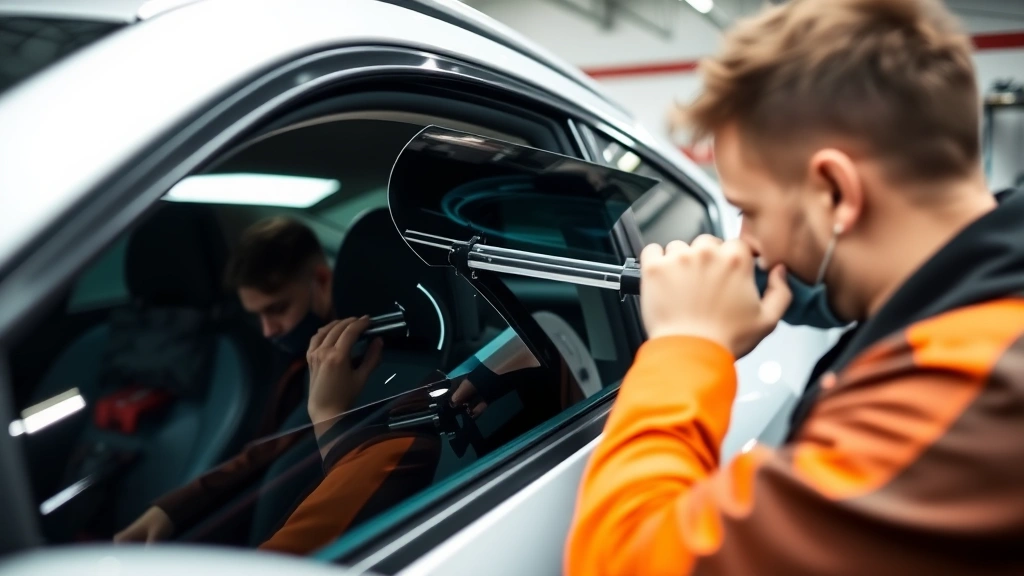
What Are NC Tint Laws? A Comprehensive Legal Overview
Window tinting has become increasingly popular among vehicle owners in North Carolina, whether for aesthetic purposes, privacy, or heat reduction. However, the state maintains specific regulations governing how dark your vehicle’s windows can be. Understanding these NC tint laws is essential to avoid costly fines, vehicle inspection failures, and potential legal complications. This comprehensive guide breaks down everything you need to know about window tinting regulations in North Carolina, including permissible darkness levels, medical exemptions, penalties for violations, and practical compliance tips.
North Carolina’s window tinting statutes are found primarily in the North Carolina General Statutes Chapter 20, which governs motor vehicle equipment and safety standards. These laws exist to maintain road safety by ensuring drivers maintain adequate visibility while operating vehicles. Law enforcement officers can issue citations for non-compliant window tinting, and vehicles with illegal tint may fail state inspections. Whether you’re considering tinting your windows or currently have tinted windows, understanding these regulations protects you from legal liability and helps you make informed decisions about your vehicle.
Understanding Window Tint Darkness Levels
Window tint darkness is measured using a metric called Visible Light Transmission (VLT), which represents the percentage of light allowed to pass through the tinted window. North Carolina’s tint laws specify minimum VLT percentages for different windows on a vehicle. Understanding this measurement is crucial because it determines whether your tint is legally compliant.
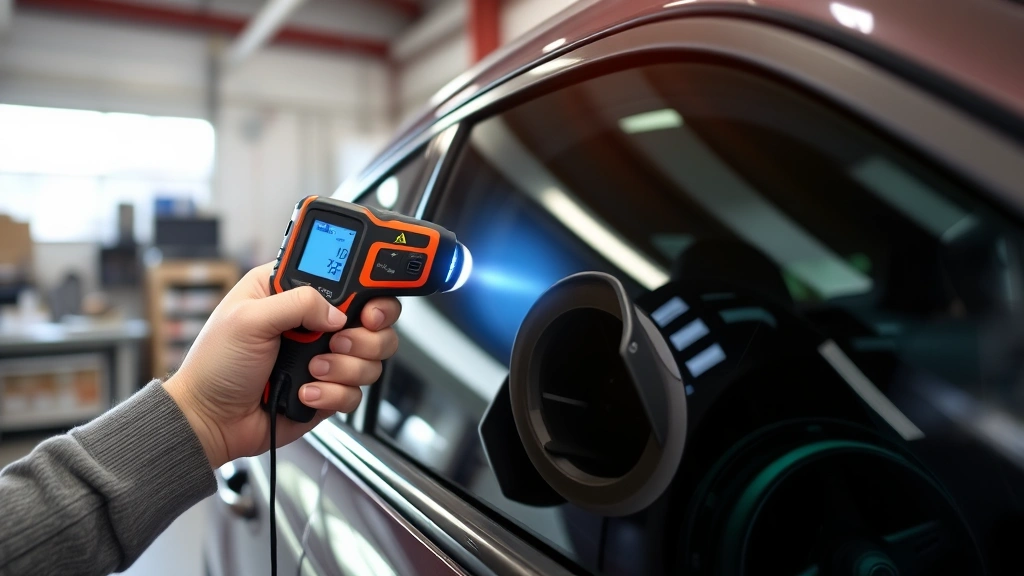
A higher VLT percentage means the window is lighter and allows more light through, while a lower percentage means the window is darker. For example, a 70% VLT rating means 70% of visible light passes through the window, making it relatively light. Conversely, a 20% VLT rating allows only 20% of light through, creating a significantly darker appearance. North Carolina uses these VLT standards as the primary metric for determining legal compliance, and tint shops should be able to measure your windows with a light meter to verify compliance.
The state also permits reflective tint materials, but with restrictions on how reflective they can be. Reflective tints cannot be excessively mirror-like, as this can create safety hazards by reflecting light in ways that distract other drivers. When selecting tint materials, it’s important to choose products that meet North Carolina’s specifications and have proper documentation of their VLT ratings.
North Carolina Tint Regulations by Window
North Carolina distinguishes between different windows on a vehicle, with varying tint regulations for each. These regulations are designed to balance driver privacy and aesthetic preferences with the critical need for visibility and road safety.
Windshield Tinting: North Carolina prohibits tinting on the windshield except for a non-reflective tint strip along the top of the windshield. This strip cannot extend more than 5 inches down from the top of the windshield. This restriction ensures that drivers maintain clear visibility of the road and can see pedestrians, vehicles, and obstacles ahead. Any tint below this 5-inch mark is illegal and subject to citations.
Front Side Windows: The front side windows (driver and passenger windows) must allow a minimum of 35% VLT. This means at least 35% of visible light must pass through these windows. This requirement is relatively strict compared to some states because North Carolina prioritizes law enforcement’s ability to see into vehicles during traffic stops and the driver’s visibility of surrounding traffic and pedestrians. Tint darker than 35% VLT on front windows constitutes a violation.
Rear Side Windows: North Carolina permits darker tinting on rear side windows compared to front windows. The rear side windows must allow a minimum of 20% VLT. This 20% standard provides vehicle occupants with greater privacy in the rear of the vehicle while still maintaining some light transmission. Many vehicle owners choose to tint rear windows at or near this 20% limit for maximum privacy.
Rear Window: Similar to rear side windows, the rear window (back glass) must allow a minimum of 20% VLT. This standard applies whether the rear window is a glass window or a plastic rear window on convertibles or other specialty vehicles. Vehicles with factory-tinted rear windows are typically compliant if they meet these VLT minimums.
It’s important to note that these regulations apply to all passenger vehicles, including sedans, SUVs, and crossovers. Different rules may apply to commercial vehicles, trucks, and specialized vehicles, so if you own a commercial or specialty vehicle, you should verify the specific regulations that apply to your vehicle type.
” alt=”Professional window tint measurement being performed on vehicle side window using specialized light meter device in automotive shop setting”>
Medical Exemptions and Special Circumstances
Recognizing that some individuals have legitimate medical reasons for requiring darker window tint, North Carolina provides medical exemptions to its standard tint regulations. However, obtaining these exemptions requires proper documentation and following specific procedures.
Qualifying Medical Conditions: Drivers with certain medical conditions that increase photosensitivity or require protection from sunlight may qualify for medical exemptions. These conditions typically include lupus, porphyria, solar urticaria, and other photosensitive dermatological or systemic conditions. Additionally, individuals taking medications that increase sun sensitivity may qualify. The medical condition must be documented by a licensed healthcare provider, and the exemption must specifically state that darker window tint is medically necessary.
Obtaining a Medical Exemption: To obtain a medical exemption in North Carolina, you must obtain a written statement from your healthcare provider documenting your medical condition and the medical necessity for darker window tint. You should then contact the North Carolina Division of Motor Vehicles or your local DMV office for specific procedures regarding exemption documentation. Some states require a special permit or sticker indicating the exemption; you should verify North Carolina’s current requirements with the DMV.
Documentation Requirements: When you receive a medical exemption, ensure you keep the exemption documentation in your vehicle at all times. If law enforcement stops you, you should immediately inform the officer about your medical exemption and provide the documentation. Without proper documentation, even with a legitimate medical exemption, you could still receive citations. It’s also advisable to have your healthcare provider’s contact information available in case law enforcement wants to verify your exemption.
Limitations of Medical Exemptions: Medical exemptions typically apply only to front side windows and may not extend to windshield tinting. Additionally, medical exemptions do not override the requirement that you maintain adequate visibility to safely operate the vehicle. If your tint is so dark that you cannot safely see the road and surrounding traffic, the exemption may not protect you from liability if you cause an accident.
Penalties and Legal Consequences
Violating North Carolina’s window tint laws can result in various penalties, ranging from fines to vehicle inspection failures. Understanding these consequences underscores the importance of compliance.
Traffic Citations and Fines: Law enforcement officers can issue citations for window tint violations under North Carolina General Statutes. These citations typically result in fines, which can range from $25 to $100 or more depending on the specific violation and the officer’s discretion. Repeat violations may result in higher fines. Additionally, some jurisdictions may impose court costs associated with tint violations.
Vehicle Inspection Failures: North Carolina requires annual vehicle inspections for all registered vehicles. During these inspections, inspectors check window tint compliance. If your windows exceed the darkness limits, your vehicle will fail inspection and you will not receive an inspection sticker. You cannot legally operate the vehicle on public roads without a valid inspection sticker, so you must remove or lighten your tint to pass inspection.
Insurance and Liability Issues: While tint violations themselves may not directly affect your insurance rates, they can complicate matters if you’re involved in an accident. If law enforcement determines that your illegal tint contributed to visibility problems that caused or exacerbated an accident, this could affect liability determinations and insurance claims.
Accumulating Violations: Multiple tint violations can accumulate on your driving record. While individual tint citations may seem minor, accumulating violations can affect your driving record, potentially influencing insurance rates and creating a pattern of law enforcement concern. Additionally, if you accumulate multiple violations, law enforcement may target your vehicle more frequently for traffic stops.
Understanding that these penalties exist should motivate vehicle owners to ensure their tint is compliant or to obtain proper medical exemptions if necessary. The cost of removing non-compliant tint is typically minimal compared to the costs associated with citations, failed inspections, and potential legal complications.
How to Ensure Compliance
Ensuring your vehicle’s window tint complies with North Carolina law involves several practical steps. Whether you’re considering new tint or evaluating existing tint, these guidelines will help you stay compliant.
Measure Your Current Tint: If your vehicle already has tint, you can measure its VLT using a light meter or by having a professional tint shop measure it. Many tint shops offer free measurement services and can tell you whether your tint is compliant. If it’s too dark, they can advise you on removal or lightening options.
Choose a Reputable Tint Shop: When having new tint applied, select a reputable shop that understands North Carolina’s regulations. Professional tint shops will apply tint that meets state requirements and can provide documentation of the tint’s VLT rating. Ask the shop about their familiarity with NC tint laws and request written documentation of the VLT percentage of the tint being applied.
Request Documentation: Obtain documentation from your tint shop specifying the VLT percentage of the tint applied to each window. This documentation can be valuable if you’re ever stopped by law enforcement, as it demonstrates your intent to comply with state regulations. Keep this documentation in your vehicle.
Know Your State’s legal terminology: Familiarize yourself with the specific legal language used in North Carolina’s tint statutes. Understanding terms like VLT, reflective tint, and medical exemption helps you communicate with tint professionals and law enforcement.
Plan for Vehicle Inspection: Before your vehicle’s annual inspection, ensure your tint is compliant. If you’re unsure, have it measured beforehand. If it’s non-compliant, either remove it or have it lightened before inspection. This prevents inspection failures and the need to rush to remove tint.
Document Medical Exemptions: If you have a medical exemption, keep all documentation readily accessible in your vehicle. Consider keeping a copy in your glove compartment and having your healthcare provider’s information available for verification.
Recent Changes and Updates
Window tint laws can change over time as legislatures update vehicle regulations in response to safety concerns, technological advances, or public input. Staying informed about recent changes ensures you remain compliant with current regulations.
North Carolina periodically reviews its motor vehicle equipment standards, including window tint regulations. While the fundamental VLT percentages have remained relatively stable in recent years, it’s important to check with the North Carolina Department of Motor Vehicles or your local DMV office for any recent legislative changes. The state’s Division of Motor Vehicles website provides official information about current regulations.
Additionally, enforcement priorities may shift over time. Some years, law enforcement may focus more heavily on tint violations, while other periods may see less emphasis on this particular violation. However, this does not mean non-compliant tint is acceptable; it simply means that the likelihood of receiving a citation may fluctuate.
Changes in window tint technology, such as new nano-ceramic tints that provide better heat rejection at higher VLT percentages, may influence how drivers approach tinting. These advanced materials allow drivers to achieve some benefits of darker tint while remaining compliant with state regulations.
Vehicle owners should also be aware that if they move to another state, that state’s tint laws may differ significantly from North Carolina’s regulations. What is legal in North Carolina might be illegal in a neighboring state, so if you frequently travel across state lines, ensure your tint is compliant with all states you visit.
” alt=”Close-up of vehicle window tint edge detail showing professional installation quality and light transmission characteristics in natural daylight”>
FAQ
What is the legal tint darkness in North Carolina?
In North Carolina, front side windows must allow a minimum of 35% Visible Light Transmission (VLT), while rear side windows and rear windows must allow a minimum of 20% VLT. The windshield can only have a non-reflective tint strip extending no more than 5 inches from the top.
Can I get a medical exemption for darker window tint in NC?
Yes, North Carolina provides medical exemptions for individuals with documented medical conditions that require protection from sunlight. You must obtain written documentation from a licensed healthcare provider and follow the specific procedures outlined by the North Carolina Division of Motor Vehicles.
What happens if my window tint is too dark?
If your window tint is too dark, you may receive a citation with fines ranging from $25 to $100 or more. Additionally, your vehicle will fail annual state inspection, and you cannot legally operate it on public roads without a valid inspection sticker. You must remove or lighten the tint to comply.
How is window tint darkness measured?
Window tint darkness is measured using Visible Light Transmission (VLT), expressed as a percentage. A light meter measures the percentage of visible light passing through the tinted window. Professional tint shops and some automotive facilities can measure your tint’s VLT.
Does North Carolina allow reflective window tint?
North Carolina permits reflective tint materials, but they cannot be excessively reflective or mirror-like. The reflectivity must not create safety hazards by distracting other drivers. Always verify that reflective tint products meet North Carolina’s specifications.
Will tinted windows affect my vehicle inspection?
Yes, if your windows exceed North Carolina’s darkness limits, your vehicle will fail inspection. You must have compliant windows to receive an inspection sticker. If your tint is too dark, remove or lighten it before inspection.
Can I tint my windshield in North Carolina?
You can apply only a non-reflective tint strip to the top of your windshield, extending no more than 5 inches down from the top. Any tint below this 5-inch line is illegal.


