NC Window Tint Law: Attorney Insights and Compliance Guide
North Carolina window tint regulations can be confusing for vehicle owners who want to customize their cars while staying compliant with state law. Understanding the specific requirements for window tinting in NC is essential to avoid traffic citations, fines, and potential vehicle inspection failures. This comprehensive guide breaks down the current regulations, legal limits, and what you need to know to ensure your vehicle meets all requirements.
Window tinting laws vary significantly across states, and North Carolina maintains particular standards regarding light transmission and reflectance. Whether you’re considering tinting your windows for privacy, UV protection, or aesthetic reasons, knowing the legal boundaries protects you from unnecessary legal complications. Our attorneys have compiled this resource to help drivers navigate NC window tint law with confidence and clarity.
Understanding NC Window Tint Standards
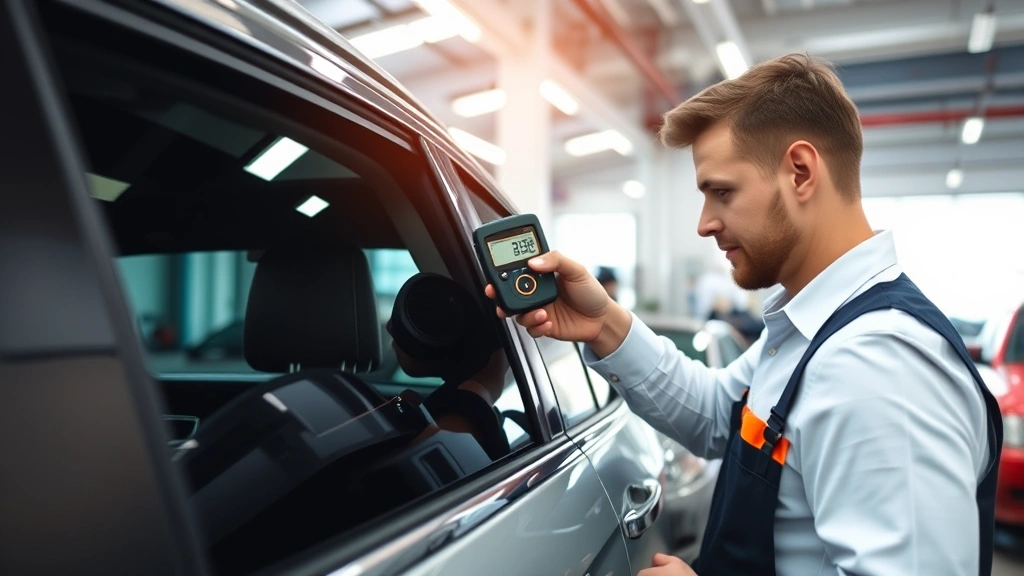
North Carolina’s window tinting regulations are codified in the state’s vehicle equipment laws and are designed to balance driver privacy and customization preferences with public safety concerns. The primary focus of these regulations centers on light transmission, which measures the percentage of visible light allowed to pass through tinted windows. Law enforcement and vehicle inspectors use standardized light meters to measure whether tinting complies with state requirements.
The state distinguishes between different window types because each serves unique functions in vehicle operation and safety. The windshield, front side windows, back side windows, and rear window all have different regulatory requirements. Understanding these distinctions is critical because violations can result in traffic citations and failure to pass vehicle inspection. North Carolina takes window tinting seriously as part of its broader vehicle safety standards.
When you’re considering window tinting, it’s important to understand that light transmission percentages work inversely to tint darkness. A 70% light transmission rating means 70% of light passes through, making it relatively light tinting. A 20% rating means only 20% of light passes through, resulting in much darker tinting. North Carolina’s regulations specify minimum light transmission percentages for each window type to ensure adequate visibility for drivers and law enforcement visibility into vehicles.
Many vehicle owners don’t realize that window tinting regulations exist for legitimate safety and law enforcement purposes. Overly dark windows can impair driver vision, particularly in low-light conditions, and can obstruct visibility for other drivers on the road. Additionally, law enforcement needs adequate visibility into vehicles for safety reasons during traffic stops. These regulations reflect a reasonable balance between individual vehicle customization and public safety concerns.
Legal Light Transmission Requirements
North Carolina’s specific light transmission requirements are among the more permissive in the nation, allowing vehicle owners considerable flexibility in window tinting choices. The state permits light transmission of 70% or more for the front side windows, which allows for relatively light tinting while maintaining excellent visibility. This is a practical standard that permits some privacy and UV protection without significantly impairing driver vision.
For the rear window and back side windows, North Carolina’s regulations are more lenient, permitting light transmission of 35% or more. This means you can apply significantly darker tinting to rear windows compared to front windows. The rationale behind this distinction is that rear window tinting doesn’t directly affect driver forward vision and provides enhanced privacy for vehicle occupants in the rear seating area.
The windshield regulations in North Carolina are the most restrictive, as windshields are critical for driver vision and safety. North Carolina prohibits tinting on the windshield except for a non-reflective tint on the top 6 inches of the windshield. This small band of tint at the top can provide some sun protection without significantly impacting the driver’s forward vision. Any tinting beyond this 6-inch band on the windshield is illegal and will result in a citation if detected during a traffic stop or vehicle inspection.
Understanding these specific percentages is essential before having window tinting installed. Professional tinting shops in North Carolina should be familiar with these regulations and can help you select tint darkness that complies with state law. However, it’s your responsibility as the vehicle owner to ensure compliance, so requesting documentation of the light transmission percentage from your tinting provider is advisable.
Windshield and Front Window Regulations
The windshield receives special attention in North Carolina’s window tinting regulations because it’s the primary viewing surface for vehicle operation. Windshield tinting is heavily restricted to maintain driver vision and safety. The only permitted windshield tinting is a non-reflective band across the top 6 inches, measured from the top of the windshield downward. This band cannot be reflective, meaning it must allow visibility from both outside and inside the vehicle.
Front side windows—the windows immediately adjacent to the driver and front passenger—must maintain at least 70% light transmission. This requirement ensures that law enforcement officers can see into the vehicle during traffic stops and that drivers maintain adequate peripheral vision. The 70% standard is relatively liberal compared to some states, allowing for light to medium tinting that provides some privacy and UV protection without severely compromising visibility.
Many vehicle owners are surprised to learn that front window tinting restrictions are stricter than rear window restrictions. This reflects the safety rationale behind the regulations: the front windows are critical for driver vision and safety, while rear window tinting doesn’t directly affect driver forward vision. When selecting tint for your vehicle, ensure your tinting professional understands these distinctions and applies appropriate darkness levels to each window type.
If you’re considering professional window tinting services, verify that the tinting shop is familiar with North Carolina regulations. Reputable tinting businesses will measure light transmission after installation to confirm compliance. Some shops may offer a guarantee that their work meets state requirements, which provides additional protection and peace of mind regarding your investment.
Back and Side Window Rules
North Carolina’s regulations for back and side windows are considerably more permissive than windshield and front window rules. Back side windows and rear windows can have 35% light transmission or greater, meaning you can apply significantly darker tinting to these windows. This 35% standard allows for substantial privacy for rear vehicle occupants while still permitting reasonable light penetration for interior illumination and emergency visibility.
The distinction between front and rear windows reflects practical safety considerations. Rear windows don’t affect the driver’s forward vision or the driver’s ability to operate the vehicle safely. Additionally, passengers in rear seats benefit from enhanced privacy, which is particularly valuable for commercial vehicles, family vehicles, or any situation where occupant privacy is desired. The 35% standard provides this privacy while maintaining basic visibility standards.
When planning window tinting for your vehicle, you can take advantage of these more lenient rear window regulations to achieve your desired aesthetic and privacy goals. Many vehicle owners choose to apply darker tinting to rear windows while maintaining lighter, compliant tinting on front windows. This approach maximizes privacy in rear seating areas while ensuring full compliance with state regulations and maintaining driver visibility.
It’s important to note that back and side window regulations apply uniformly regardless of vehicle type, though some specialty vehicles may have specific considerations. If you own a commercial vehicle, SUV, truck, or sedan, the same 35% light transmission standard applies to rear and side windows. Professional installers will ensure consistent application across all qualifying windows.
Medical Exemptions and Special Permits
North Carolina recognizes that some individuals have legitimate medical reasons for requiring darker window tinting beyond the standard legal limits. The state provides a medical exemption process for drivers with specific medical conditions that make them sensitive to sunlight or require UV protection. Individuals with conditions such as severe photophobia, lupus, or other light-sensitive conditions may qualify for exemptions allowing darker tinting than normally permitted.
To obtain a medical exemption, you must provide documentation from a licensed physician stating that you have a medical condition requiring enhanced UV protection or reduced light exposure. The exemption process requires submission of medical documentation to the North Carolina Department of Motor Vehicles. Once approved, you’ll receive a certificate or documentation that you should carry with your vehicle registration to demonstrate compliance with the exemption process.
Medical exemptions don’t eliminate regulations entirely; they provide flexibility in applying darker tinting when medically necessary. If you believe you qualify for a medical exemption, contact the DMV or consult with an attorney familiar with legal terms and vehicle regulations to understand the application process. Having proper documentation is essential if you’re stopped by law enforcement, as it demonstrates that your tinting complies with the exemption requirements.
Some individuals attempt to use medical exemptions fraudulently, which can result in serious consequences including citations, fines, and potential criminal charges. If you’re considering a medical exemption, ensure you have genuine medical documentation from a licensed healthcare provider. The exemption process exists for legitimate medical needs, and law enforcement takes fraudulent exemptions seriously.

Penalties and Enforcement
Violations of North Carolina’s window tinting regulations can result in traffic citations and associated penalties. Illegal window tinting is typically classified as a non-moving violation, similar to equipment violations. When law enforcement detects non-compliant tinting, officers can issue citations that result in fines and potentially points on your driving record, depending on the specific violation and your jurisdiction.
Fines for window tinting violations in North Carolina vary but typically range from $25 to $100 for first-time offenses. However, accumulating multiple violations or failing to correct cited violations can result in escalating penalties. Additionally, vehicles with non-compliant window tinting will fail North Carolina vehicle inspection, which is required annually for vehicle registration. This means you’ll need to remove or adjust your tinting before your vehicle can pass inspection.
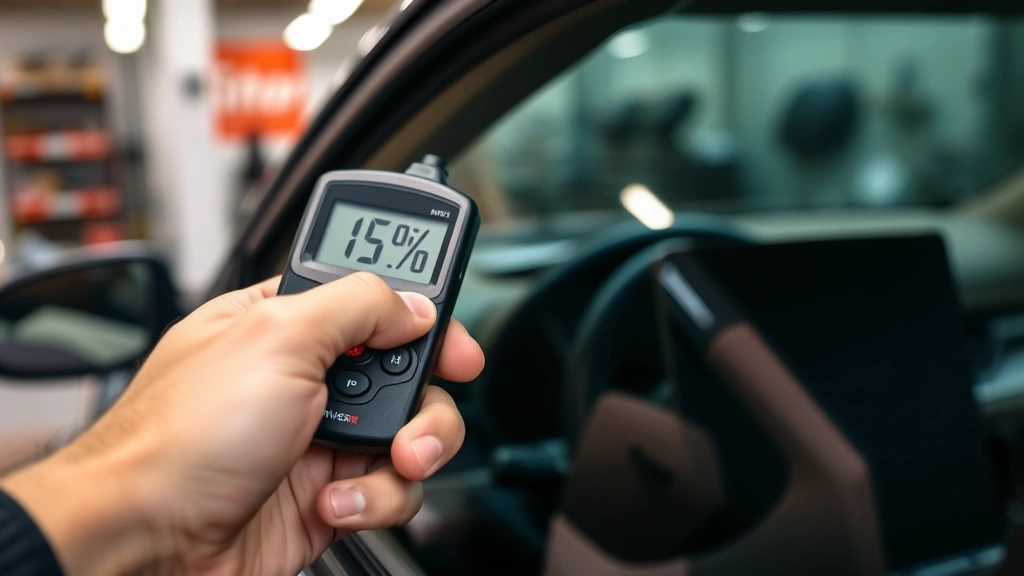
Law enforcement officers use handheld light meters to measure window tinting darkness during traffic stops. These meters provide objective measurements of light transmission percentages, which officers compare against state legal requirements. The objective nature of this measurement means there’s little room for dispute regarding whether tinting is compliant—either it meets the light transmission requirements or it doesn’t.
To avoid penalties, ensure your window tinting complies with state regulations before having it installed. If you’ve already had tinting applied and are concerned about compliance, you can have it measured by a professional tinting shop or removed entirely. Some vehicle owners have experienced significant inconvenience by failing vehicle inspection or receiving citations, so proactive compliance is far preferable to addressing violations after the fact.
Reflectance and Color Restrictions
Beyond light transmission requirements, North Carolina regulations also address reflectance and tint color. Window tinting cannot be excessively reflective, as reflective tinting can create safety hazards by creating glare for other drivers. The regulations prohibit tinting that creates a mirror-like effect, as this can impair visibility for drivers following your vehicle and can create dangerous situations on roadways.
Regarding tint color, North Carolina permits standard tinting colors typically available from professional tinting shops, including gray, bronze, and neutral colors. However, the state prohibits certain tint colors that may be considered exotic or that may create visibility hazards. Red, amber, and blue tints are generally prohibited or heavily restricted, as these colors can interfere with vehicle light recognition and create confusion regarding vehicle signals and lights.
When selecting window tinting, choose standard neutral colors that comply with state regulations. Professional tinting shops are familiar with these color restrictions and will recommend compliant options. If you’re considering specialty colors or highly reflective tinting, verify with your tinting professional that such options comply with North Carolina law before proceeding with installation.
The rationale behind reflectance and color restrictions parallels the light transmission requirements: these regulations exist to maintain traffic safety and ensure that vehicles can be properly identified and understood by other road users. Reflective or unusual-colored tinting can create confusion or hazards that the state seeks to prevent through these regulations.
Inspection and Compliance Checks
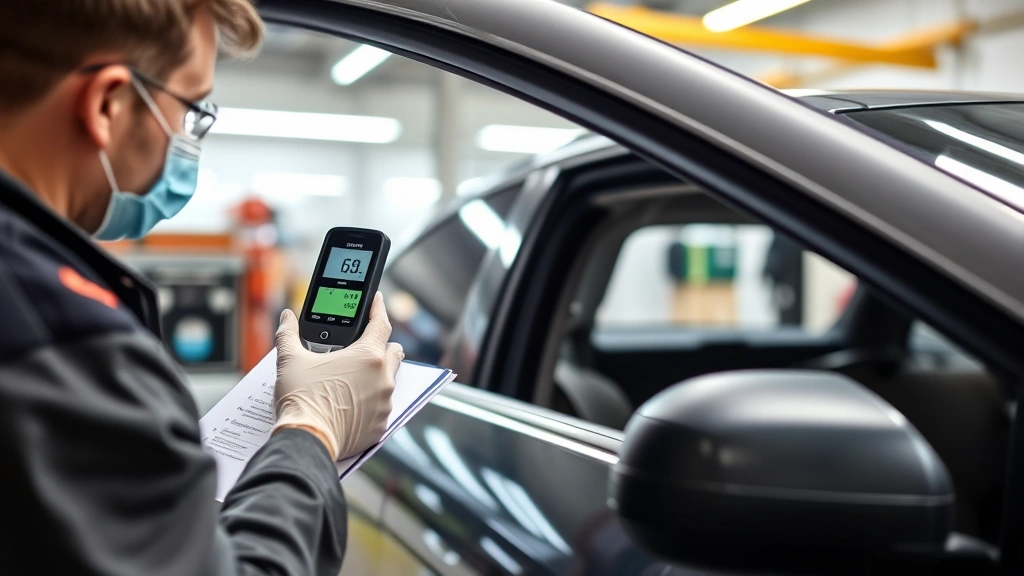
North Carolina requires annual vehicle inspection for all registered vehicles, and window tinting compliance is part of the standard inspection process. During inspection, technicians measure window tinting with light meters to ensure compliance with state requirements. Vehicles with non-compliant tinting will fail inspection and receive a note indicating the specific violation.
If your vehicle fails inspection due to window tinting, you have several options: remove the tinting entirely, have it adjusted to meet compliance standards, or apply for a medical exemption if you qualify. You’ll need to correct the violation and return for re-inspection before your vehicle can be registered. This process can be inconvenient and costly, particularly if you’ve recently had professional tinting installed.
To avoid inspection failures, verify that any window tinting you have professionally installed meets North Carolina requirements. Request written documentation from the tinting shop confirming the light transmission percentage of the installed tinting. This documentation can be valuable if questions arise regarding compliance, and it demonstrates that you’ve taken reasonable steps to ensure legal compliance.
If you’re purchasing a used vehicle with existing window tinting, consider having the tinting measured before purchase to ensure it complies with state regulations. Some used vehicles may have non-compliant tinting that previous owners didn’t correct, and you could inherit this compliance problem. Taking time to verify compliance before purchasing can prevent unexpected inspection failures and associated inconvenience.

Frequently Asked Questions
What is the legal window tint percentage in North Carolina?
North Carolina requires at least 70% light transmission for front side windows and at least 35% light transmission for back and side windows. The windshield can have a non-reflective tint band on the top 6 inches only. These percentages represent the amount of visible light that must pass through the window.
Can I have my windshield tinted in North Carolina?
The windshield can only have a non-reflective tint on the top 6 inches. Any tinting beyond this 6-inch band is illegal. This restriction ensures driver visibility and safety, as the windshield is critical for vehicle operation.
Will illegal window tinting cause my vehicle to fail inspection?
Yes, non-compliant window tinting will cause vehicle inspection failure. You must either remove the tinting, adjust it to meet compliance standards, or obtain a qualifying medical exemption before your vehicle can pass inspection and be registered.
What are the penalties for illegal window tinting in North Carolina?
Penalties typically range from $25 to $100 for first-time violations, though specific amounts vary by jurisdiction. Additionally, inspection failure and vehicle registration denial can occur if tinting doesn’t meet requirements. Repeat violations can result in escalating penalties.
Can I get a medical exemption for darker window tinting?
Yes, North Carolina provides medical exemptions for individuals with light-sensitive medical conditions. You’ll need documentation from a licensed physician stating your medical condition and explaining why you require enhanced UV protection or reduced light exposure. Contact the North Carolina DMV for the specific application process.
How do law enforcement officers measure window tinting compliance?
Officers use handheld light meters that measure the percentage of visible light passing through window tinting. These objective measurements are compared against state legal requirements to determine compliance.
Can I apply window tinting myself, or should I use a professional?
While DIY tinting is technically possible, professional installation is strongly recommended to ensure compliance with light transmission requirements. Professional shops measure tinting after installation and can provide documentation confirming compliance. DIY installation often results in non-compliant tinting or poor quality results.
Are there different rules for commercial vehicles?
Commercial vehicles are subject to the same window tinting regulations as personal vehicles. The 70% front window and 35% rear window requirements apply uniformly regardless of vehicle type or intended use.
What should I do if my vehicle was cited for illegal window tinting?
If you’ve received a citation for window tinting violations, you can correct the violation by having the tinting adjusted or removed. Some jurisdictions may dismiss citations after you demonstrate that the violation has been corrected. Consider consulting an attorney if you’re unsure about your options or if you believe the citation was issued in error.
Understanding Your Rights and Responsibilities
As a North Carolina vehicle owner, understanding window tinting regulations protects you from unnecessary citations, inspection failures, and associated inconvenience. The regulations are clearly defined and objectively measured, so compliance is straightforward when you have accurate information. Whether you’re considering new window tinting or addressing existing tinting compliance concerns, taking time to understand these requirements demonstrates responsible vehicle ownership.
If you have questions about specific situations or believe you’ve been unfairly cited, consulting with an attorney familiar with North Carolina vehicle regulations can provide valuable guidance. Many legal issues related to window tinting are straightforward, but individual circumstances may present unique considerations. Similarly, if you believe you qualify for a medical exemption, consulting with an attorney or contacting the DMV can help you understand the application process and requirements.


