
Newport News Rental Law Update: Legal Insights on Short-Term Rental Regulations
Newport News, Virginia has become an increasingly popular destination for short-term rental investments, attracting property owners seeking to capitalize on the city’s tourism and business travel markets. However, navigating the evolving regulatory landscape surrounding short-term rentals in this vibrant Hampton Roads community requires a comprehensive understanding of local ordinances, licensing requirements, and compliance obligations. The city has implemented substantial regulatory changes in recent years to address housing concerns, neighborhood preservation, and safety standards, making it essential for property owners and prospective investors to stay informed about current requirements.
The short-term rental market in Newport News operates within a complex framework of municipal codes, state regulations, and federal guidelines that collectively determine how residential properties may be utilized for temporary guest accommodations. Whether you own a single-family home, condominium, or multi-unit property, understanding these legal requirements is fundamental to operating a compliant and profitable rental business. This comprehensive guide explores the critical aspects of Newport News short-term rental law, including licensing procedures, permitted use classifications, tax obligations, and enforcement mechanisms that property owners must navigate.
Understanding Newport News Short-Term Rental Classifications
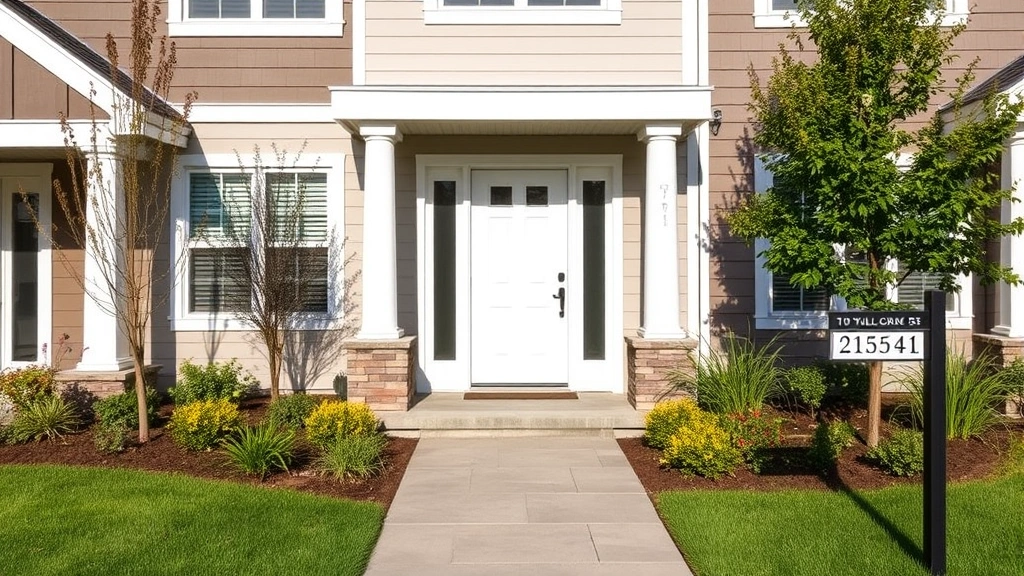
Newport News defines short-term rentals as residential properties rented to guests for periods typically not exceeding thirty consecutive days, though specific definitions vary based on the property classification and zoning district. The city distinguishes between owner-occupied short-term rentals, where the property owner maintains permanent residence at the location, and non-owner-occupied rentals, which operate as investment properties without permanent resident ownership. This critical distinction significantly impacts regulatory requirements, permitted frequency of rentals, and licensing obligations.
Owner-occupied short-term rentals generally face fewer restrictions than their non-owner-occupied counterparts, reflecting the city’s preference for owner-operator models that tend to maintain higher community integration and neighborhood oversight standards. Many municipalities, including Newport News, permit owner-occupied rentals to operate with minimal licensing burdens compared to professional property management operations. However, even owner-occupied rentals must comply with basic safety standards, guest notification requirements, and local tax collection obligations. Understanding which classification applies to your specific situation is the foundational step in achieving legal compliance.
The regulatory framework also recognizes distinctions between primary residence short-term rentals and secondary property rentals, each subject to potentially different regulatory treatment. Some jurisdictions implement caps on the number of days per year that owner-occupied properties may be rented, while others establish numerical limits on the total number of active short-term rental licenses issued within specific neighborhoods or districts. These nuanced classifications require careful attention to ensure your property operates within legally permissible parameters and avoids unintended violations that could result in substantial penalties or license revocation.
Licensing Requirements and Application Process
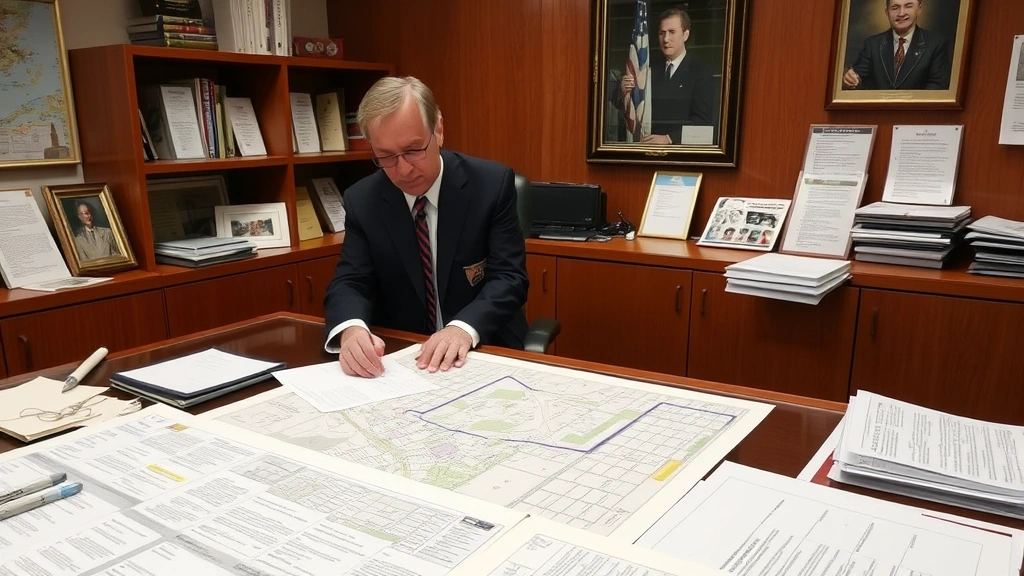
Obtaining proper licensure represents the cornerstone of legal short-term rental operations in Newport News. The city’s Department of Planning and Community Development administers the short-term rental licensing program, requiring property owners to submit comprehensive applications that demonstrate compliance with applicable zoning, safety, and operational standards. The application process typically requires documentation of property ownership, proof of liability insurance, floor plans, parking availability assessments, and detailed operational procedures addressing guest management and complaint resolution mechanisms.
Applicants must provide evidence that their proposed short-term rental operation complies with local zoning ordinances, meaning residential properties situated in commercially-zoned districts or mixed-use areas may face different regulatory pathways than those in exclusively residential neighborhoods. The licensing application also requires submission of a neighborhood impact assessment, which demonstrates consideration of potential effects on surrounding properties and community character. Property owners should anticipate that the application review process may require sixty to ninety days for initial determination, with potential requests for supplemental information or documentation.
License renewal occurs annually, and property owners must demonstrate continued compliance with all applicable regulations during the preceding year. Failure to renew licenses results in automatic termination of operating authority, and continued operation without valid licensing exposes property owners to significant civil penalties and potential criminal liability. The city maintains a public registry of licensed short-term rental properties, which residents and neighborhood associations may consult to verify operator legitimacy and file complaints regarding non-compliant operations. This transparent accountability mechanism encourages comprehensive regulatory adherence and facilitates community oversight of the short-term rental sector.
When considering dispute resolution for rental-related conflicts, understanding mechanisms like mediation versus arbitration can clarify your options for resolving guest disputes or neighbor complaints without litigation. Additionally, property owners facing complex legal questions should consider consulting resources that explain liability and injury claim processes, as these principles may apply to short-term rental operations.
Zoning and Land Use Restrictions
Newport News municipal code designates specific zoning districts where short-term rental operations are permitted uses, conditionally permitted uses requiring special exceptions, or prohibited uses entirely. Single-family residential zones typically permit owner-occupied short-term rentals as accessory uses, provided the property owner maintains primary residence and complies with density limitations. Commercial zones and mixed-use districts generally accommodate non-owner-occupied short-term rental operations, though conditional use permits may be required depending on proximity to schools, parks, or sensitive institutional facilities.
Zoning compliance verification represents an essential preliminary step before submitting licensing applications. Property owners should contact the city’s Department of Planning and Community Development to confirm their specific parcel’s zoning classification and applicable use permissions. The city maintains comprehensive zoning maps and detailed ordinance provisions specifying permitted, conditional, and prohibited uses within each district. Properties situated on district boundaries or adjacent to zoning transitions may face particular scrutiny regarding compatibility with surrounding land uses, potentially requiring neighborhood compatibility analysis or conditional use authorization.
Deed restrictions, homeowners association covenants, and condominium bylaws may impose additional limitations on short-term rental operations beyond municipal zoning requirements. Many residential developments restrict or prohibit short-term rentals entirely through private restrictive covenants, which operate independently of municipal law and may result in civil liability and injunctive relief even if municipal regulations permit the operation. Property owners must thoroughly review all title documents and governing association documents before commencing short-term rental operations to avoid conflicts with private land use restrictions that could result in forced cessation of operations or substantial damages assessments.
Safety and Habitability Standards
Newport News requires all short-term rental properties to maintain comprehensive safety systems and habitability standards protecting guest welfare and neighborhood security. Properties must comply with the Virginia Uniform Statewide Building Code and local amendments, including requirements for functioning smoke detectors on every level, carbon monoxide detectors near sleeping areas, fire extinguishers in kitchens, and clearly marked emergency exit routes. Properties must maintain adequate lighting in common areas, secure door locks with functional deadbolts, and safe stair railings meeting applicable building code specifications.
Swimming pools, hot tubs, or other water features require appropriate safety fencing, gates with self-closing mechanisms, and compliance with Virginia drowning prevention standards. Properties with multiple bedrooms may be subject to occupancy limitations based on available sleeping arrangements, bathroom facilities, and parking capacity. Fire safety inspections conducted by the city fire marshal’s office verify that properties maintain compliant fire suppression systems, emergency lighting, and evacuation procedures appropriate for the anticipated guest occupancy levels.
Sanitation and pest control standards require properties to maintain clean kitchens and bathrooms, functioning plumbing systems, and pest-free environments. Property owners must establish regular cleaning protocols between guests, maintain documentation of pest control treatments, and promptly address any maintenance issues that could compromise guest health or safety. The city may conduct unannounced inspections of licensed short-term rental properties to verify ongoing compliance with habitability standards, and deficiencies discovered during inspections must be corrected within specified timeframes or face license suspension or revocation.
Tax Obligations for Short-Term Rental Operators
Short-term rental income constitutes taxable revenue subject to federal income tax, Virginia state income tax, and local lodging tax requirements. Property owners must register with the Virginia Department of Taxation and obtain an Employer Identification Number (EIN) for rental operations, even if the business operates as a sole proprietorship. Rental income must be reported on federal Form 1040 Schedule C or Schedule E, with deductible expenses including mortgage interest, property taxes, insurance premiums, utilities, maintenance costs, and depreciation allowances.
Newport News imposes a local lodging tax on short-term rental accommodations, typically calculated as a percentage of nightly rental rates and collected from guests. Licensed operators must register with the city’s Finance Department, remit lodging taxes on a monthly or quarterly basis depending on rental volume, and maintain detailed records documenting rental dates, guest names, nightly rates, and tax calculations. Failure to collect and remit lodging taxes exposes property owners to significant penalties, interest charges, and potential criminal liability for tax evasion or fraud. The city conducts regular audits of short-term rental operators to verify accurate tax reporting and collection compliance.
Property owners should maintain comprehensive financial records documenting all rental income and business-related expenses, including receipts for repairs, cleaning services, property management fees, and utilities. These detailed records facilitate accurate tax reporting and provide substantiation if the city or federal taxing authorities conduct audits. Many short-term rental operators engage certified public accountants or tax professionals to ensure proper treatment of rental income, legitimate deduction claims, and timely filing of all required federal, state, and local tax returns. Understanding tax implications early in the planning process enables property owners to structure operations efficiently and avoid costly compliance errors.
Guest Conduct and Liability Considerations
Short-term rental operators bear significant responsibility for guest conduct and must implement policies that minimize disruptive behavior, noise violations, and neighborhood impacts. Property owners should establish clear house rules addressing quiet hours, maximum occupancy limits, parking restrictions, and prohibitions on illegal activities or drug use. Rental agreements must explicitly state that guests assume liability for any property damage beyond normal wear and tear, and property owners should require security deposits or damage waivers to protect against guest-caused harm.
Liability insurance specifically covering short-term rental operations is essential, as standard homeowners policies typically exclude or significantly limit coverage for rental activities. Short-term rental liability policies must cover guest injuries occurring on the property, property damage caused by guests, and host liability for guest-caused injuries to third parties. Property owners should maintain current liability insurance documentation as a licensing requirement and evidence of reasonable risk management practices demonstrating commitment to guest safety and neighborhood protection.
Newport News ordinances typically impose operator responsibility for enforcing neighborhood noise standards and preventing nuisance conditions. If guests create excessive noise, generate complaints from neighbors, or engage in illegal activities, the property owner may face enforcement action regardless of personal involvement in the disruptive conduct. Property owners should establish protocols for prompt guest contact, violation remediation, and removal of non-compliant guests when necessary. Some operators utilize professional property management services to handle guest communication, complaint response, and rule enforcement, thereby reducing personal liability exposure and ensuring consistent policy application.
Enforcement and Penalty Provisions
The City of Newport News enforces short-term rental regulations through multiple mechanisms, including administrative citations, license suspension or revocation, and civil penalties. Property owners operating without valid licenses face immediate enforcement action and may be ordered to cease short-term rental operations pending licensing compliance. Operating violations such as exceeding occupancy limits, conducting rentals in prohibited zoning districts, or failing to maintain safety standards may result in license suspension for specified periods or permanent revocation for egregious or repeated violations.
Civil penalties for short-term rental violations typically range from hundreds to thousands of dollars per violation or per day of non-compliance, and penalties may accumulate rapidly for properties with multiple concurrent violations or extended non-compliance periods. The city maintains authority to issue administrative citations that trigger fine obligations and may be appealed through administrative hearing processes before impartial hearing officers. Property owners receiving citations should carefully review violation allegations and consider requesting administrative hearings to challenge improper or erroneous citations before financial penalties become final.
Neighborhood residents and community associations may file formal complaints with city enforcement authorities regarding suspected violations, including unlicensed operations, excessive noise, parking problems, or safety deficiencies. The city investigates complaints and may conduct unannounced inspections of suspect properties. For serious violations or repeated non-compliance, the city may pursue civil actions seeking injunctive relief to prohibit continued violations or recover penalties. Additionally, property owners may face civil liability from affected neighbors through nuisance litigation if short-term rental operations create substantial, unreasonable interference with neighbors’ property enjoyment or quiet enjoyment rights.
Prospective short-term rental operators should recognize that regulatory violations carry not only financial penalties but also reputational consequences that may damage property values and neighborhood relationships. Understanding and proactively complying with all applicable regulations represents the most effective strategy for avoiding enforcement action and maintaining positive community standing. For those facing complex legal disputes with neighbors or regulatory authorities, consulting resources explaining defamation and dispute resolution procedures may clarify available legal remedies.
FAQ
What is the primary distinction between owner-occupied and non-owner-occupied short-term rentals in Newport News?
Owner-occupied short-term rentals require the property owner to maintain permanent residence at the location, while the owner must be physically present during rental periods in many jurisdictions. Non-owner-occupied rentals operate as pure investment properties without permanent resident ownership, typically subject to more stringent licensing requirements, conditional use restrictions, and operational oversight. Owner-occupied models generally face fewer regulatory barriers and lower licensing fees, reflecting municipal preferences for owner-operator accountability and neighborhood integration.
How long does the Newport News short-term rental licensing application process typically require?
Initial application review generally requires sixty to ninety days, though complex applications or properties requiring conditional use authorization may require longer processing periods. Applicants should expect requests for supplemental information or documentation, which may extend overall timelines. Renewing existing licenses typically processes more quickly than initial applications, often completing within thirty to forty-five days if the property maintains continuous compliance with all applicable regulations.
Are short-term rental operations permitted in all Newport News residential zones?
No, short-term rental permissions vary significantly based on specific zoning classifications and district regulations. Some residential zones permit owner-occupied rentals as accessory uses, while others restrict all short-term rental operations or permit only non-owner-occupied rentals in commercial zones. Property owners must verify their specific parcel’s zoning classification and permitted uses before commencing operations. Deed restrictions and homeowners association covenants may impose additional limitations beyond municipal zoning requirements.
What types of liability insurance do short-term rental operators require?
Standard homeowners insurance policies typically exclude or severely limit coverage for rental activities. Short-term rental operators should obtain specialized liability insurance covering guest injuries, property damage caused by guests, and host liability for guest-caused injuries to third parties. Insurance policies should specify coverage limits appropriate to property size, anticipated occupancy, and risk exposure. Liability insurance documentation typically constitutes a licensing requirement demonstrating reasonable risk management practices.
How are short-term rental income and local taxes calculated in Newport News?
Short-term rental income constitutes taxable revenue subject to federal and state income tax reporting. Newport News imposes a local lodging tax calculated as a percentage of nightly rental rates, which operators must collect from guests and remit to the city on specified schedules. Property owners must register with city tax authorities, maintain detailed rental records documenting dates and rates, and file regular tax returns. Failure to collect and remit lodging taxes exposes operators to substantial penalties and potential criminal liability.
What enforcement actions can the City of Newport News take against non-compliant operators?
The city possesses authority to issue administrative citations imposing civil penalties, suspend or revoke operating licenses, and pursue civil actions seeking injunctive relief prohibiting continued violations. Penalties range from hundreds to thousands of dollars per violation and may accumulate rapidly for properties with multiple concurrent violations. Operating without valid licenses constitutes immediate grounds for enforcement action and cease-and-desist orders. Serious violations or repeated non-compliance may result in permanent license revocation and civil liability.


