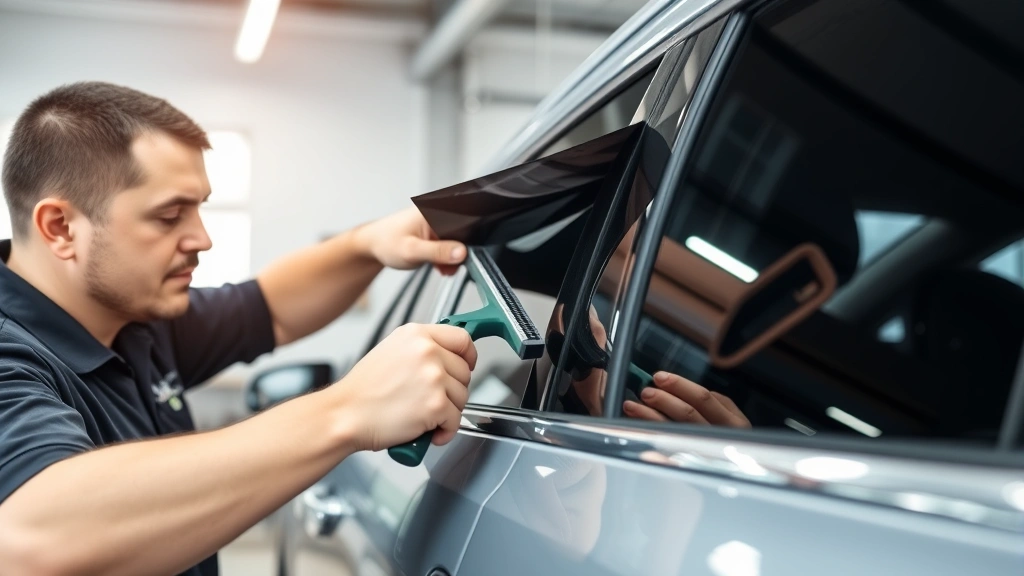
North Carolina window tint laws have undergone significant changes in recent years, creating confusion among vehicle owners about what’s legally permissible. Understanding these regulations is essential to avoid citations, fines, and potential vehicle inspection failures. Whether you’re considering tinting your windows for privacy, UV protection, or aesthetic reasons, knowing the current legal requirements in North Carolina will help you make informed decisions about your vehicle.
Window tinting regulations fall under North Carolina’s vehicle safety standards, which are enforced by law enforcement and during vehicle inspections. The state has specific requirements regarding light transmittance percentages for different windows, and violations can result in penalties ranging from warnings to fines. This comprehensive guide explores the latest North Carolina window tint law changes, what they mean for drivers, and how to ensure your vehicle remains compliant with state regulations.
Understanding North Carolina Window Tint Standards
North Carolina’s window tinting regulations are designed to balance driver safety, visibility, and personal preferences. The primary concern for regulators is ensuring that drivers maintain adequate visibility of the road, surrounding vehicles, and pedestrians. Window tint darkness is measured using a metric called visible light transmittance (VLT), which indicates the percentage of visible light that passes through the window film. Lower VLT percentages mean darker tint, while higher percentages mean lighter, more transparent tint.
The state distinguishes between different windows on a vehicle because the safety implications vary. Front windshields have the strictest requirements since drivers need maximum visibility while operating the vehicle. Side windows and rear windows have more lenient regulations because they don’t directly impact the driver’s forward vision. Understanding these distinctions helps vehicle owners make appropriate tinting choices without violating state law.
North Carolina also recognizes that window tinting serves legitimate purposes beyond aesthetics. UV protection helps preserve vehicle interiors and protects occupants from harmful ultraviolet rays. Privacy and security benefits are also valid considerations for many drivers. However, these benefits must be balanced against public safety requirements, which is why the state maintains specific technical standards that all window tinting must meet.
Recent Law Changes and Updates
The landscape of North Carolina window tint regulations has evolved over the past several years as legislators have worked to clarify standards and address enforcement inconsistencies. Recent changes have focused on making regulations more explicit and ensuring uniform application across the state. These updates reflect ongoing discussions between law enforcement, vehicle manufacturers, and advocacy groups about what constitutes reasonable window tinting.
One significant development has been increased clarity regarding medical exemptions. North Carolina now provides a more structured process for drivers with medical conditions that require additional sun protection. This change acknowledges that some individuals have legitimate health reasons for window tinting that exceeds standard limits. The updated framework allows for documented medical exemptions while maintaining safety standards for those without qualifying conditions.
Additionally, North Carolina has enhanced coordination between the Department of Motor Vehicles and law enforcement regarding inspection standards. This coordination ensures that vehicle inspections apply consistent criteria when evaluating window tint compliance. The state has also made information more readily available to the public through official DMV resources and law enforcement guidance documents.
When considering vehicle modifications, it’s helpful to understand how to choose a lawyer who specializes in traffic and vehicle code violations, should you need legal assistance with tinting-related citations.
Light Transmittance Requirements by Window
North Carolina’s specific window tint requirements are:
- Front Windshield: Only non-reflective tint is permitted on the top six inches of the windshield. The remainder of the windshield must allow at least 70% of light to pass through (70% VLT minimum). This requirement is the strictest because the windshield is critical for driver visibility.
- Front Side Windows: Must allow at least 35% of light to pass through (35% VLT minimum). These windows are important for driver visibility when looking to the sides and for occupant safety during side-impact collisions.
- Rear Side Windows: Must allow at least 35% of light to pass through (35% VLT minimum). These windows are less critical for the driver’s direct vision but still important for overall vehicle safety.
- Rear Window: Must allow at least 35% of light to pass through (35% VLT minimum). The rear window affects visibility for the driver when using mirrors and for rear occupants.
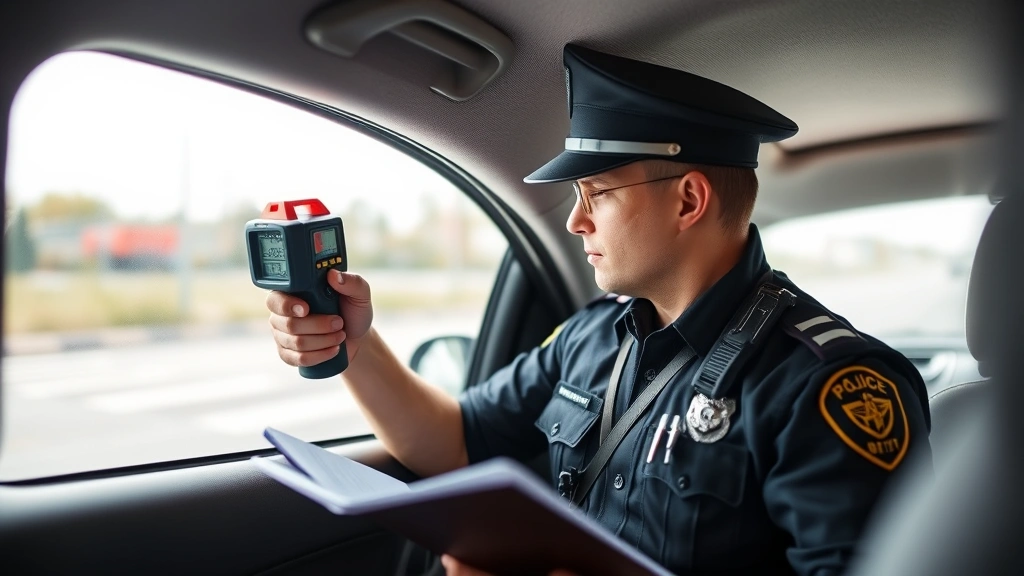
These percentages represent visible light transmittance, meaning that tint darkness cannot exceed these thresholds. A 35% VLT window tint, for example, allows 35% of visible light to pass through while blocking 65% of light. It’s important to note that window tint darkness can be difficult to assess visually, which is why law enforcement uses specialized measuring devices during inspections and traffic stops.
Reflective tint restrictions also apply in North Carolina. While some level of reflectivity is acceptable, excessively reflective or mirror-like window tinting is prohibited. This restriction helps prevent safety hazards caused by reflected light and ensures that law enforcement officers can see into vehicles when necessary for safety purposes.
Understanding legal terminology related to vehicle regulations can be helpful; consult the legal terms glossary for clarification on specific concepts.
Medical Exemptions for Window Tinting
North Carolina recognizes that certain medical conditions may justify window tinting that exceeds the standard legal limits. Conditions such as severe photosensitivity, lupus, porphyria, and other light-sensitive disorders can cause significant health issues if sufferers are exposed to excessive sunlight. The state provides a formal process for obtaining medical exemptions from standard window tint requirements.
To qualify for a medical exemption, drivers must:
- Obtain written documentation from a licensed physician stating that the medical condition requires additional sun protection
- Specify which windows require tinting and the recommended VLT percentage
- Submit the medical documentation to the North Carolina Department of Motor Vehicles
- Receive approval and documentation of the exemption
- Keep the exemption documentation in the vehicle at all times
Medical exemption documentation should clearly state the driver’s name, the specific medical condition, the recommended window tint specifications, and the physician’s professional credentials. The DMV reviews these applications and approves those that meet medical necessity criteria. Once approved, drivers are protected from citations for non-compliant window tinting related to their approved medical condition.
It’s important to note that medical exemptions are specific to particular vehicles and may not transfer if you change vehicles. Additionally, exemptions must be renewed periodically and can be revoked if the medical necessity is questioned or if regulations change.
Penalties and Enforcement
Violating North Carolina’s window tint laws can result in various penalties depending on the severity of the violation and whether it’s a first or repeat offense. Law enforcement officers can cite drivers for non-compliant window tinting during traffic stops, at vehicle inspection stations, or during routine vehicle safety checks.
Typical penalties include:
- Warnings: First-time violators may receive warnings, particularly if the violation is minor
- Citations and Fines: Fines typically range from $25 to $100 for window tint violations, though specific amounts may vary by jurisdiction
- Vehicle Inspection Failure: Non-compliant window tinting will result in a failed vehicle inspection, preventing vehicle registration renewal
- Requirement to Remove Tint: Citations often include a requirement to remove or modify the window tinting within a specified timeframe
- Repeat Violation Penalties: Multiple violations can result in higher fines and potential additional penalties
Enforcement of window tint laws varies across North Carolina’s counties and municipalities. Some areas focus primarily on enforcing tint requirements during vehicle inspections, while others conduct traffic enforcement to identify non-compliant vehicles. The statewide consistency efforts mentioned earlier are designed to create more uniform enforcement practices.
If you receive a citation for window tint violations, you have the right to contest it. Understanding your options for alternative dispute resolution may help you address the citation appropriately.
How to Ensure Compliance
Ensuring that your vehicle’s window tinting complies with North Carolina law requires understanding the specific requirements and taking steps to verify compliance before having tint applied. If you’re considering window tinting, follow these guidelines:
- Research Professional Installers: Work with window tint installers who are knowledgeable about North Carolina’s specific requirements. Many professional tinting shops can advise you on compliant darkness levels.
- Specify VLT Percentages: When requesting window tinting, explicitly specify the VLT percentages for each window location. Request 70% or higher for the front windshield and 35% or higher for other windows to ensure compliance.
- Obtain Documentation: Ask the installer to provide documentation of the VLT percentages of the tint applied. This documentation can be valuable if you’re questioned about your tinting.
- Verify Before Installation: Confirm the specifications before the installer applies the tint. Once tint is applied, removing or modifying it can be costly and time-consuming.
- Check Local Variations: While North Carolina has statewide standards, some municipalities may have additional requirements. Check with your local law enforcement or DMV office for any local variations.
- Plan for Vehicle Inspections: Ensure your vehicle will pass inspection with your chosen tint. If you’re unsure, err on the side of lighter tint rather than risking inspection failure.
If you already have window tinting that may not comply with current regulations, you have options. You can have the tint professionally removed or modified to meet current standards. Many tint shops offer removal services at reasonable costs. Removing non-compliant tinting before receiving a citation is preferable to being cited and then having to remove it.
Legal Resources and Support
Several resources are available to help you understand and comply with North Carolina’s window tint regulations. The North Carolina Department of Motor Vehicles maintains official information about vehicle safety standards, including window tinting requirements. Their website provides detailed specifications and guidance for vehicle owners.
Law enforcement agencies across North Carolina also provide educational materials about vehicle regulations. Many county sheriffs’ offices and municipal police departments have resources explaining local enforcement practices and specific requirements. Contacting your local law enforcement agency can provide clarity about how tinting regulations are enforced in your area.
For those who have received citations or need legal assistance with window tint violations, knowing how to choose a lawyer who handles traffic violations can be beneficial. An attorney experienced in vehicle code violations can help you understand your options and potentially negotiate outcomes.
If you’re injured in a vehicle accident and believe window tinting contributed to visibility issues, understanding the personal injury claim process may be relevant to your situation. Additionally, reviewing the blog on Legal Wise Hub provides ongoing updates about vehicle regulations and legal developments.
External resources that provide authoritative information include the North Carolina Department of Motor Vehicles, which offers official vehicle safety standards and inspection requirements. The North Carolina Department of Justice provides information about traffic laws and enforcement. For technical specifications and industry standards, the Society of Automotive Engineers publishes standards related to vehicle safety and window transparency. The Insurance Institute for Highway Safety conducts research on vehicle safety features, including visibility standards. Finally, the North Carolina Sheriffs’ Association represents law enforcement perspectives on vehicle safety regulations.
FAQ
What is the darkest legal window tint in North Carolina?
The darkest legal window tint in North Carolina is 35% VLT (visible light transmittance) for front side windows, rear side windows, and rear windows. The front windshield must allow at least 70% of light to pass through, with non-reflective tint permitted only on the top six inches.
Can I get a medical exemption for darker window tinting?
Yes, North Carolina allows medical exemptions for drivers with documented light-sensitive medical conditions. You must obtain written documentation from a licensed physician, submit it to the North Carolina Department of Motor Vehicles, and receive approval. The approval must be kept in your vehicle.
Will non-compliant window tinting cause my vehicle to fail inspection?
Yes, window tinting that exceeds North Carolina’s legal limits will result in a failed vehicle inspection. You must remove or modify the tinting to meet legal standards before your vehicle can pass inspection and be registered.
What should I do if I receive a citation for window tint violations?
If you receive a citation, you have the right to contest it. You can request a hearing, work with a traffic violations attorney, or consider removing the tinting and requesting the citation be dismissed. Review your citation for specific details about the violation and your options.
Are there any exceptions to North Carolina’s window tint laws?
The primary exceptions are medical exemptions for documented health conditions and non-reflective tint on the top six inches of the front windshield. Law enforcement, emergency vehicles, and certain other official vehicles may have different standards, but regular passenger vehicles must comply with the stated requirements.
How can I verify the VLT percentage of my window tint?
Professional window tint installers can measure VLT using specialized equipment. Many law enforcement agencies also have measurement devices. If you’re unsure about your tinting’s compliance, contact a professional installer or local law enforcement to have it measured.
What’s the difference between VLT and window tint darkness?
VLT (visible light transmittance) is the technical measurement of how much light passes through the window tint, expressed as a percentage. Window tint darkness is the subjective visual appearance. A 35% VLT tint appears quite dark visually because it blocks 65% of light, but it’s the legal limit for most North Carolina windows.


