Window tinting has become increasingly popular among vehicle owners in Ohio, whether for privacy, UV protection, or aesthetic appeal. However, many drivers remain unaware that Ohio has specific regulations governing how dark window tint can be on different vehicle windows. Understanding these laws is essential to avoid traffic violations, fines, and potential vehicle registration issues. This comprehensive guide breaks down Ohio’s window tint regulations, explains the legal limits, and provides insights into enforcement and exceptions.
Ohio Revised Code Section 4513.241 establishes the state’s window tinting standards, which align with national safety concerns regarding driver visibility and law enforcement officer safety during traffic stops. Unlike some states with more lenient tint laws, Ohio maintains relatively strict regulations to ensure that drivers can see clearly while operating vehicles and that officers can see inside vehicles during roadside interactions. Whether you’re considering tinting your windows or currently have tinted windows, understanding these regulations protects you from legal complications.
Ohio Window Tint Legal Limits
Ohio’s window tint laws specify precise measurements for how much light can be blocked by window tinting, measured as Visible Light Transmission (VLT) percentage. VLT represents the percentage of visible light that can pass through the window and tinting combination. The higher the VLT percentage, the lighter the tint; the lower the percentage, the darker the tint. Ohio law requires that all window tinting must allow at least a certain percentage of light to pass through, depending on which windows are being tinted.
The state distinguishes between different vehicle windows because each serves different safety purposes. Front windows require higher visibility for safe driving, while rear windows have different requirements. Additionally, the windshield has its own specific restrictions because it directly impacts the driver’s forward vision. These regulations apply to all motor vehicles registered in Ohio, including cars, trucks, SUVs, and vans.
One important aspect of Ohio tint law is that it applies the regulations based on the combined light transmission of the window glass and any applied tint film. This means that if your window glass already blocks some light naturally, the tint film must allow enough additional light through to meet the legal standard. Understanding the relationship between civil regulations and traffic violations helps drivers recognize that tint violations can result in both citations and civil liability in certain circumstances.
Front Side Windows Regulations
For front side windows (the windows next to the driver and front passenger), Ohio law is relatively strict. Front side windows must allow at least 50% of light to pass through them. This means the VLT percentage for front side windows must be 50% or higher. This requirement applies to the combined transmission of both the original window glass and any tint film applied to it.
The 50% VLT requirement for front windows ensures that drivers maintain adequate visibility of the road, pedestrians, and other vehicles. It also allows law enforcement officers and other people outside the vehicle to see inside the car, which is a critical safety consideration. If you’re considering tinting your front windows, you must select a tint film that, when combined with your existing window glass, will not reduce light transmission below 50%.
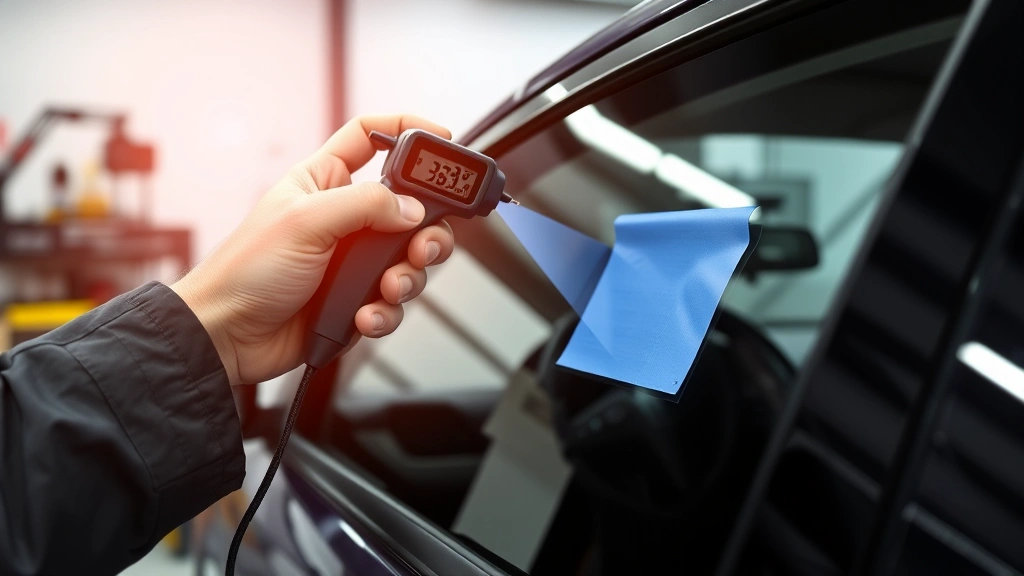
Many drivers choose to tint their front windows for privacy or to reduce glare and heat from the sun. However, they must work with professional tint installers who understand Ohio’s specific requirements and can measure the VLT accurately. Some tint shops use light meters to verify compliance before applying tint, which provides documentation that your vehicle meets state standards. Professional installation is recommended because improper application or selecting tint that’s too dark can result in traffic citations.
Rear and Back Windows Rules
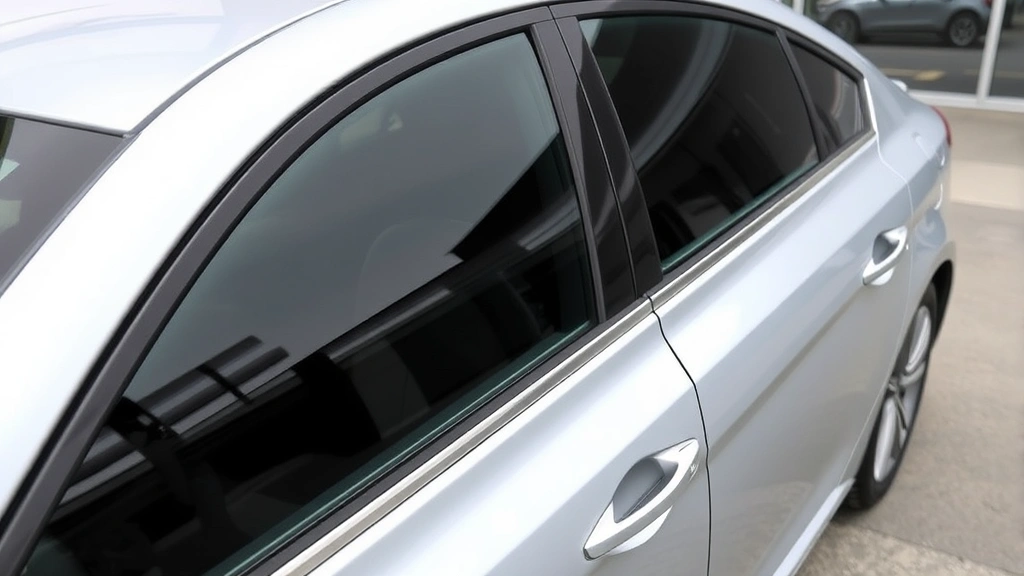
Ohio’s regulations are more permissive for rear and back windows compared to front side windows. Rear side windows and rear windows (back windows) must allow at least 35% of light to pass through them, meaning the VLT percentage must be 35% or higher. This allows vehicle owners more flexibility in selecting darker tint for their rear windows while still maintaining safety standards.
The reason Ohio allows darker tint on rear windows is that these windows don’t directly impact the driver’s forward visibility and don’t require the same level of visibility for safe vehicle operation. Additionally, rear windows are less critical for law enforcement visibility purposes during traffic stops. Many vehicle owners take advantage of this allowance by applying darker tint to rear windows for increased privacy, especially in vehicles with cargo areas or rear seating.
If you have a vehicle with a rear hatchback window or rear windshield (common in SUVs and hatchback cars), this also falls under the 35% VLT requirement. Some vehicle owners combine front window tint at 50% VLT with darker rear window tint at 35% VLT, creating a graduated appearance that maintains legal compliance throughout the vehicle. This approach provides privacy in the rear while maintaining the visibility required for safe driving from the front seats.
” alt=”Professional window tint measurement and installation in automotive shop”/>
Windshield Tinting Restrictions
Ohio has specific and strict regulations governing windshield tinting. The windshield is the most critical window for driver visibility and safety, so Ohio law imposes significant restrictions on tinting this area. According to Ohio Revised Code, tinting is not permitted on the windshield except for a sun visor strip. This sun visor strip can be tinted, but it must be located in the upper portion of the windshield and cannot extend more than a certain distance down from the top.
The sun visor strip restriction exists because it allows some tinting for glare reduction while protecting the critical portion of the windshield directly in the driver’s line of sight. The strip typically cannot extend more than 6 inches from the top of the windshield. This limited allowance recognizes that excessive glare from the sun can impact driving safety, but the state prioritizes maintaining clear forward visibility over aesthetic preferences.
Some drivers are tempted to apply aftermarket tinting products to their windshields for heat rejection or privacy purposes. However, this violates Ohio law and can result in traffic citations. Additionally, windshield tinting can interfere with automatic windshield wipers and defrosting systems, creating additional safety concerns. Law enforcement officers specifically look for windshield tinting violations during traffic stops because the safety implications are significant.
Medical Exemptions and Special Permits
Ohio recognizes that some individuals have legitimate medical reasons for needing darker window tinting than the law typically permits. Certain medical conditions, such as photosensitivity disorders, lupus, porphyria cutanea tarda, and other conditions sensitive to sunlight exposure, may qualify drivers for medical exemptions from standard tint regulations. These medical conditions can make normal sun exposure through standard windows painful or dangerous.
To obtain a medical exemption for window tinting in Ohio, drivers must apply through their local Bureau of Motor Vehicles office. The application process typically requires documentation from a licensed physician confirming the medical condition and stating that darker window tinting is medically necessary. The physician’s statement should explain the specific condition and why standard light transmission levels would be problematic for the patient.
Once approved, drivers receive a medical exemption permit that allows them to have darker window tinting than standard regulations permit. This permit must be carried in the vehicle and presented to law enforcement if stopped. The exemption is typically specific to the vehicle listed on the permit and may need to be renewed periodically. Understanding the difference between standard traffic violations and permitted medical exceptions is important, as certain government entities may have special considerations in how they enforce these regulations.
Penalties and Enforcement
Violations of Ohio’s window tinting laws can result in traffic citations and fines. A violation is typically classified as a minor misdemeanor or traffic infraction, depending on whether it’s the driver’s first offense and other circumstances. First-time violators may face fines ranging from $50 to $150, though specific amounts can vary by jurisdiction. Repeat violations can result in higher fines and may impact vehicle registration.
Law enforcement officers in Ohio are trained to identify window tinting violations during traffic stops. Officers may use specialized light meters to measure the VLT percentage of your windows if they suspect a violation. If the measurement shows that your windows don’t meet Ohio’s standards, the officer will issue a citation. Some jurisdictions are more aggressive in enforcing tint laws than others, but violations can occur anywhere in the state.
Beyond fines, a window tinting violation can affect your vehicle registration. If you receive a citation for illegal window tinting, you may be required to remove the tint and have your vehicle re-inspected before your registration can be renewed. This creates additional costs and inconvenience beyond the initial fine. Some drivers choose to remove tint immediately after receiving a citation to minimize penalties, while others contest citations if they believe their tint complies with state law.
If you receive a tint citation and believe it’s incorrect, you have the right to contest it. This might involve having your windows professionally measured by an independent tint shop or presenting evidence that your windows comply with Ohio law. Some courts allow drivers to demonstrate compliance rather than accepting the officer’s measurement as conclusive. Consulting with a traffic attorney can be helpful if you’re facing a tint violation citation and believe you have a valid defense.
Comparison with Other States
Ohio’s window tint laws are moderately restrictive compared to other states. Some states allow much darker tinting, while others are even more restrictive than Ohio. For example, neighboring states like Pennsylvania and Michigan have different tint regulations, which can be confusing for drivers who travel across state lines. Understanding how Ohio’s laws compare helps drivers recognize that tint that’s legal in one state might be illegal in another.
Some states allow rear window tinting as dark as 20% VLT, while Ohio requires 35% minimum. Other states have no window tinting regulations at all, allowing drivers complete freedom in selecting tint darkness. A few states are even more restrictive than Ohio, requiring higher VLT percentages across all windows. These variations exist because states have different safety priorities and enforcement philosophies regarding window tinting.
Drivers who frequently travel to other states should be aware of the tint laws in those states. If you have legal tint in Ohio but travel to a more restrictive state, your vehicle might violate that state’s laws. Conversely, if you travel from a state with no tint restrictions to Ohio, you may need to have your windows adjusted to comply with Ohio standards. This is particularly important for people who live near state borders or travel frequently for work.
How to Ensure Compliance
The most straightforward way to ensure your vehicle complies with Ohio window tint laws is to work with a reputable, professional window tinting shop. Professional installers understand Ohio’s specific VLT requirements and can select appropriate tint films that will meet legal standards. Many shops will measure your windows after installation to verify compliance, providing you with documentation that your vehicle meets state law.
When selecting a tint shop, ask about their familiarity with Ohio’s specific regulations. Some shops serve multiple states and may not be as familiar with Ohio’s particular VLT percentages. Request that they provide documentation of the VLT percentage of the tint film they’re applying and verify that it will result in legal light transmission levels on your specific vehicle. Professional shops typically stand behind their work and will make adjustments if there are compliance issues.
If you already have tinted windows and are unsure whether they comply with Ohio law, you can have them professionally measured. Many tint shops offer measurement services, sometimes for free. If your windows don’t comply, you have options: you can have darker tint removed and replaced with compliant tint, or you can remove tint entirely. The cost of compliance is typically far less than the cost of repeated citations and registration issues.
For drivers considering tinting their windows, planning ahead ensures compliance. Decide which windows you want to tint and research the appropriate VLT percentages for each. Front windows require 50% VLT or higher, rear windows require 35% VLT or higher, and windshield tinting is essentially prohibited except for sun visor strips. Understanding these requirements before visiting a tint shop prevents misunderstandings and ensures you get legally compliant results.
” alt=”Compliance documentation and legal information regarding automotive window regulations”/>
FAQ
What is the legal tint darkness in Ohio?
Front side windows must allow at least 50% of light through (50% VLT minimum), while rear and back windows must allow at least 35% of light through (35% VLT minimum). The windshield cannot be tinted except for a sun visor strip at the top.
Can I get a medical exemption for darker window tint in Ohio?
Yes, drivers with medical conditions sensitive to sunlight can apply for a medical exemption through their local Bureau of Motor Vehicles office. You’ll need documentation from a licensed physician explaining your condition and why darker tinting is medically necessary.
What are the penalties for illegal window tint in Ohio?
Violations are typically minor misdemeanors or traffic infractions with fines ranging from $50 to $150 for first offenses. Repeat violations can result in higher fines, and you may be required to remove the tint and have your vehicle re-inspected before registration renewal.
How is window tint darkness measured?
Window tint darkness is measured as Visible Light Transmission (VLT) percentage, which represents the percentage of visible light that passes through the window and tint combination. Professional light meters are used to measure VLT accurately.
Can I tint my windshield in Ohio?
No, you cannot tint your windshield in Ohio except for a sun visor strip in the upper portion. The strip cannot extend more than about 6 inches from the top of the windshield.
Do I need to remove my tint if I move to Ohio?
If your tint is darker than Ohio’s legal limits, you should have it adjusted to comply with Ohio law. Driving with illegal tint can result in citations and registration issues.
How can I verify my window tint is legal in Ohio?
Professional window tinting shops can measure your windows using light meters to verify VLT percentages. Many shops offer this service for free or a small fee and provide documentation of compliance.


