
Navigating Oregon Gun Laws: Attorney Insights
Oregon’s firearms regulations represent a complex intersection of state and federal law, shaped by decades of legislative evolution and judicial interpretation. Whether you’re a gun owner, prospective purchaser, or firearms enthusiast, understanding these laws is essential to ensure lawful compliance and protect your constitutional rights. Oregon maintains relatively moderate gun regulations compared to some states, but recent legislative changes have significantly altered the landscape for firearm ownership, possession, and use.
The state’s approach to gun regulation balances Second Amendment protections with public safety concerns. From background check requirements to concealed carry permits, Oregon law touches nearly every aspect of firearm acquisition and use. This comprehensive guide, informed by legal expertise, walks you through the critical provisions that affect gun owners and those considering firearm ownership in the state.
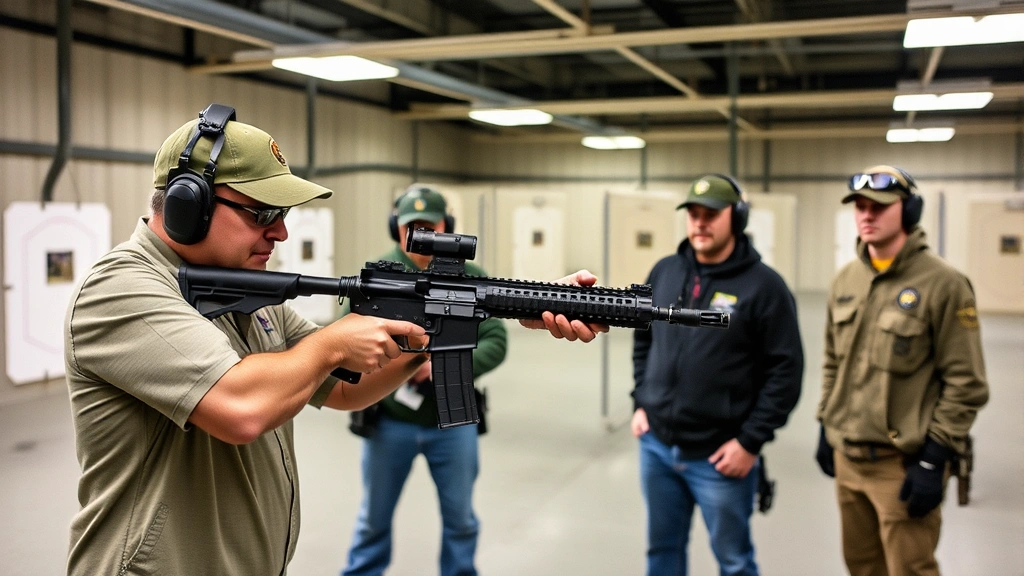
Oregon’s Constitutional Framework for Gun Rights
Oregon’s approach to firearm regulation begins with the state constitution. Article I, Section 27 of the Oregon Constitution states: “The people shall have the right to bear arms for the defence of themselves, and the State, but the Military shall be kept in strict subordination to the civil power.” This provision has been interpreted by Oregon courts as providing broader protections than the Second Amendment in some contexts, though courts have also upheld reasonable regulations as constitutional.
The relationship between Oregon law and federal firearms regulations creates a dual regulatory system. Federal law, including the Brady Act and National Firearms Act, applies uniformly across the country and establishes baseline requirements. However, Oregon frequently imposes additional restrictions beyond federal minimums. Understanding this layered system is crucial because violating either state or federal law can result in serious criminal penalties.
Recent Oregon court decisions have examined the scope of the state constitutional right to bear arms. The Oregon Supreme Court has generally upheld the state’s ability to regulate firearms in the interest of public safety, particularly regarding background checks and permit requirements. However, courts have struck down certain regulations they deemed overly restrictive or lacking proper justification. This evolving legal landscape means that statutory law interpretations can shift, making it important to stay informed about current regulations.

Background Checks and Firearm Purchases
Oregon law requires background checks for all firearm purchases, whether from licensed dealers or private sellers. This universal background check requirement, enacted through Measure 114 in 2022, represents one of the most significant recent changes to Oregon gun laws. The requirement applies to virtually all firearm transfers, with limited exceptions for certain family members and law enforcement.
When purchasing a firearm from a licensed dealer, the buyer must pass a National Instant Criminal Background Check System (NICS) check. The dealer submits the background check request, which typically completes within minutes to hours. However, if the check is delayed, Oregon allows up to 10 business days for resolution before the dealer may transfer the firearm. This “default proceed” provision means that even if the background check isn’t completed within the timeframe, the transfer may proceed unless there’s an explicit denial.
Private sales now require transfers through licensed dealers who conduct background checks. This represents a substantial shift from Oregon’s previous system and has created practical challenges for firearm owners. Individuals selling firearms to non-family members must now involve a licensed dealer, who charges a fee for conducting the background check and facilitating the transfer. Understanding these requirements helps gun owners avoid inadvertent violations that could result in felony charges.
Prohibited persons under Oregon law cannot legally possess firearms. These individuals include those convicted of felonies, domestic violence offenders, individuals subject to protective orders, and those adjudicated as mentally ill. The background check system screens for these disqualifying factors. If you believe you’ve been wrongly denied a firearm purchase, Oregon provides procedures for appealing the denial through the Oregon State Police.
Concealed Carry Permits and Requirements
Oregon maintains a “shall-issue” concealed carry permit system, meaning the state must issue permits to qualified applicants. However, recent legislation has added significant new requirements that substantially changed the concealed carry landscape. As of January 1, 2024, Oregon’s new permit system requires applicants to complete training and meet additional eligibility criteria.
The new concealed carry permit requires proof of completion of a certified firearms safety course before application. The course must cover firearm safety, handling, storage, and Oregon law. Various organizations throughout Oregon offer these courses, which typically range from 4 to 8 hours. This training requirement represents a meaningful change from the previous system and ensures that permitted carriers have basic firearms safety knowledge.
Applicants must be at least 21 years old (or 18 for military members) and Oregon residents. They cannot have disqualifying criminal convictions, active protective orders, or other legal impediments to firearm possession. The permit application process involves submitting documentation to your county sheriff’s office, which has 45 days to issue or deny the permit. Sheriffs have limited discretion in denying applications; they must provide written reasons if they deny a permit to a qualified applicant.
Concealed carry permits are valid for five years and must be renewed before expiration. The renewal process also requires proof of completing a training course within the previous five years. Oregon recognizes concealed carry permits from certain other states through reciprocity agreements, though out-of-state residents cannot obtain Oregon permits. Understanding your legal rights regarding permit denial is important if your application is rejected.
Restricted Firearms and Prohibited Weapons
Oregon law restricts ownership of certain types of firearms and weapons. While the state permits ownership of most commonly available firearms, some categories face significant limitations. Understanding which firearms are legal is essential before purchasing.
Fully automatic weapons are prohibited under Oregon law, consistent with federal restrictions. Manufacturing, possessing, or transferring fully automatic firearms without proper federal licensing results in felony charges. Pre-1986 registered machine guns with proper federal tax stamps may be legally possessed, but this requires extensive federal compliance and documentation.
Certain firearms and devices are restricted or prohibited outright. Oregon law prohibits the manufacture, importation, and sale of certain semi-automatic rifles defined as “assault weapons,” though the definition has been subject to legal challenges. The law specifically restricts magazines capable of holding more than 10 rounds for rifles and more than 17 rounds for handguns. These ammunition capacity restrictions apply to all firearms, regardless of type.
Short-barreled rifles and shotguns are regulated under federal law and require federal registration and a tax stamp. Possession without proper federal licensing is a federal crime. Silencers and suppressors are legal under Oregon law but require federal registration and tax stamp compliance. Improvised or unregistered suppressors are illegal under both state and federal law.
Stun guns and electronic weapons are legal to possess under Oregon law, but their use is restricted by assault and battery statutes. Brass knuckles are prohibited in Oregon. Understanding these specific restrictions prevents unintended legal violations and helps ensure your firearm collection complies with applicable law.
Ammunition Regulations and Sales
Oregon’s ammunition regulations have evolved significantly in recent years. The state requires background checks for all ammunition purchases, implemented through Measure 114. This requirement applies to all ammunition sales, whether from licensed dealers or private sellers, with limited exceptions.
Licensed ammunition dealers must conduct background checks using the same NICS system as firearm purchases. The background check must clear before the ammunition sale completes. Private sales of ammunition also trigger background check requirements when conducted through licensed dealers. This requirement has created logistical challenges for shooters and hunters who purchase ammunition in volume.
Certain ammunition types face restrictions under Oregon law. Armor-piercing ammunition designed to penetrate body armor is prohibited. However, common rifle and handgun ammunition generally remains legal. Shotgun ammunition is largely unrestricted, though hollow-point ammunition regulations vary depending on jurisdiction and use context.
Oregon does not currently maintain a state-level ammunition registration system, though this has been proposed in legislative sessions. The background check requirement effectively creates a transaction record, as dealers must document ammunition sales. Understanding these regulations is particularly important for hunters and sport shooters who regularly purchase ammunition in volume.
Firearm Storage and Safe Handling Laws
Oregon law does not mandate firearm storage in locked containers or safes at this time, though this remains an area of ongoing legislative debate. However, parents and guardians have legal responsibility to prevent access to firearms by unauthorized persons, particularly minors. Negligent storage that results in injury or death can result in civil liability and potential criminal charges.
Responsible firearm ownership includes implementing safety measures such as safe storage, trigger locks, and keeping ammunition separately stored. These practices protect against unauthorized access, theft, and accidents. While not legally mandated in all contexts, safe storage practices are strongly recommended and may affect liability in certain situations.
When carrying a concealed firearm in public, Oregon law requires that the firearm be in a holster that covers the trigger guard and secures the firearm. This requirement applies to all concealed carry permit holders. Additionally, permit holders cannot carry in certain restricted locations, including courthouses, police stations, and private property where posted signs prohibit firearms.
Open carry of firearms is legal in Oregon for individuals not prohibited from possessing firearms. However, open carry in certain locations, such as those posted against firearms, may result in trespassing charges. Understanding the distinction between open and concealed carry and the locations where each is permitted is important for lawful firearm possession.
Penalties for Violations
Oregon gun law violations carry serious criminal penalties. Unauthorized firearm possession by a prohibited person is typically charged as a felony, with sentences ranging from months to years depending on the specific violation and criminal history. Felon in possession charges are particularly common and carry mandatory minimum sentences in many cases.
Violating background check requirements or conducting unlawful transfers can result in felony charges for both the transferor and transferee. These charges carry significant prison time and permanent loss of firearm rights. Additionally, federal charges may apply if federal law is violated, potentially resulting in federal prosecution and imprisonment.
Violating concealed carry restrictions, such as carrying in prohibited locations or without a valid permit, results in misdemeanor or felony charges depending on the specific violation. Carrying a loaded firearm in public without a valid concealed carry permit is a crime. Understanding where you can legally carry is essential to avoid unintended violations.
Ammunition regulation violations carry similar penalties to firearm violations. Purchasing ammunition while prohibited or transferring ammunition without background checks can result in misdemeanor or felony charges. These violations often compound other firearm charges, resulting in enhanced sentences.
Civil liability also attaches to firearm-related incidents. Negligent storage, failure to secure firearms, and reckless handling can result in civil lawsuits from injured parties. Insurance coverage for these incidents is limited, making prevention through responsible practices essential. Consulting with an attorney if you face firearm-related charges is critical to protecting your rights and mounting an effective defense.
FAQ
Do I need a permit to own a firearm in Oregon?
Oregon does not require a permit to own a firearm, but you must pass a background check when purchasing. If you want to carry a concealed firearm, you must obtain a concealed carry permit from your county sheriff’s office, which now requires completing a certified firearms safety course.
Can I carry a loaded firearm in my vehicle in Oregon?
Yes, you may carry a loaded firearm in your vehicle without a concealed carry permit, provided you’re not otherwise prohibited from possessing firearms. However, the firearm must not be readily accessible, and you should store it safely. If you want to carry the firearm on your person while driving, you need a valid concealed carry permit.
What are the penalties for carrying a firearm without a permit in Oregon?
Carrying a concealed firearm without a valid permit is a misdemeanor in Oregon, punishable by up to one year in jail and a $6,250 fine. If you’re a prohibited person carrying any firearm, the charges escalate to felony level with significantly harsher penalties.
Are there restrictions on purchasing ammunition in Oregon?
Yes, all ammunition purchases require background checks. You cannot purchase ammunition if you’re prohibited from possessing firearms. Ammunition dealers must conduct NICS checks before completing sales, similar to firearm purchases.
What should I do if my concealed carry permit application is denied?
If your permit application is denied, the sheriff must provide written reasons. You have the right to appeal the denial. Consulting with an attorney experienced in Oregon gun law can help you understand your options and pursue an appeal if the denial was improper.
Can I legally own an AR-15 in Oregon?
Certain semi-automatic rifles meeting Oregon’s “assault weapon” definition face restrictions, though these laws have been subject to legal challenges. Many AR-15 configurations may be restricted or prohibited depending on their specific features. Consulting with a dealer or attorney about your specific firearm is recommended to ensure compliance.
What is Oregon’s reciprocity policy for concealed carry permits?
Oregon recognizes concealed carry permits from certain other states, though the list changes periodically. Oregon does not issue permits to non-residents. Check with the Oregon State Police for current reciprocity agreements if you hold an out-of-state permit.
Are there any locations where I cannot carry a firearm in Oregon?
Yes, firearms are prohibited in courthouses, police stations, and other government buildings. Private property owners can prohibit firearms by posting signs. Schools, college campuses, and certain federal buildings also restrict firearms. Always check local regulations before carrying in unfamiliar areas.


