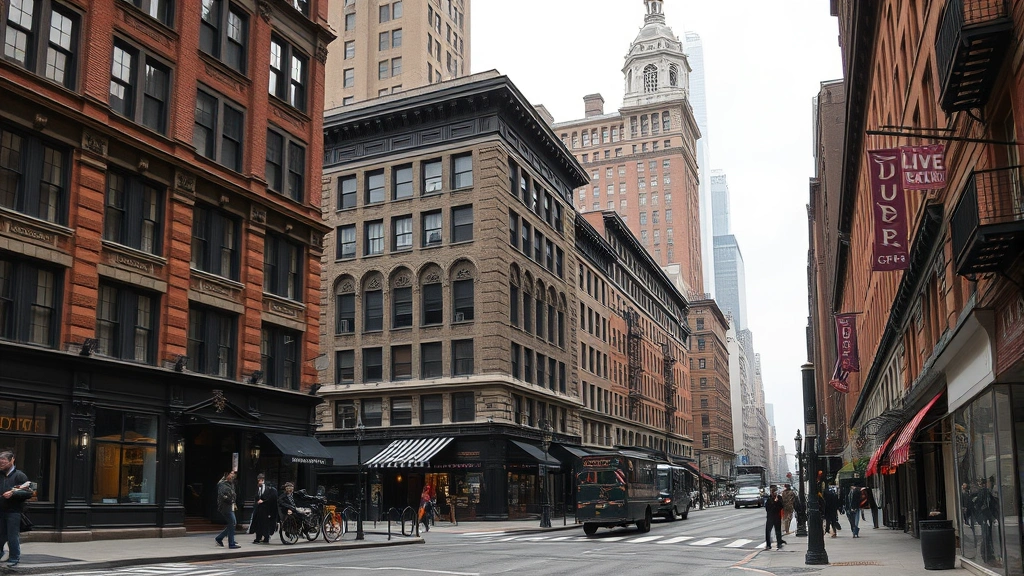
What Is Raines Law? Legal Insight into New York’s Historic Liquor Legislation
The Raines Law represents one of the most significant and controversial pieces of liquor legislation in American history. Enacted in New York State in 1896, this law fundamentally transformed the landscape of drinking establishments and social customs across the state. Named after its primary sponsor, State Senator John Raines, the legislation was designed to restrict alcohol consumption and regulate the sale of intoxicating beverages. However, the law’s implementation produced unintended consequences that shaped urban culture, legal precedent, and public health policy for decades to come.
Understanding the Raines Law requires examining both its stated objectives and its actual impact on New York society. While lawmakers intended to reduce alcohol-related harm and moral decay, the law inadvertently created new categories of establishments and altered drinking patterns in ways that defied the legislators’ original intentions. This historical legal framework offers valuable lessons about regulatory policy, unintended consequences, and the complex relationship between law and social behavior.
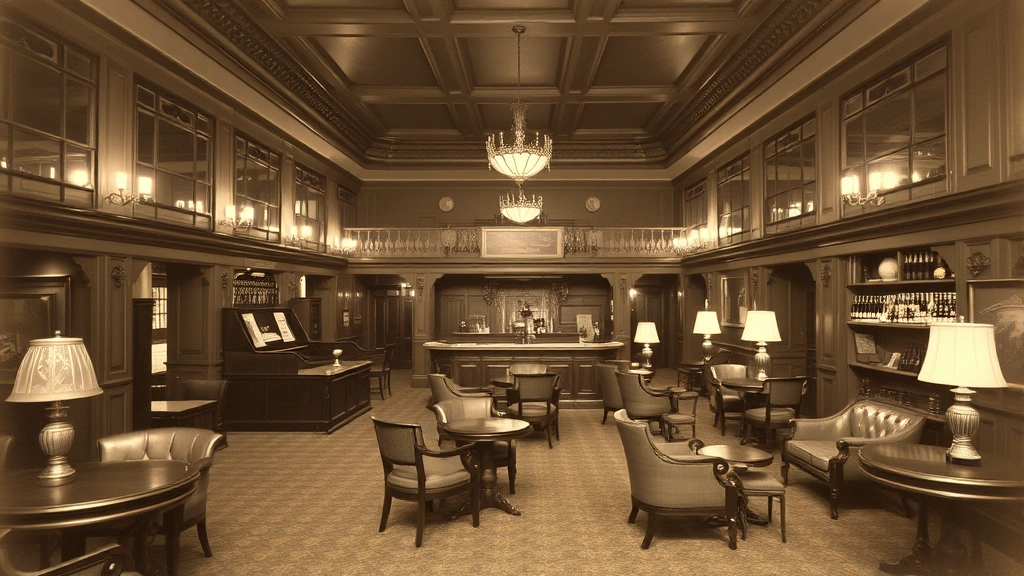
Historical Background and Origins of the Raines Law
The Raines Law emerged during a period of significant social reform in late 19th-century America. The 1890s witnessed growing temperance movements, progressive politics, and widespread concern about alcohol’s social consequences. New York, as the nation’s largest and most populous state, became a focal point for these debates. Saloons were ubiquitous in urban areas, particularly in working-class neighborhoods, and they served as gathering places where alcohol consumption was often excessive and unregulated.
Senator John Raines and his supporters believed that strict regulation could mitigate the negative effects of alcohol on society. The temperance movement had gained considerable momentum, with many advocates viewing saloons as dens of vice and moral corruption. Raines and other reformers sought legislation that would reduce access to alcohol while maintaining some level of legitimate business activity. The law reflected the values of Progressive Era reformers who believed government intervention could solve social problems through careful regulation and moral suasion.
The passage of the Raines Law in 1896 represented a compromise between complete prohibition advocates and those who accepted moderate alcohol consumption. New York would eventually become a leader in liquor regulation, though not always in the way legislators anticipated. The law set precedents for how states could regulate intoxicating beverages and became a model that other jurisdictions studied and sometimes emulated.
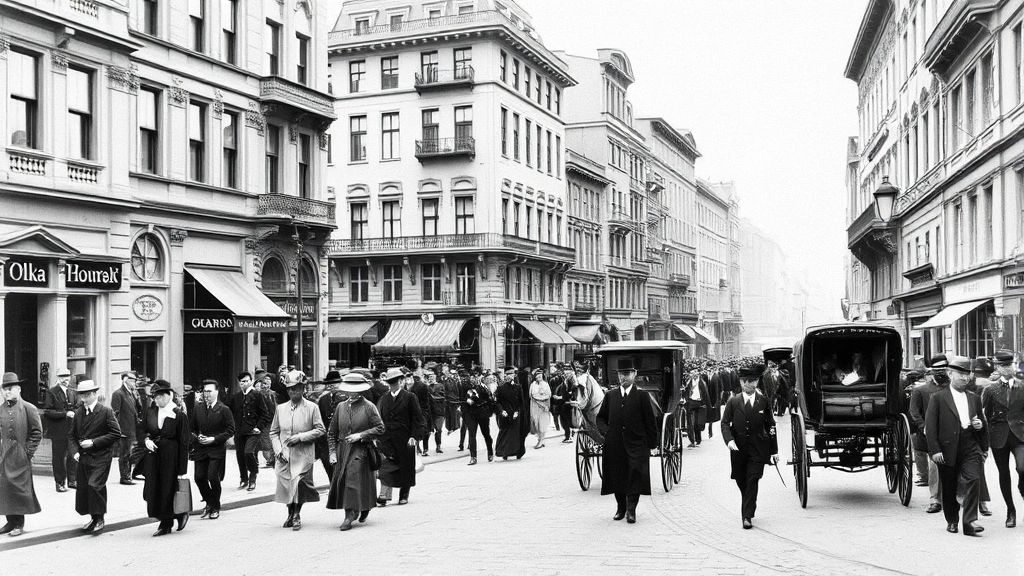
Key Provisions and Regulations
The Raines Law contained several specific provisions designed to restrict alcohol availability and regulate its sale. The legislation prohibited the sale of alcohol on Sundays, a measure that reflected both religious values and the desire to limit drinking opportunities. This Sunday ban became one of the law’s most contentious and frequently violated provisions, creating ongoing conflicts between enforcement officials and business operators.
The law also restricted where alcohol could be sold. Crucially, it allowed alcohol to be served in hotels but prohibited its sale in standalone saloons. This distinction created a legal loophole that would become the defining characteristic of Raines Law implementation. The legislation defined a hotel as any establishment that provided food and lodging, but the specific requirements for what constituted adequate hotel services remained ambiguous and subject to interpretation.
Another significant provision involved licensing requirements and regulations. The law established a licensing system that gave government authorities control over who could legally sell alcohol and under what conditions. These licensing provisions created opportunities for corruption, as business operators sought licenses and officials wielded considerable discretionary power. The law also included penalties for violations, though enforcement proved inconsistent and uneven across different jurisdictions and time periods.
The legislation attempted to regulate the hours of operation, with restrictions on when alcohol could be sold. These temporal restrictions were intended to reduce nighttime drinking and associated disorder. However, like other provisions, these hour restrictions would be circumvented through creative interpretations and enforcement challenges.
The Raines Law Room Phenomenon
The most distinctive and historically significant consequence of the Raines Law was the emergence of “Raines Law rooms.” These establishments exploited the hotel exemption by technically operating as hotels while primarily functioning as saloons. A typical Raines Law room consisted of a bar on the ground floor with a small room or rooms upstairs that could be rented to customers, often by the hour. This arrangement allowed operators to claim hotel status and therefore legally serve alcohol, despite the establishment’s primary purpose being the sale of drinks rather than lodging.
The Raines Law room became a distinctive feature of New York urban landscape, particularly in Manhattan. These establishments proliferated because they provided a legal mechanism to continue the saloon business despite the law’s restrictions. Operators would furnish upstairs rooms with minimal furniture—often just a bed or couch—to satisfy the technical requirements of being a hotel. Some rooms were rented to couples seeking privacy, while others served as meeting spaces where customers could consume alcohol in a quasi-private setting.
These establishments created a unique social space that blurred the boundaries between public and private, commercial and intimate. The Raines Law room became associated with various social activities beyond mere drinking, including gambling, prostitution, and other illicit activities. The rooms provided venues where social norms could be relaxed and where certain behaviors tolerated in private spaces became possible in semi-public settings. This phenomenon illustrates how legal restrictions can produce unintended social consequences when regulated activities find alternative venues.
The Raines Law room also had significant implications for gender and class dynamics. These establishments attracted diverse clientele and created spaces where conventional social hierarchies could be temporarily suspended. The rooms became subjects of sociological study and journalistic investigation, with reformers documenting conditions and activities within them. This documentation provides valuable historical evidence about urban social life during the period.
Legal and Social Consequences
The implementation of the Raines Law produced consequences that differed markedly from what legislators intended. Rather than reducing alcohol consumption or improving public morality, the law contributed to the proliferation of new types of drinking establishments. The creative legal interpretations used to establish Raines Law rooms demonstrated how regulations could be circumvented through technical compliance with statutory language while violating the spirit of the legislation.
The law also had significant class implications. Wealthy individuals could access alcohol through hotels, restaurants, and clubs that easily satisfied the statutory requirements for legitimate hotel operations. Working-class drinkers, however, faced more severe restrictions and were more likely to patronize Raines Law rooms or engage in illegal drinking. This inequality in enforcement and access created disparities in how the law affected different social groups, a pattern common in regulatory schemes throughout legal history.
From a legal perspective, the Raines Law generated numerous court cases involving disputes over what constituted a legitimate hotel under the statute. Courts had to interpret ambiguous statutory language and determine whether specific establishments qualified for the hotel exemption. These judicial decisions shaped how the law was applied and sometimes created opportunities for further legal maneuvering. Judges grappled with questions about legislative intent versus literal statutory language, issues that remain central to legal interpretation today.
The law also influenced public health and safety outcomes. Rather than reducing alcohol-related harm, the Raines Law rooms often operated under poor sanitary conditions and without adequate safety features. The semi-legal status of these establishments meant they operated outside normal health and safety regulations, potentially increasing risks to patrons. The concentration of alcohol sales in these venues may have intensified drinking patterns and associated harms in specific locations.
Enforcement Challenges and Corruption
The enforcement of the Raines Law proved extraordinarily difficult and became a major source of corruption in New York government. Police officers, licensing officials, and other authorities faced constant pressure from business operators seeking to circumvent restrictions. The substantial profits available from alcohol sales created strong incentives for corruption, and many officials accepted bribes to overlook violations or to facilitate illegal operations.
The licensing system created particular opportunities for corrupt practices. Officials who controlled licensing decisions wielded enormous power over business operators. Some officials allegedly demanded payments or favors in exchange for granting or renewing licenses. Others accepted bribes to ignore violations. This corruption was so pervasive that it became a major focus of progressive reformers and investigative journalists who sought to expose and eliminate graft in government.
Enforcement was also inconsistent across different neighborhoods and jurisdictions. Some areas experienced vigorous enforcement while others saw minimal police activity. These disparities often reflected political considerations, corruption patterns, and the relative power of different communities. Working-class neighborhoods sometimes experienced more aggressive enforcement than wealthier areas, reflecting broader patterns of unequal legal treatment based on class and social status.
The difficulty of enforcing the Raines Law highlighted fundamental challenges in regulatory implementation. When regulations conflict significantly with public demand and economic incentives, enforcement becomes extremely difficult and corruption-prone. This lesson became relevant to later regulatory efforts, including Prohibition, which faced similar enforcement challenges on a much larger scale.
Repeal and Legacy
The Raines Law remained in effect for several decades but gradually lost support as its failures became apparent. Reformers who had championed the law recognized that it had failed to achieve its objectives. The emergence of Raines Law rooms, the widespread corruption, and the continued prevalence of drinking establishments demonstrated that the regulatory approach had not produced the desired social outcomes. Additionally, changing attitudes toward alcohol and shifting political priorities reduced enthusiasm for temperance-focused legislation.
The law was eventually modified and ultimately repealed as part of broader shifts in alcohol policy. New York’s experience with the Raines Law influenced how other jurisdictions approached alcohol regulation. Rather than attempting to restrict availability through location-based regulations, policymakers increasingly focused on direct prohibition or comprehensive regulatory schemes. The Raines Law’s failures contributed to arguments for complete prohibition, which was eventually adopted nationally through the Eighteenth Amendment in 1919.
The legacy of the Raines Law extends beyond its direct effects on alcohol policy. The law demonstrated how regulatory schemes can produce unintended consequences when they conflict with public demand and economic incentives. It illustrated the challenges of enforcement when regulations lack sufficient public support. The law also provided a case study in how legal language can be creatively interpreted to circumvent regulatory intent, a pattern that continues to influence legal scholarship and policy debates.
From a historical perspective, the Raines Law represents an important chapter in New York’s legal and social history. The law shaped urban development, influenced social interactions, and generated significant legal and political debate. Scholars of law, history, and public policy continue to study the Raines Law as an example of regulatory failure and unintended consequences. Understanding this law provides valuable insights into how legal systems respond to social problems and how communities adapt to legal restrictions.
For those interested in learning more about related legal concepts, understanding alternative dispute resolution mechanisms can provide context for how societies address conflicts beyond traditional enforcement. Additionally, examining the rights of crime victims offers perspective on how legal systems protect individuals from harm related to activities the Raines Law attempted to regulate.
FAQ
What exactly was the Raines Law?
The Raines Law was a New York State law enacted in 1896 that restricted the sale and consumption of alcohol. It prohibited Sunday alcohol sales and restricted where alcohol could be sold, with an exemption for hotels. The law was named after State Senator John Raines and represented a major attempt at alcohol regulation during the Progressive Era.
Why were Raines Law rooms created?
Raines Law rooms emerged because the law exempted hotels from its restrictions. Business operators exploited this exemption by technically operating as hotels while primarily functioning as saloons. These establishments had small rental rooms upstairs to satisfy the hotel requirement, allowing them to legally serve alcohol despite the law’s intent to restrict saloon operations.
How did the Raines Law affect New York society?
Rather than reducing alcohol consumption, the Raines Law produced new types of drinking establishments and contributed to corruption in law enforcement. The law created class-based disparities in enforcement and generated unintended social consequences. It demonstrated how legal restrictions can be circumvented and influenced subsequent alcohol policy debates, including arguments for complete prohibition.
What were the main enforcement problems with the Raines Law?
Enforcement proved extremely difficult due to corruption among officials, inconsistent application across neighborhoods, and the strong economic incentives for violation. Licensing officials faced pressure to accept bribes, and police officers often overlooked violations in exchange for payments. These enforcement challenges ultimately contributed to the law’s failure and eventual repeal.
How did the Raines Law influence later alcohol policy?
The Raines Law’s failures contributed to arguments for more comprehensive approaches to alcohol regulation. The law demonstrated that location-based restrictions alone could not effectively control alcohol availability. These lessons influenced the push for national Prohibition, which was eventually adopted through the Eighteenth Amendment in 1919.
What legal issues did the Raines Law generate?
The law generated numerous court cases involving disputes over what constituted a legitimate hotel under the statute. Courts had to interpret ambiguous statutory language and determine whether specific establishments qualified for exemptions. These judicial decisions shaped how the law was applied and influenced legal interpretation principles that remain relevant today.
Are there modern parallels to the Raines Law?
The Raines Law provides historical perspective on modern regulatory challenges. Similar patterns of circumvention and unintended consequences appear in contemporary regulations addressing various industries and activities. The law illustrates how regulations that conflict significantly with public demand and economic incentives face substantial implementation challenges.
Where can I learn more about the Raines Law and alcohol regulation history?
The Cornell University Library maintains historical collections on New York legislation and social history. The New York State Bar Association provides resources on state legal history. Additionally, the Library of Congress contains comprehensive historical documentation about alcohol policy and regulation in America.


