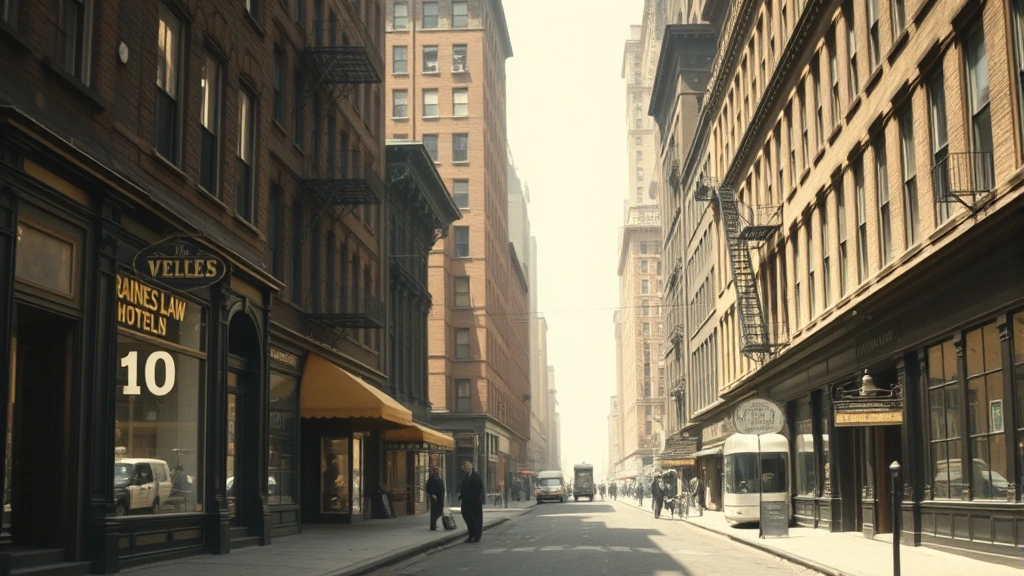
What Is the Raines Law? Legal History Explored
The Raines Law stands as one of the most peculiar pieces of American legislation, enacted in New York State in 1896 with the intention of regulating alcohol consumption and promoting public morality. Named after State Senator John Raines, who championed its passage, this law attempted to restrict the sale of liquor by limiting when and where alcohol could be purchased. However, the law’s unintended consequences became legendary in legal and social history, creating a loophole that fundamentally changed the landscape of New York’s hospitality industry and became a cautionary tale about poorly crafted legislation.
What makes the Raines Law particularly fascinating to legal scholars and historians is not what it accomplished, but rather how it failed spectacularly. Instead of reducing alcohol consumption, the law inadvertently created an entirely new category of establishments—the so-called “Raines Law hotels”—that proliferated throughout New York City and became synonymous with vice and corruption. Understanding this law requires examining its original purpose, the loophole that undermined it, and the broader implications for how legislation can produce outcomes opposite to its intent.
The Origins and Purpose of the Raines Law
In the latter decades of the nineteenth century, New York State was experiencing rapid urbanization and social transformation. The temperance movement, which sought to reduce or eliminate alcohol consumption, had gained considerable political momentum across America. Reformers and moral activists believed that unrestricted access to alcohol was responsible for poverty, crime, domestic violence, and moral degradation in urban communities.
Senator John Raines introduced legislation designed to control the liquor trade by imposing strict regulations on where and when alcohol could be sold. The law, which took effect on May 10, 1896, contained several key provisions: saloons were prohibited from selling liquor on Sundays, sales were restricted to certain hours on weekdays, and licenses were required for any establishment selling alcohol. The intent was straightforward—reduce alcohol availability and thereby improve public health and morality.
The law reflected the values of the Progressive Era, when reformers believed that legislative solutions could address complex social problems. However, the drafters of the Raines Law failed to anticipate how creative business operators would respond to these restrictions, a failure that demonstrates the importance of careful legal draftsmanship and unintended consequences analysis.
How the Loophole Created Raines Law Hotels
The critical loophole in the Raines Law lay in a single provision: while the law prohibited saloons from selling liquor for off-premises consumption on Sundays and limited weekday hours, it explicitly exempted hotels. Hotels could legally serve alcohol to guests at any time, including Sundays. This exemption was intended to allow legitimate hospitality establishments to serve their registered guests, but enterprising businessmen quickly recognized the opportunity.
Saloon owners throughout New York City began converting their establishments into hotels almost overnight. They would add a few bedrooms upstairs—often just small, spartan rooms that were rarely actually rented—and suddenly their saloon became a “hotel” exempt from the restrictions. These establishments became known as Raines Law hotels, and they proliferated with remarkable speed. By some estimates, hundreds of these fake hotels opened in Manhattan alone within months of the law’s implementation.
The typical Raines Law hotel operated as follows: customers would enter what looked like a saloon, order drinks, and if they needed to stay, they could rent a room upstairs. However, the rooms were often filthy, poorly maintained, and primarily existed to satisfy the legal requirement of being a “hotel.” Many of these establishments became notorious for their unsavory activities, including illegal behavior and harassment of patrons, gambling, and prostitution.
This response to the Raines Law illustrates a fundamental principle in regulatory law: when legislators fail to account for creative workarounds, businesses will exploit those gaps. The law had inadvertently created not a more moral society, but rather a proliferation of unregulated establishments that were, in many respects, far worse than the original saloons.
The Famous Raines Law Room at the William Hotel
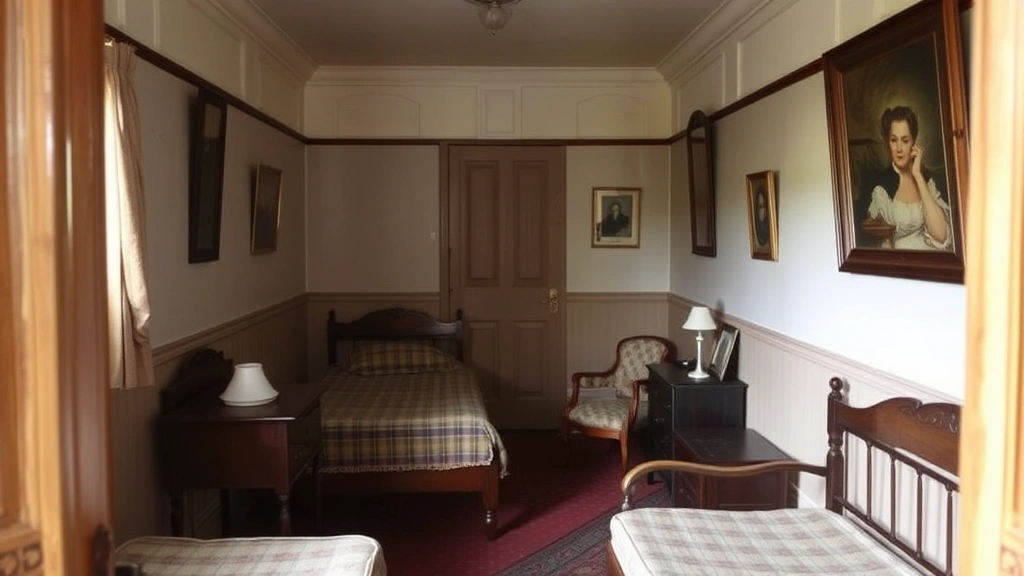
Among the most notorious Raines Law hotels was the William Hotel, located in Manhattan. The hotel became famous—or infamous—for its “Raines Law room,” a small space that exemplified the absurdity of the legal loophole. This room, which was technically necessary to comply with the hotel designation, became a symbol of regulatory failure and the law of unintended consequences.
The Raines Law room at the William Hotel became such a well-known reference point that it entered the lexicon of New York City slang and popular culture of the era. Journalists, reformers, and legal commentators frequently cited it as evidence that the Raines Law had failed in its fundamental purpose. Rather than reducing alcohol consumption and improving morality, the law had simply driven the trade underground and created worse conditions than before.
Historians and legal scholars have extensively documented the conditions in these establishments. The rooms were typically small, poorly lit, and minimally furnished. They served no legitimate hospitality purpose; their sole function was to provide the legal fiction necessary to classify the establishment as a hotel. This blatant circumvention of the law’s intent was widely recognized, but the legal system struggled to address it effectively.
Legal and Social Consequences
The proliferation of Raines Law hotels created numerous legal and social problems. Law enforcement agencies struggled to enforce regulations against establishments that technically complied with the letter of the law while violating its spirit. Prosecutors faced challenges in demonstrating that these were not legitimate hotels, and judges had difficulty fashioning remedies when the establishments met the statutory definition.
The social consequences were equally problematic. Rather than creating a more virtuous society, the Raines Law contributed to the growth of organized crime, police corruption, and vice industries in New York. Criminal organizations exploited the regulatory environment created by the law, and corrupt police officers received bribes to overlook illegal activities in these establishments. This situation parallels modern concerns about how workplace misconduct and harassment can flourish when oversight mechanisms are inadequate.
The law also created perverse incentives for legitimate hoteliers. Honest hotel operators who maintained genuine guest facilities found themselves competing with establishments that operated primarily as saloons but claimed hotel status. This unfair competition raised questions about regulatory equity and the importance of enforcement mechanisms in legislation.
Furthermore, the Raines Law highlighted the challenges in regulating moral behavior through criminal law. Reformers had assumed that legal prohibitions would change behavior, but they had underestimated human ingenuity and the profit motive. The law became a textbook example of how prohibition-based legislation often fails without comprehensive enforcement mechanisms and careful attention to potential loopholes.
Repeal and Legacy
The Raines Law remained in effect for several decades, but its failure became increasingly apparent to legislators and the public. The law was eventually repealed in 1926, following the passage of the Eighteenth Amendment and the Volstead Act, which implemented nationwide Prohibition. However, the Raines Law’s legacy extended far beyond its repeal date.
Legal scholars and policymakers have studied the Raines Law as a cautionary tale about the importance of careful legislative draftsmanship. The law demonstrated that good intentions are insufficient; legislators must anticipate potential loopholes and design enforcement mechanisms that address likely evasion strategies. This lesson has influenced how modern legislation is drafted, particularly in regulatory contexts where businesses have strong incentives to circumvent legal restrictions.
The Raines Law also contributed to broader debates about the limits of criminal law as a tool for social reform. If prohibition-based approaches cannot effectively change behavior without comprehensive enforcement, what alternatives exist? This question has shaped discussions about drug policy, environmental regulation, and consumer protection laws. Some scholars argue that the Raines Law experience supports market-based approaches or education-focused strategies rather than pure prohibition.
Additionally, the law illustrates principles relevant to modern regulatory challenges. When considering how to file complaints with regulatory agencies or navigate complaint processes, understanding how regulations can be circumvented helps citizens and advocates identify when enforcement is necessary. The Raines Law reminds us that regulations require vigilant oversight.
The historical record shows that Prohibition itself, which followed decades after the Raines Law, repeated many of the same mistakes. Prohibition created even more extensive opportunities for criminal enterprise and corruption than the Raines Law had, suggesting that policymakers had not fully learned the lessons of New York’s earlier experiment with alcohol regulation. This parallel demonstrates how legal history can inform current policy debates about drug policy, gambling regulation, and other areas where prohibition-based approaches are considered.
Modern legal analysis of the Raines Law also considers principles of constitutional law. Some scholars argue that the law’s vagueness and the difficulty in distinguishing legitimate hotels from illegal establishments raised questions about due process and fair notice that would concern contemporary courts. The law’s failure to clearly define what constituted a genuine hotel versus a Raines Law hotel created uncertainty about legal obligations, a problem that modern legislation attempts to avoid through precise definitions and clear standards.
Furthermore, the Raines Law experience has influenced how legislatures approach exemptions and special provisions in regulatory statutes. Modern drafters are more cautious about creating broad exemptions without clearly defining their scope and limits. The lesson is that exemptions must be carefully crafted to achieve their intended purpose without creating unintended loopholes. Whether addressing procedures for filing reports with authorities or initiating legal proceedings, modern legislation incorporates lessons about the importance of precise language and comprehensive provisions.
FAQ
What exactly was the Raines Law?
The Raines Law was New York State legislation enacted in 1896 that restricted the sale of alcoholic beverages by prohibiting Sunday sales and limiting weekday sales hours. It was intended to reduce alcohol consumption and promote public morality but included an exemption for hotels, which became the source of a major loophole.
Why was the Raines Law created?
The law was created in response to the temperance movement’s efforts to reduce alcohol consumption and address associated social problems including poverty, crime, and domestic violence. Reformers believed that restricting alcohol access would improve public health and morality in rapidly urbanizing New York.
What was the main loophole in the Raines Law?
The law exempted hotels from its restrictions, allowing them to serve alcohol at any time. Saloon owners responded by adding a few bedrooms to their establishments and reclassifying themselves as hotels, creating the notorious “Raines Law hotels” that operated primarily as saloons while maintaining the legal fiction of hotel status.
What was a Raines Law hotel room?
A Raines Law hotel room was typically a small, poorly maintained bedroom added to a saloon to satisfy the legal requirement of being classified as a hotel. These rooms rarely served legitimate hospitality purposes; they existed solely to provide legal cover for alcohol sales that would otherwise be prohibited.
What happened to the Raines Law?
The Raines Law was eventually repealed in 1926 following the passage of national Prohibition. Its failure demonstrated the importance of careful legislative draftsmanship and the difficulty of using criminal law to regulate behavior without comprehensive enforcement mechanisms.
What lessons did the Raines Law teach?
The Raines Law taught legislators that good intentions are insufficient; laws must anticipate potential loopholes and include clear definitions and enforcement mechanisms. It also demonstrated that prohibition-based approaches often fail without addressing underlying incentives and enforcement challenges.
How does the Raines Law relate to modern law?
Legal scholars cite the Raines Law as a cautionary example when discussing how to draft effective regulatory legislation, avoid unintended consequences, and design enforcement mechanisms. Its lessons apply to modern debates about drug policy, environmental regulation, and consumer protection.


