
Understanding Raines Law: Legal Expert Insight
The Raines Law, enacted in New York in 1896, represents a pivotal moment in American regulatory history and remains a fascinating case study in unintended consequences and legislative innovation. Originally designed to restrict alcohol consumption and regulate saloon operations, this law fundamentally transformed the landscape of hospitality venues and social establishments across New York City and beyond. Understanding the Raines Law provides valuable insights into how legislation can shape urban culture, business practices, and legal frameworks in ways legislators never anticipated.
Today, the legacy of the Raines Law continues to influence discussions about regulatory reform, business licensing, and the relationship between government oversight and commercial enterprise. Whether you’re interested in legal history, New York City culture, or the practical applications of regulatory law, comprehending the nuances of the Raines Law offers essential context for understanding modern hospitality regulations and how law firms market their expertise in regulatory compliance matters.
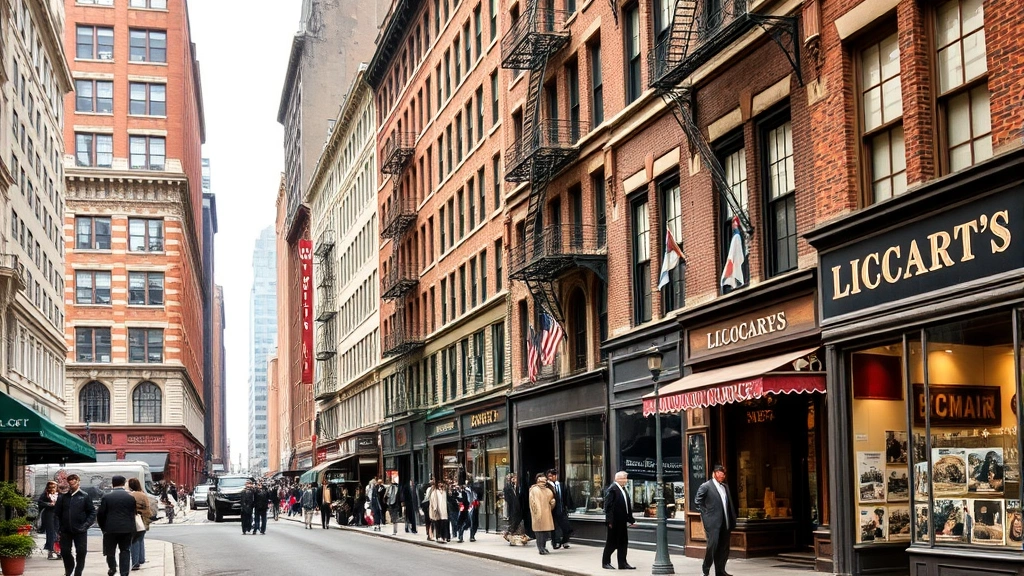
What is the Raines Law?
The Raines Law, formally known as the Raines Excise Law, was a piece of New York State legislation enacted in 1896 that fundamentally altered how alcoholic beverages could be sold and consumed within the state. Named after State Senator John Raines, who championed the legislation, this law imposed strict regulations on saloon operations, licensing requirements, and hours of service. The primary intent behind the Raines Law was to reduce public drunkenness, decrease alcohol consumption, and impose moral standards on establishments serving alcohol during the era of the temperance movement.
The law’s framework established several controversial stipulations that would shape the hospitality industry for decades. It mandated that establishments serving alcohol must also provide food service, created Sunday restrictions on alcohol sales, and required proprietors to obtain specific licenses from local authorities. These provisions seemed straightforward on the surface, but they created unexpected loopholes and entrepreneurial opportunities that transformed how New Yorkers accessed alcohol and leisure services. Understanding the technical requirements of the Raines Law is essential for anyone studying regulatory frameworks or the history of employment law and business operations.

Historical Context and Origins
To fully appreciate the Raines Law, one must understand the social and political climate of 1890s America. The temperance movement had gained substantial momentum, with reformers arguing that alcohol consumption was the root cause of numerous social ills including poverty, domestic violence, and moral degradation. New York, as a rapidly urbanizing state with significant immigrant populations, became a focal point for temperance advocates who viewed saloons as centers of vice and corruption.
The saloon culture of the late 19th century was indeed vibrant and sometimes problematic. Saloons served as social hubs for working-class men, particularly immigrants, but they were also associated with criminal activity, political corruption, and public disorder. Reformers and politicians, including State Senator John Raines, believed that stricter regulation could address these concerns while preserving legitimate commerce. The Raines Law represented a compromise approach—rather than outright prohibition, lawmakers sought to regulate and control alcohol sales through licensing, operational requirements, and behavioral restrictions.
This historical context is important because it demonstrates how choosing legal expertise in regulatory matters requires understanding both the letter and spirit of legislation. Attorneys who specialized in hospitality law during this era had to navigate the complex intentions behind the Raines Law while identifying practical pathways for their clients to operate legally.
Key Provisions and Requirements
The Raines Law contained several specific provisions that defined how establishments could operate:
- Food Service Requirement: Any establishment serving alcohol had to also serve food, creating what became known as the “lunch counter” provision. This requirement aimed to transform saloons into more respectable dining establishments rather than pure drinking venues.
- Sunday Sales Restrictions: The law prohibited the sale of alcohol on Sundays, except in hotels that served meals to lodgers. This created a significant loophole that would later become central to the law’s most notorious application.
- Licensing Requirements: Proprietors had to obtain licenses from local authorities, subjecting them to government oversight and creating opportunities for political influence and corruption.
- Operating Hours: The law established specific hours during which alcohol sales were permitted, typically restricting late-night operations.
- Venue Classification: Different rules applied to different types of establishments, with hotels receiving more favorable treatment than standalone saloons.
These provisions created a complex regulatory environment that required careful navigation. Business owners needed to understand how to structure their operations to comply with the law while maintaining profitability. This legal complexity meant that understanding what constitutes legal malpractice became important for attorneys advising clients on regulatory compliance, as incorrect guidance could have significant business consequences.
Impact on New York City Establishments
The immediate impact of the Raines Law on New York City was substantial and multifaceted. Traditional saloons had to adapt their business models to comply with the food service requirement. Many establishments added lunch counters or dining areas, transforming their physical layout and operational procedures. The licensing requirement created a barrier to entry for new operators and gave existing proprietors a competitive advantage if they successfully obtained licenses.
The Sunday sales restriction had perhaps the most dramatic and unintended consequence. Since hotels could sell alcohol on Sundays if they served meals to lodgers, enterprising business owners recognized an opportunity. They began establishing small “hotels” that consisted primarily of a bar and a few modest rooms upstairs. These establishments, which became known as Raines Law hotels, technically complied with the law’s letter while completely circumventing its spirit. The rooms were often rented by the hour rather than the night, and the “hotel” served primarily as a venue for drinking and socializing rather than legitimate lodging.
The phenomenon of Raines Law hotels, particularly in areas like Chelsea and other Manhattan neighborhoods, became so prevalent that it transformed the urban landscape. By some estimates, hundreds of these establishments operated throughout New York City. They created new employment opportunities, particularly for women who worked as hotel attendants and servers, but they also perpetuated the very problems the original legislation sought to address—public drunkenness, moral concerns, and social disorder.
The Raines Law Hotel Phenomenon
The Raines Law hotel phenomenon deserves particular attention because it represents one of the most interesting examples of how regulatory frameworks can be circumvented through creative business practices. These establishments, which proliferated in Chelsea and other neighborhoods, operated in a legal gray area that frustrated reformers and regulators alike.
A typical Raines Law hotel in Chelsea might have consisted of a street-level bar or saloon with a few bedrooms on the floors above. The proprietor would maintain a registration book to satisfy the technical requirement of being a hotel, though many registrations were fraudulent or perfunctory. The rooms were sparsely furnished, often with only a bed and minimal amenities. Customers could rent a room for a few hours, though many never intended to sleep. The real business was the alcohol sales and the social atmosphere, not the lodging.
The economic model was simple but effective. By maintaining the legal fiction of being a hotel, these establishments could serve alcohol on Sundays and during hours when traditional saloons were closed. They attracted customers seeking to circumvent the restrictions on alcohol sales, and they generated substantial profits. For entrepreneurs with limited capital, opening a Raines Law hotel required less investment than establishing a full-service hotel, yet it provided access to a lucrative market niche.
The social impact was equally significant. These establishments became centers of nightlife and social activity, particularly in working-class and immigrant neighborhoods. They employed bartenders, servers, and other staff members. They attracted customers from diverse backgrounds who sought entertainment and social connection. However, they also perpetuated the problems that temperance advocates had identified—excessive drinking, public disorder, and moral concerns about women working in such establishments.
Legal Challenges and Evolution
The proliferation of Raines Law hotels quickly led to legal challenges and regulatory responses. Reformers, temperance advocates, and government officials recognized that the law was being exploited in ways that contradicted its original purpose. Courts were called upon to interpret the law’s requirements and determine whether various establishments truly qualified as hotels under its provisions.
Litigation surrounding the Raines Law revealed the challenges inherent in writing precise legislation. What constituted a “hotel”? How many rooms were required? What level of service to lodgers was necessary? What documentation was sufficient to prove that an establishment was genuinely operating as a hotel rather than using the hotel classification as a pretext for alcohol sales? These questions generated numerous court cases and legal interpretations, creating a complex body of case law around the statute.
Prosecutors and regulatory agencies attempted to crack down on obvious violations, conducting raids and bringing charges against proprietors who operated establishments that clearly violated the law’s spirit if not its letter. However, the legal complexities meant that many cases were difficult to prove, and some defendants successfully defended themselves by arguing that they technically complied with the law’s requirements. This legal uncertainty created opportunities for attorneys to develop expertise in hospitality law, similar to how professionals today study best law schools in the US to develop specialized knowledge.
Eventually, the Raines Law was modified and eventually repealed as attitudes toward alcohol regulation changed and Prohibition became the focus of temperance advocates. However, the legal principles and regulatory approaches established during the Raines Law era continued to influence how governments regulated hospitality establishments and alcohol sales.
Modern Applications and Regulatory Lessons
Although the Raines Law itself is no longer in effect, its legacy continues to influence modern regulatory frameworks and legal thinking about hospitality licensing. The law provides important lessons about unintended consequences, regulatory loopholes, and the challenges of legislating behavior through restrictive rules.
Modern hospitality and alcohol licensing regulations in New York and other jurisdictions still reflect principles established during the Raines Law era. Licensing requirements, operational restrictions, and classification systems all have roots in the regulatory frameworks developed during this period. Contemporary regulators have learned from the Raines Law experience that overly restrictive regulations can generate creative circumventions, and that successful regulatory schemes must be carefully drafted to prevent exploitation of loopholes.
The Raines Law also demonstrates the importance of understanding regulatory compliance in business operations. Entrepreneurs and business owners who fail to understand the technical requirements of regulations face legal risks and potential liability. This is why many successful businesses engage attorneys to help navigate complex regulatory environments, much like how professionals pursue how many years of law school to develop expertise in specific practice areas.
For legal professionals, the Raines Law case study highlights the importance of understanding not just the literal text of legislation but also its policy objectives and the practical context in which it operates. Attorneys who provide advice on regulatory compliance must anticipate potential loopholes and help clients understand both what the law requires and what regulators and prosecutors will likely focus on in enforcement actions.
Furthermore, the Raines Law illustrates how regulations can have significant social and economic impacts beyond their stated purpose. The emergence of Raines Law hotels transformed urban neighborhoods, created employment opportunities, and changed social patterns around alcohol consumption and nightlife. Modern regulators and legislators should consider these broader impacts when crafting regulatory frameworks, recognizing that rules designed for one purpose may generate unexpected consequences in other areas.
The historical record of the Raines Law also demonstrates that regulatory reform is an ongoing process. As circumstances change and unintended consequences become apparent, regulations must be updated and revised. This dynamic nature of regulatory law means that professionals working in regulated industries must stay informed about changes in applicable rules and work with knowledgeable attorneys to ensure ongoing compliance.
FAQ
What was the primary purpose of the Raines Law?
The Raines Law was enacted to reduce alcohol consumption and regulate saloon operations in New York State. It aimed to address public drunkenness, moral concerns about saloons, and the social problems associated with excessive alcohol consumption during the late 19th century. The law required alcohol-serving establishments to also serve food, imposed Sunday sales restrictions, and established licensing requirements.
How did Raines Law hotels circumvent the law’s restrictions?
Raines Law hotels exploited a loophole that exempted hotels from Sunday sales restrictions. These establishments maintained a few bedrooms upstairs while operating primarily as bars on the ground floor. By technically qualifying as hotels, they could serve alcohol on Sundays and during hours when traditional saloons were closed, despite the fact that the rooms were rarely used for actual overnight lodging.
Where were Raines Law hotels most prevalent?
Raines Law hotels became particularly prevalent in Manhattan neighborhoods with significant working-class and immigrant populations, including Chelsea and the Lower East Side. These areas had high demand for affordable entertainment and socializing venues, making them ideal locations for entrepreneurs to establish Raines Law hotels.
Is the Raines Law still in effect today?
No, the Raines Law has been repealed and is no longer in effect. However, its legacy continues to influence modern hospitality licensing regulations and alcohol sales restrictions. The regulatory principles and frameworks established during the Raines Law era remain relevant to contemporary regulatory schemes.
What legal challenges arose from the Raines Law?
The ambiguities in the Raines Law’s language generated numerous legal disputes about what constituted a legitimate hotel, what level of food service was required, and whether specific establishments genuinely complied with the law. Courts had to interpret these requirements, creating a complex body of case law around the statute and establishing important precedents for regulatory interpretation.
What lessons does the Raines Law teach modern regulators?
The Raines Law demonstrates that overly restrictive regulations can generate creative circumventions and unintended consequences. Modern regulators have learned that successful regulatory schemes must anticipate potential loopholes, be clearly drafted to prevent exploitation, and be flexible enough to adapt as circumstances change. The law also shows that regulations can have significant social and economic impacts beyond their stated objectives.


