Understanding Starling’s Law: Medical Insight
Starling’s Law of the Heart represents one of the most fundamental principles in cardiovascular physiology, describing the relationship between the stretch of cardiac muscle fibers and the force of contraction. Named after physiologist Ernest Henry Starling, who conducted groundbreaking research in the early 1900s, this law explains how the heart automatically adjusts its pumping force based on the volume of blood it receives. Understanding this mechanism is crucial for healthcare professionals, medical students, and anyone seeking to comprehend how the cardiovascular system maintains efficient blood circulation throughout the body.
The significance of Starling’s Law extends beyond academic interest—it has profound implications for clinical practice, from diagnosing heart failure to understanding the body’s response to exercise, blood loss, and various pathological conditions. This comprehensive guide explores the physiological basis of Starling’s Law, its clinical applications, and the mechanisms that make it essential to cardiac function. Whether you’re a medical student preparing for examinations or a healthcare provider seeking to deepen your understanding, this article provides detailed insights into one of cardiology’s most important principles.

What is Starling’s Law of the Heart?
Starling’s Law of the Heart, also known as the Frank-Starling Law or the Frank-Starling Mechanism, states that the force of contraction of cardiac muscle is directly proportional to its initial length or the degree to which the cardiac myocytes are stretched before contraction. In simpler terms, within physiological limits, the more the heart fills with blood (increased preload), the greater the force with which it contracts, resulting in increased stroke volume. This intrinsic property of cardiac muscle allows the heart to automatically match its output to the venous return without requiring external neural or hormonal control.
The law was first described by Otto Frank in 1895 through his experiments with isolated frog hearts, and later refined and popularized by Ernest Starling in the early 1900s. The principle emerged from observations that when the ventricles are stretched by increased filling, they contract more forcefully. This relationship operates along a curve, with optimal performance occurring at a moderate degree of stretch. Beyond a certain point, excessive stretching can actually decrease contractile force, a phenomenon important in understanding various cardiac pathologies.
Unlike skeletal muscle, which requires external neural stimulation to contract, cardiac muscle possesses an intrinsic ability to generate force based on its mechanical state. This unique characteristic makes Starling’s Law one of the most important autoregulatory mechanisms in the cardiovascular system, allowing the heart to respond dynamically to changing physiological demands without conscious control or immediate nervous system intervention.
The Physiological Mechanism Behind Starling’s Law
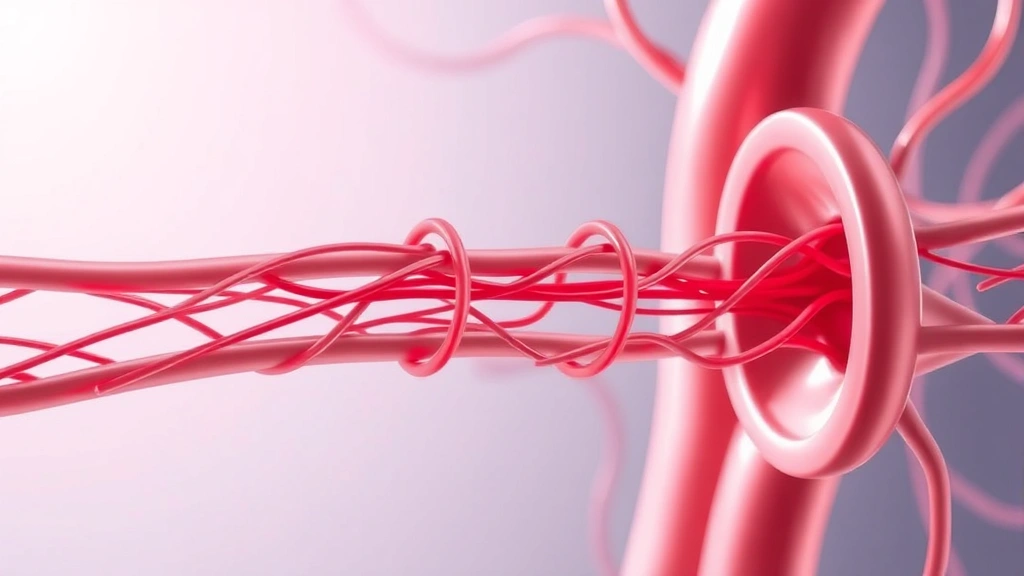
The underlying mechanism of Starling’s Law involves the relationship between sarcomere length and the interaction between thick and thin filaments within cardiac myocytes. When blood volume increases and ventricular filling increases, the myocardial fibers stretch. This stretching increases the length of sarcomeres—the contractile units of the heart—to an optimal length where the overlap between actin and myosin filaments is maximized. At this optimal length, more cross-bridges can form between thick and thin filaments, allowing for greater force generation during the subsequent contraction.
The molecular basis of this phenomenon involves several key factors. First, increased stretch enhances the sensitivity of the contractile apparatus to calcium ions. The stretching of cardiac myocytes appears to increase the responsiveness of troponin C to calcium, meaning that for the same concentration of calcium, more cross-bridges form and generate greater force. Second, the geometric arrangement of sarcomeres becomes more favorable for force generation at optimal lengths. When sarcomeres are too short, thick filaments collide with Z-discs, limiting force production. When they’re too long, the overlap between actin and myosin becomes insufficient for maximal cross-bridge formation.
Additionally, increased ventricular filling stretches the ventricular walls, which activates stretch-sensitive ion channels and signaling pathways within cardiac myocytes. These pathways enhance calcium handling, improving the coupling between electrical excitation and mechanical contraction. The enhanced calcium sensitivity of the myofilaments represents one of the most important mechanisms explaining why increased preload leads to increased contractility according to Starling’s Law. This elegant autoregulatory mechanism ensures that the heart can automatically accommodate varying amounts of venous return and maintain cardiac output efficiently.
Sarcomere Length and Cardiac Contractility
The relationship between sarcomere length and contractile force represents the mechanical foundation of Starling’s Law. Sarcomeres are the fundamental contractile units of the heart, bounded by Z-discs and containing thick filaments (myosin) and thin filaments (actin). The length of these structures directly determines how effectively myosin heads can interact with actin molecules to generate force. In cardiac muscle, the optimal sarcomere length for force generation ranges from approximately 2.2 to 2.4 micrometers, a range that corresponds to normal ventricular filling volumes during physiological conditions.
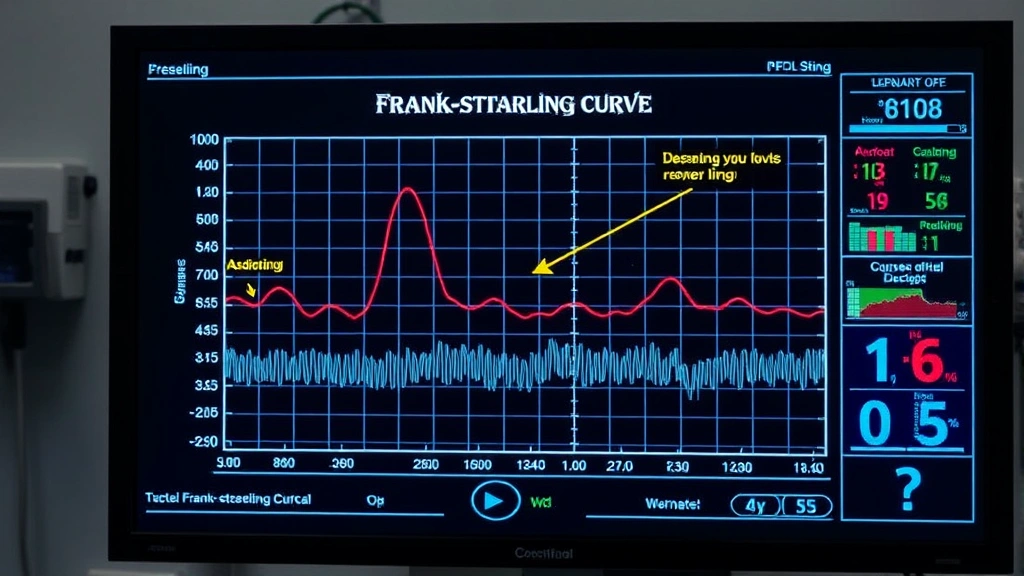
When ventricular volume increases, sarcomeres lengthen toward the optimal range, increasing the number of cross-bridge interactions and enhancing force production. This explains why a normal heart can increase its stroke volume simply by receiving more venous return—no additional sympathetic stimulation is required. However, this relationship is not linear indefinitely. The descending limb of the Starling curve occurs when sarcomere length exceeds approximately 2.4 micrometers. At these excessive lengths, the overlap between actin and myosin becomes suboptimal, reducing the number of available cross-bridges and consequently decreasing contractile force.
This concept has significant clinical implications. When the heart becomes severely dilated due to heart failure or other pathological conditions, sarcomeres stretch beyond their optimal length, moving toward the descending limb of the Starling curve. In this state, further increases in ventricular volume paradoxically decrease contractile force, contributing to the progressive deterioration of cardiac function seen in decompensated heart failure. Understanding this relationship helps clinicians predict how interventions affecting preload will influence cardiac output in different patient populations and disease states.
Clinical Applications and Significance
Starling’s Law has extensive clinical applications, influencing how healthcare providers manage patients with various cardiovascular conditions. In healthy individuals, the law explains how the heart automatically adjusts to increased demands during exercise. When physical activity increases, muscles require more oxygen and nutrients, leading to increased venous return to the heart. According to Starling’s principle, this increased venous return stretches the ventricles, causing them to contract more forcefully and pump more blood per beat—increasing stroke volume without requiring conscious control or immediate nervous system intervention.
In clinical assessment, understanding Starling’s Law helps interpret hemodynamic measurements and predict patient responses to therapeutic interventions. When assessing patients with cardiovascular compromise, clinicians consider whether the heart is operating on the ascending or descending limb of the Starling curve. Patients in compensated heart failure may still be on the ascending limb, where increasing preload (through fluid administration) might improve cardiac output. However, patients in decompensated heart failure typically operate on the descending limb, where further volume administration would worsen outcomes by increasing pulmonary edema and decreasing contractility.
The principle also guides management of acute conditions like hemorrhage or sepsis. During significant blood loss, venous return decreases, reducing ventricular filling and, according to Starling’s Law, decreasing stroke volume. This explains why rapid fluid resuscitation is critical in hemorrhagic shock—restoring venous return and ventricular filling restores the heart’s ability to generate adequate cardiac output. Similarly, in septic shock, fluid administration in the early phases restores preload and leverages Starling’s mechanism to improve cardiac output before sepsis-induced myocardial depression becomes severe.
Starling’s Law in Heart Failure
Heart failure represents a condition where Starling’s Law becomes particularly relevant and clinically important. In the initial stages of heart failure, the heart compensates through ventricular dilation, which increases ventricular filling volume and stretches myocardial fibers toward the optimal sarcomere length. This mechanism allows the failing heart to maintain adequate cardiac output despite reduced contractility from the underlying disease process. However, this compensatory mechanism has limits. As heart failure progresses and ventricular dilation increases excessively, sarcomeres stretch beyond their optimal length, moving toward the descending limb of the Starling curve where further stretching decreases contractile force.
This progression explains the pathophysiology of decompensated heart failure. As ventricular volumes continue to increase, the heart moves further along the descending limb of the Starling curve, where contractility paradoxically decreases despite increased ventricular stretch. Additionally, excessive ventricular dilation increases wall stress and oxygen demand, further compromising the failing myocardium. The clinical manifestation is progressive reduction in cardiac output despite increased ventricular volumes, leading to symptoms of congestion (pulmonary edema, peripheral edema) and reduced tissue perfusion.
Treatment strategies for heart failure recognize these principles. Diuretics reduce preload, moving the heart back toward the optimal portion of the Starling curve, reducing congestion while attempting to maintain adequate cardiac output. Inotropic agents increase myocardial contractility, effectively shifting the entire Starling curve upward, allowing the heart to generate greater force at any given preload. Vasodilators reduce afterload, improving cardiac efficiency and reducing the workload on the struggling heart. Understanding Starling’s Law helps clinicians choose appropriate interventions and predict how changes in preload will affect individual patients based on where they operate on the Starling curve.
The Frank-Starling Mechanism Explained
The Frank-Starling Mechanism represents the complete physiological principle combining the observations of both Otto Frank and Ernest Starling. This mechanism describes how the heart automatically adjusts stroke volume in response to changes in venous return, independent of neural or hormonal control. The mechanism ensures that the right and left ventricles pump equal amounts of blood despite anatomical and functional differences. If the right ventricle suddenly receives increased venous return, it automatically pumps more blood into the pulmonary circulation. This increased pulmonary blood flow returns to the left atrium, increasing left ventricular filling, which according to Starling’s principle, causes the left ventricle to pump more forcefully and maintain cardiac output balance.
This elegant autoregulatory mechanism prevents blood from pooling in the lungs or peripheral circulation. It allows rapid adjustment to changing physiological demands, such as postural changes, exercise, or emotional stress. During the transition from sitting to standing, gravity causes blood to pool in the legs, temporarily reducing venous return to the heart. However, the Frank-Starling Mechanism immediately reduces ventricular filling and stroke volume, preventing excessive blood pressure drop. Simultaneously, baroreceptor reflexes increase heart rate and contractility to maintain blood pressure. When lying down, increased venous return stretches the ventricles, automatically increasing stroke volume through Starling’s mechanism, preventing excessive blood pressure elevation.
The Frank-Starling Mechanism also operates during exercise. As muscles contract, they pump blood back to the heart, increasing venous return. The increased ventricular filling stretches myocardial fibers, increasing stroke volume according to Starling’s principle. This increased stroke volume, combined with increased heart rate from sympathetic stimulation, dramatically increases cardiac output to meet the metabolic demands of exercising muscles. This intrinsic mechanism allows the heart to respond immediately to increased demands without waiting for nervous system signals to increase contractility. Understanding this mechanism is essential for predicting how various pathological conditions and therapeutic interventions affect cardiac function and overall cardiovascular performance.
If you’re dealing with complex legal matters related to healthcare or medical practice, consulting resources like how to choose a lawyer can help you find appropriate professional guidance. Similarly, understanding your rights in various jurisdictions is important—whether you’re researching Arizona lemon law, lemon law California, Texas labor laws, New York labor law attorneys, or Ohio divorce laws, having accurate information supports informed decision-making.
FAQ
What exactly is Starling’s Law of the Heart?
Starling’s Law of the Heart states that the force of cardiac contraction is directly proportional to the initial length of cardiac muscle fibers (ventricular preload). Within physiological limits, increased ventricular filling leads to increased contractile force and stroke volume. This intrinsic property allows the heart to automatically match its output to venous return without external control.
Who discovered Starling’s Law and when?
Otto Frank first described the principle in 1895 through experiments with isolated frog hearts. Ernest Henry Starling refined and popularized the concept in the early 1900s, leading to the principle being named Starling’s Law. The combined contribution is sometimes called the Frank-Starling Law or Frank-Starling Mechanism.
How does sarcomere length relate to cardiac contractility?
Sarcomeres are the contractile units of the heart. Optimal force generation occurs at sarcomere lengths of 2.2 to 2.4 micrometers, where actin-myosin overlap is maximal. Increased ventricular filling stretches sarcomeres toward this optimal length, increasing contractile force. Excessive stretching beyond optimal length decreases force production, explaining the descending limb of the Starling curve.
Why is Starling’s Law important in heart failure management?
In heart failure, understanding Starling’s Law helps clinicians predict how preload changes affect cardiac output. Compensated heart failure patients may benefit from increased preload, while decompensated patients operating on the descending limb of the Starling curve worsen with additional volume. This knowledge guides decisions about fluid administration, diuretics, and other therapeutic interventions.
How does the Frank-Starling Mechanism work during exercise?
During exercise, increased muscle activity increases venous return to the heart. According to the Frank-Starling Mechanism, increased ventricular filling automatically stretches myocardial fibers, increasing stroke volume without requiring conscious control. This automatic adjustment, combined with sympathetic stimulation, dramatically increases cardiac output to meet metabolic demands.
What happens when the heart operates on the descending limb of the Starling curve?
On the descending limb, excessive ventricular dilation causes sarcomeres to stretch beyond optimal length, reducing actin-myosin overlap and decreasing contractile force. Further increases in preload paradoxically decrease stroke volume. This occurs in severe heart failure and explains why excessive fluid administration worsens outcomes in decompensated patients.
Can Starling’s Law be applied to both ventricles?
Yes, Starling’s Law applies to both right and left ventricles. The Frank-Starling Mechanism ensures balanced output between ventricles—increased right ventricular filling automatically increases right ventricular output, which increases pulmonary return and left ventricular filling, automatically increasing left ventricular output proportionally.


