
Texas car seat laws represent a critical component of child passenger safety regulations designed to protect minors during vehicle travel. These statutes establish mandatory requirements for child restraint systems based on age, weight, and height specifications. Understanding these legal obligations is essential for parents, guardians, and caregivers operating vehicles in Texas to ensure compliance and, more importantly, safeguard children from serious injury or death in traffic accidents.
The Texas Transportation Code Section 545.412 governs child passenger safety requirements throughout the state. Texas law mandates that children meet specific developmental milestones before transitioning between different types of restraint systems. Non-compliance with these regulations can result in traffic citations, fines, and potential liability in accident scenarios. This comprehensive guide examines Texas car seat laws in detail, exploring age requirements, weight specifications, proper installation procedures, and enforcement mechanisms.
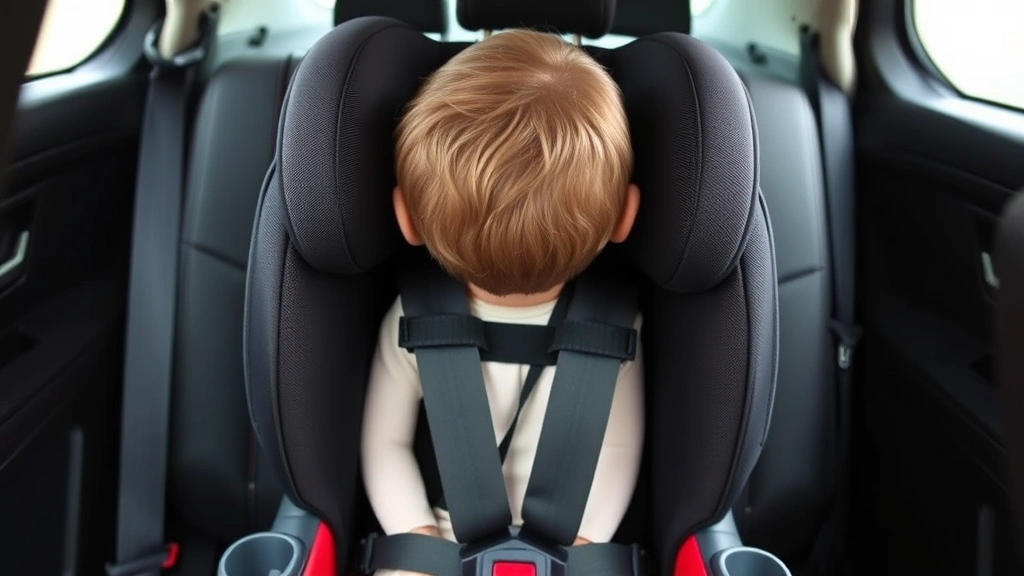
Age and Weight Requirements Under Texas Law
Texas law establishes a tiered system of child restraint requirements based primarily on age, with secondary considerations for weight and height. Children under eight years of age must be secured in an appropriate child safety seat or booster seat while traveling in a motor vehicle. This foundational requirement applies across all Texas jurisdictions and cannot be waived regardless of trip distance or vehicle type.
For children under two years old, Texas law requires rear-facing car seats. Rear-facing seats provide superior protection for infants and toddlers because they distribute crash forces across the entire back and head of the child, minimizing risk of spinal cord injury. The National Highway Traffic Safety Administration (NHTSA) has documented that rear-facing seats reduce injury risk by approximately 43 percent for infants and 25 percent for toddlers compared to forward-facing alternatives. Parents should keep children in rear-facing seats as long as possible, ideally until they reach the maximum weight or height limits specified by the car seat manufacturer.
Children ages two through seven must use forward-facing car seats with harness systems. Forward-facing seats should only be utilized once children exceed the rear-facing seat’s weight limits, typically between 30 and 35 pounds depending on the specific model. These seats feature five-point harness systems designed to distribute crash forces across the child’s body while maintaining proper head and neck positioning.
Children ages eight through approximately 12 years, or those under 4 feet 9 inches tall, must utilize booster seats. Booster seats position children so that vehicle seat belts fit properly across their lap and shoulder. Without proper positioning provided by booster seats, standard seat belts can cause abdominal or internal injuries during accidents because they contact the child’s midsection rather than their pelvic bones.
Texas law permits children to transition from booster seats to adult seat belts when they reach either age eight or 4 feet 9 inches in height, whichever occurs first. However, safety experts recommend continued booster seat use until children reach approximately 4 feet 9 inches and weigh at least 80 pounds, as this ensures proper seat belt positioning across their developing skeletal structure.
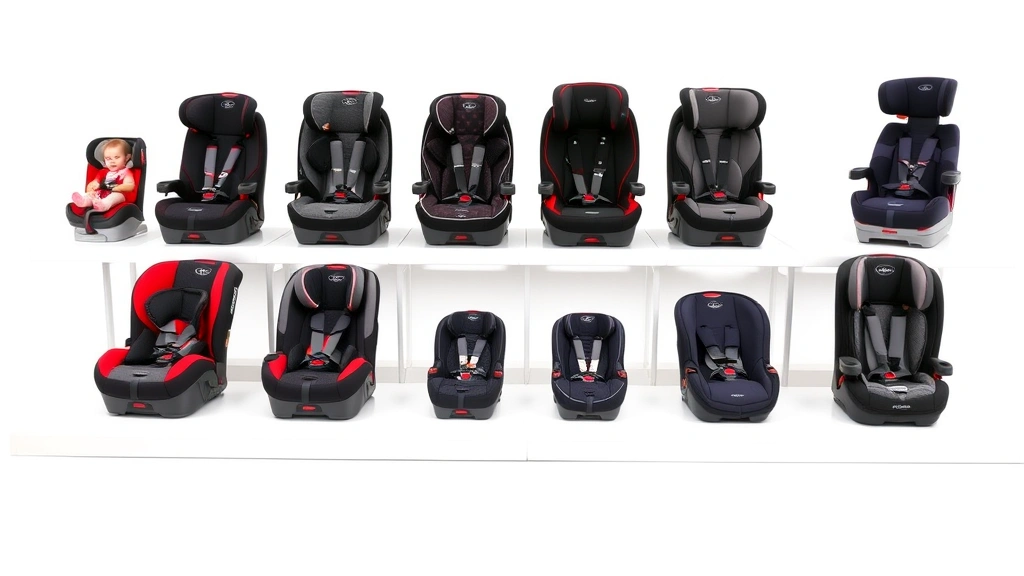
Car Seat Types and Installation Standards
Understanding different car seat categories and proper installation procedures is essential for legal compliance and maximum safety protection. Texas law does not specify particular car seat brands or models but instead establishes that restraint systems must meet federal safety standards established by NHTSA.
Rear-facing infant car seats represent the first restraint system most parents encounter. These seats feature handles for easy transportation between vehicles and typically accommodate children from birth through 12-15 months of age. Rear-facing convertible seats accommodate children for longer periods, often from birth through age four, making them cost-effective options for families planning multiple children.
Forward-facing car seats with harnesses serve children ages two through seven. These seats feature five-point harness systems that secure children across the shoulders, waist, and between the legs. Proper harness positioning is critical—the shoulder straps should originate at or slightly above the child’s shoulders, and the harness should be snug enough that you cannot pinch more than one finger’s width of fabric.
Booster seats come in two primary varieties: high-back boosters and backless boosters. High-back boosters provide head and neck support, making them preferable for vehicles without headrests or when center seating is necessary. Backless boosters offer more portability but require vehicles with functioning headrests. Both types position the vehicle’s seat belt to fit properly across the child’s hip bones and chest.
Proper installation represents one of the most critical aspects of car seat safety, yet studies indicate that approximately 85 percent of car seats are installed incorrectly. Texas law requires that car seats be installed according to manufacturer instructions and vehicle-specific installation guides. Many vehicles have LATCH (Lower Anchors and Tethers for Children) systems that provide alternative installation methods to seat belts.
LATCH systems utilize lower anchors located in the seat bight and upper tether anchors located behind vehicle seats. These systems eliminate the need for seat belt installation and often provide more secure positioning. However, LATCH systems have weight limitations, typically supporting children and car seats weighing no more than 65 pounds combined. Once children exceed this threshold, parents must transition to seat belt installation.
Parents should verify their specific vehicle’s installation requirements by consulting the vehicle owner’s manual and car seat instruction manual simultaneously. Many Texas communities offer free car seat inspection services through certified Child Passenger Safety Technicians. These professionals can verify correct installation and provide personalized guidance on proper use.
Legal Penalties and Enforcement
Texas law enforcement officers can issue citations for violations of child passenger safety requirements. Violations constitute traffic infractions rather than criminal offenses, but they carry significant financial and legal consequences. Understanding enforcement practices and potential penalties is important for all Texas drivers.
A first violation of Texas child passenger safety laws results in a fine of no less than $25 and no more than $250. Additionally, drivers may receive points on their driving record, potentially affecting insurance rates. While the monetary penalty may seem modest compared to other traffic violations, the implications extend beyond the immediate fine.
Second and subsequent violations within a 36-month period carry enhanced penalties. A second violation within three years results in fines between $100 and $500. Multiple violations can trigger mandatory traffic safety courses and increased insurance premiums that substantially exceed the original citation amount.
Beyond traffic citations, failure to properly restrain children can create significant liability in accident scenarios. If a child suffers injury in a vehicle accident and evidence demonstrates that improper or absent child restraints contributed to the injury, parents or guardians may face civil liability claims from medical providers or insurance companies. Additionally, in cases involving serious injury or death, law enforcement may investigate whether criminal negligence charges are appropriate.
Texas law also permits law enforcement officers to conduct traffic stops specifically for child passenger safety violations. Unlike some jurisdictions that treat these violations as secondary offenses, Texas empowers officers to initiate stops based solely on observed restraint violations, providing significant enforcement authority.
Courts and juries often view child restraint violations very unfavorably. Even in accident scenarios where the violation did not directly cause the accident, juries may assess punitive damages against drivers who failed to properly restrain child passengers. Insurance companies similarly view unrestrained children as evidence of negligent behavior, potentially affecting coverage and claims outcomes.
Safety Considerations Beyond Minimum Requirements
While Texas law establishes minimum requirements for child passenger safety, research consistently demonstrates that exceeding these minimums provides substantially greater protection. Parents should understand that legal compliance represents a baseline rather than optimal safety practice.
Rear-facing seats provide superior protection at all ages, particularly for younger children whose necks cannot adequately support their heads during rapid deceleration. Safety experts recommend rear-facing seats until children reach the maximum weight limits, typically 35-45 pounds depending on the specific seat model. This often extends rear-facing use beyond age two, despite legal permission to transition to forward-facing seats at that age.
Extended rear-facing use has become increasingly common among safety-conscious families. Medical research demonstrates that children in rear-facing seats experience significantly lower forces on their developing cervical spines during crashes. Some manufacturers now produce rear-facing seats accommodating children weighing up to 50 pounds, enabling extended use until age four or five.
Similarly, extended booster seat use beyond age eight provides additional protection. Children’s bodies continue developing through early adolescence, and their skeletal systems do not fully mature until the late teenage years. Maintaining booster seat use until children reach 4 feet 9 inches and weigh approximately 80-100 pounds ensures proper seat belt positioning across their developing frames.
Vehicle seating position also affects safety outcomes. The center rear seat typically provides superior protection compared to outboard rear seats because it increases distance from potential side-impact scenarios. When multiple children require restraint, the center position should be reserved for the youngest child when possible.
Vehicle selection itself impacts child safety. Larger vehicles with modern safety technologies provide superior crash protection compared to smaller, older vehicles. Features such as electronic stability control, automatic emergency braking, and comprehensive airbag systems reduce accident frequency and mitigate injury severity when accidents occur.
Regular car seat maintenance and replacement represent often-overlooked safety considerations. Car seats expire typically six to ten years after manufacture, as plastic components degrade over time. Additionally, car seats involved in moderate to severe accidents should be replaced rather than reused, as structural integrity may be compromised even when visible damage is minimal.
Resources and Compliance Assistance
Texas parents seeking guidance on compliance with specific legal requirements have access to numerous authoritative resources. The Texas Department of Transportation maintains comprehensive information about child passenger safety requirements and provides links to certified technician locators.
The National Highway Traffic Safety Administration offers detailed technical guidance on car seat selection, installation, and proper use. Their website includes manufacturer recall information, safety ratings, and research-based recommendations exceeding minimum legal requirements. NHTSA’s Car Seat Finder tool helps parents identify appropriate restraint systems based on their child’s age, weight, and height.
Local health departments and children’s hospitals throughout Texas frequently sponsor free or low-cost car seat inspection events. These programs connect families with certified Child Passenger Safety Technicians who verify proper installation and provide personalized instruction. Organizations like Safe Kids Texas coordinate these inspection events and maintain directories of certified technicians available for consultations.
Parents should also consult their vehicle manufacturer’s documentation for model-specific installation guidance. Many manufacturers provide detailed videos demonstrating LATCH installation and seat belt installation procedures specific to particular vehicle models. This information supplements car seat manufacturer instructions and ensures installations account for vehicle-specific features.
Insurance companies often provide resources supporting child passenger safety. Some insurers offer discounts for families completing child passenger safety training or utilizing certified technician inspection services. Parents should contact their insurance providers to inquire about available programs and potential premium reductions.
Legal professionals specializing in traffic law or personal injury can provide guidance regarding specific compliance questions or circumstances. If you face potential legal consequences related to child restraint violations, consulting an attorney can help clarify your rights and obligations under Texas law.
For those interested in the broader landscape of legal education and the legal profession, resources like Law School Reddit communities and information about legal education pathways may provide additional context. Understanding how laws like child passenger safety regulations are developed, interpreted, and enforced involves knowledge of the legal system explored in Big Law practices and legal scholarship.
Additionally, examining broader philosophical perspectives on law and legal obligations can provide context for understanding why child safety regulations exist and how they reflect societal values regarding child welfare.
FAQ
What is the minimum age for children to stop using car seats in Texas?
Texas law permits children to transition from booster seats to adult seat belts once they reach age eight or 4 feet 9 inches in height, whichever occurs first. However, safety experts recommend continued booster seat use until children reach approximately 4 feet 9 inches in height and weigh at least 80 pounds. This ensures proper seat belt positioning across the developing skeletal structure.
Can children sit in the front seat of a vehicle in Texas?
Texas law does not explicitly prohibit children from front seat travel, but safety experts strongly recommend keeping children under age 13 in rear seats whenever possible. Front seats expose children to airbag deployment risks and reduce distance from windshield impact during front-end collisions. If children must travel in front seats, appropriate restraint systems must be used.
What happens if I’m cited for a child restraint violation in Texas?
First violations result in fines between $25 and $250. Second violations within three years carry fines between $100 and $500. Additionally, violations may appear on your driving record, affecting insurance rates. In accident scenarios, violations can create significant civil and criminal liability.
Are aftermarket car seats legal in Texas?
Texas law requires car seats to meet federal NHTSA safety standards. Aftermarket seats meeting these standards are legal. However, used car seats from unknown sources may have hidden damage from previous accidents or may be subject to manufacturer recalls. Purchasing from reputable retailers or certified secondhand programs ensures compliance with safety standards.
Do I need to use LATCH systems or can I use seat belts instead?
Both LATCH and seat belt installation methods are legal and acceptable under Texas law. LATCH systems provide convenient installation for most applications but have weight limitations. Once children and car seats exceed LATCH weight limits, seat belt installation becomes necessary. Both methods provide adequate safety when installed correctly.
What should I do if my car seat is involved in an accident?
Moderate to severe accidents typically require car seat replacement, as structural integrity may be compromised even without visible damage. Minor accidents may not require replacement, but manufacturer guidance should be consulted. Contact the car seat manufacturer directly if you’re uncertain about whether replacement is necessary.


