
Table of Contents
Introduction
Have you ever faced a frustrating issue with a business that left you feeling helpless and unsure about what to do next? Whether it’s a delayed shipment, poor service, or a billing dispute, navigating the resolution process can be daunting. Fortunately, the Better Business Bureau (BBB) complaint process offers a structured and accessible way to address such concerns and seek resolution without resorting immediately to legal action.
In today’s consumer-driven world, the BBB plays a vital role as a trusted intermediary that helps maintain business accountability and promotes fair marketplace practices. Millions of consumers turn to the BBB annually to voice their complaints and find solutions that protect their rights. Complaints filed through the BBB often lead to meaningful communication between consumers and businesses, which can prevent disputes from escalating into costly legal battles.
Understanding how to effectively use the BBB complaint system can empower you as a consumer while providing an avenue for businesses to improve their services. Many people are unaware of the step-by-step process involved, what information is necessary to provide, and how outcomes typically unfold. This guide will demystify the process, helping you navigate it confidently and with realistic expectations.
Resolving disputes through the BBB also complements other legal recourses you may consider. For instance, if a complaint does not lead to a satisfactory resolution, knowing when and how to escalate your case to small claims court or file an appeal becomes critical. If your situation involves specialized legal challenges, understanding foundational legal procedures such as the personal injury claim process or how to prepare for a deposition offers broader legal context that might be useful. This seamless integration of consumer complaint resolution and legal knowledge puts you in the driver’s seat of your case.
What You’ll Learn in This Guide
This comprehensive guide will walk you through every aspect of filing a complaint with the Better Business Bureau, what you can expect afterward, and how to handle common challenges. Here’s an overview of the key topics covered:
- Understanding the BBB and Its Role: Learn about the history and purpose of the BBB, how it facilitates dispute resolution, and why it’s a valuable resource for consumers seeking accountability and fair business practices.
- Filing an Effective Complaint: Discover the essential information you need to gather, how to present your issue clearly, and tips for submitting your complaint online or through other means to ensure your case is taken seriously.
- What Happens After You File: Explore the review process, communication protocols between the BBB and the business, possible outcomes of your complaint, and realistic timelines so you’re prepared for each step.
- Handling Common Issues and Escalations: Get guidance on what to do if a business is unresponsive, how to escalate your complaint when necessary, and available alternatives if the BBB cannot resolve the dispute, including legal options like small claims court (learn more about small claims court here).
Before diving into the specifics of filing a complaint, it’s important to understand the broader legal landscape in which the BBB operates. For example, if your complaint involves employment-related issues, you might also find it useful to know how to report workplace harassment. Similarly, if your case escalates, understanding legal documentation such as how to write a legal brief or the implications of legal malpractice might come into play.
Throughout this guide, we’ll also highlight related legal concepts and resources to help you make informed decisions about when to rely on the BBB and when to seek further legal action. This ensures you feel supported and knowledgeable every step of the way, regardless of the complexity of your issue.
Coming up, we’ll start by explaining exactly what the Better Business Bureau is and how it works, setting a clear foundation for your complaint journey. We’ll then move step-by-step through how to file your complaint effectively, what to expect during the review and resolution process, and how to address common roadblocks.
Reading this guide will equip you with the tools and insights needed to confidently advocate for your rights and navigate the BBB complaint process with ease. Whether you’re a first-time filer or looking for ways to improve your experience, the information provided here prepares you for success.
Let’s get started on understanding the valuable role that the BBB plays in consumer protection and how you can harness its services to hold businesses accountable and achieve fair, timely resolutions.
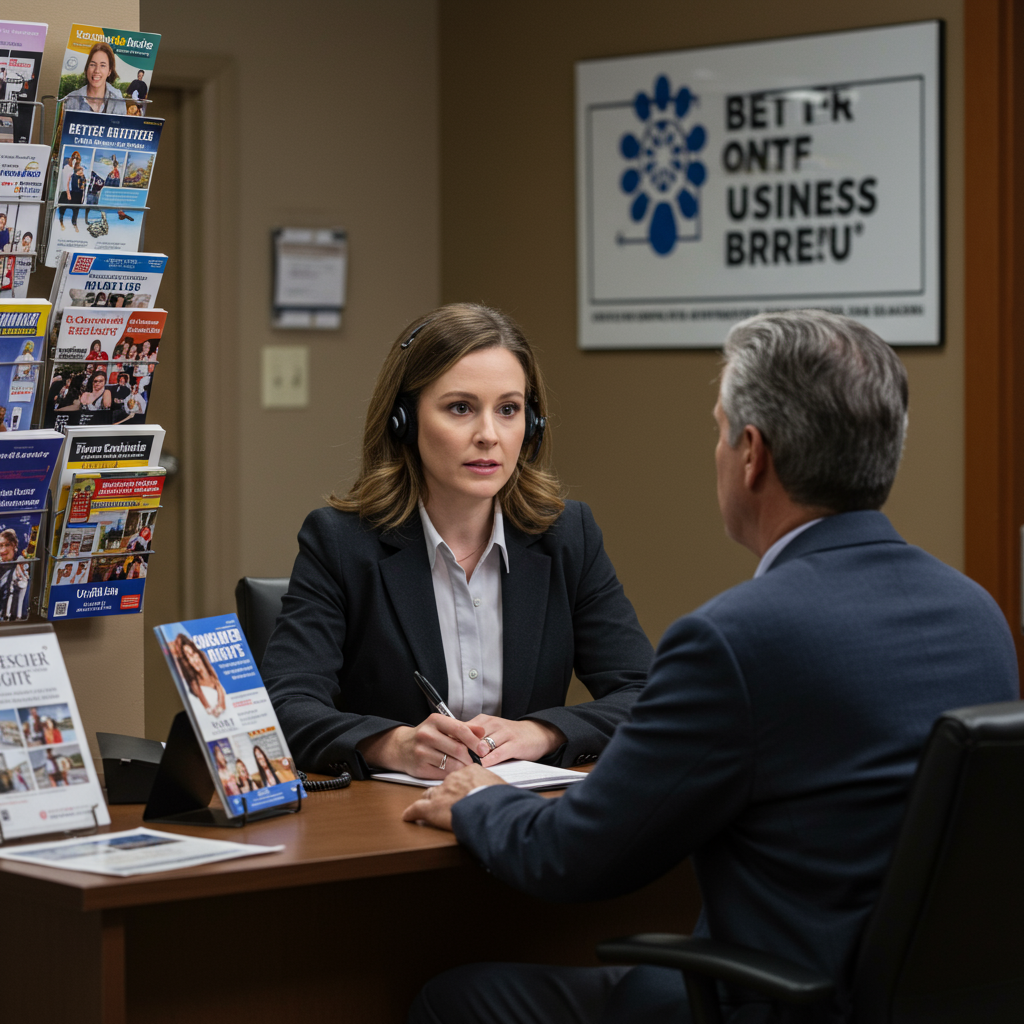
Understanding the Better Business Bureau (BBB) complaint process is essential for consumers seeking to rectify issues with businesses effectively. This guide will delve deeper into key aspects of how the BBB operates and the steps involved in filing and resolving complaints, providing you with comprehensive knowledge to navigate the system confidently. We will explore the expectations after submitting a complaint and address typical challenges consumers face, including how to handle unresponsive businesses and what alternative avenues exist when the BBB cannot resolve disputes. Equipped with this information, you will be better prepared to use the BBB’s services as a powerful tool for consumer protection and dispute resolution.
The BBB Complaint Review and Resolution Process
After you file a complaint with the Better Business Bureau, the process moves into an important phase where the BBB reviews and communicates your issue to the business in question. Understanding what happens next can help set realistic expectations and guide your preparation for follow-up actions. The BBB acts as an intermediary, facilitating communication but not enforcing resolutions legally. This transparency helps consumers remain informed and businesses engaged in finding amicable solutions. Many consumers report positive experiences when following the procedural guidelines, including providing clear documentation and timely responses to follow-up inquiries.
The BBB typically contacts the business once the complaint is filed, providing the business with the complaint details and an opportunity to respond. The timeline for this process varies but usually spans a few weeks, depending on the complexity and business responsiveness. This interaction forms the core of the BBB’s dispute resolution efforts, where businesses can offer remedies such as refunds, replacements, or explanations to address consumer concerns. For a detailed view on the communication and response process, reviewing resources on how to file a complaint with the Better Business Bureau can be highly instructive.
Key Aspects of the BBB Review Process
The following elements highlight critical parts of what to expect after submitting your complaint and how the BBB manages dispute resolution:
- Initial Business Contact: The BBB reaches out to the business with your complaint details, inviting them to respond within a specified timeframe. Timely responses often accelerate resolution and demonstrate business accountability.
- Business Response Options: Upon contact, businesses may choose to resolve the complaint directly, offer explanations, or request additional information. This phase allows for dialogue and negotiation often leading to satisfactory outcomes.
- Resolution Outcomes: Possible results include resolution through direct agreement, mediation by the BBB, or escalation to further actions if necessary. The outcome depends significantly on the willingness of both parties to cooperate.
- Handling Non-Responsiveness: If a business ignores the complaint, the BBB notes the lack of response on their report, which can affect the business’s BBB rating. Consumers may then be guided on additional steps to pursue, including alternative dispute resolution or legal options.
Common Challenges and Strategies for Handling BBB Complaints
Even with the BBB’s effective framework, consumers sometimes face challenges such as unresponsive businesses or disputes that remain unresolved through the BBB channel. Knowing how to handle these issues strategically can protect your interests and help you pursue a satisfactory resolution. This section discusses common obstacles and provides practical advice on next steps and leveraging additional resources when the BBB process alone is insufficient.
Many consumers find that persistence and organized documentation significantly enhance their effectiveness during dispute resolution. While the BBB plays a pivotal role in communication facilitation, it cannot compel businesses to act legally or enforce settlements. Understanding this limitation encourages consumers to prepare for alternative strategies, including mediation services, small claims court, or seeking legal counsel if necessary. Professional guidance can be instrumental in navigating complex or high-value disputes, ensuring your rights are protected.
Important Considerations for Handling Challenges
Below are strategic approaches to address common difficulties encountered when using the BBB complaint process:
- Dealing with Unresponsive Businesses: If a business does not respond to the BBB’s contact attempts, you can escalate the complaint by requesting additional BBB interventions or exploring other dispute resolution services. Documenting all attempts can strengthen your case if you proceed to legal or regulatory channels.
- Escalation Options: Beyond the BBB, consider mediation, arbitration, or small claims court, especially if the financial stakes justify these steps. These venues provide more formal avenues to seek binding resolutions.
- Utilizing Support Resources: Consumer protection agencies, legal aid organizations, and online dispute platforms may offer supplemental assistance. Engaging these resources can provide expert advice and increase the likelihood of effective resolution.
- Preparation for Legal Action: When all other efforts fail, gathering comprehensive evidence and seeking legal counsel become essential. Understanding the legal framework, including timelines and filing requirements, can significantly influence outcomes.

Conclusion
As we’ve explored in this guide, navigating the Better Business Bureau (BBB) complaint process can be an empowering experience for consumers who have faced unfair treatment or unresolved issues with businesses. It is crucial to remember that the BBB acts as a mediator, not a judge, aiming to facilitate constructive communication between consumers and businesses. The structured process helps consumers articulate their complaints and provides businesses with an opportunity to rectify issues before they escalate. By submitting a well-prepared complaint, you increase the likelihood of a satisfactory resolution and can potentially avoid the complications and expenses associated with legal action.
Throughout the process, keeping clear records of your communication and documentation is vital. These records not only lend credibility to your case but also strengthen your position if further action becomes necessary. If you find that your initial complaint does not yield a satisfactory response, remember that you have options. You can escalate the issue through mediation or explore legal routes such as small claims court. Understanding these processes enhances your consumer rights and equips you to take meaningful action.
Moving forward, it’s beneficial to maintain awareness of the BBB’s role in consumer protection and how you can leverage it. Additionally, always remain vigilant when dealing with businesses; research ratings and read reviews to make informed purchases that minimize future disputes. Consider integrating legal resources into your decision-making when needed. For those seeking further insight into analogous issues, such as filing a legal appeal or navigating small claims court, these linked guides can provide comprehensive support and guide your next steps. Your rights as a consumer matter, and being proactive ensures those rights are respected.
Empower yourself with knowledge and stay informed about the channels available for resolving disputes. By utilizing the resources and strategies outlined in this guide, you’re better equipped to advocate for your interests and foster improvements in business practices across the board. Remember, each complaint filed contributes to a larger narrative about consumer experiences, helping to shape a marketplace where accountability is valued, and fairness prevails.