Florida Window Tint Regulations Explained: A Comprehensive Legal Guide
Window tinting has become increasingly popular among Florida vehicle owners seeking privacy, UV protection, and enhanced aesthetics. However, Florida maintains strict regulations governing the darkness and placement of window tint to ensure driver safety and law enforcement visibility. Understanding these legal requirements is essential for any vehicle owner in the state to avoid citations, fines, and potential vehicle impoundment.
Florida’s tinted windows law, codified primarily in Florida Statutes Chapter 316, establishes specific standards for light transmittance values and window coverage restrictions. Violations can result in traffic citations, vehicle modifications orders, and fines ranging from $100 to several hundred dollars. This comprehensive guide explains the state’s regulations, exemptions, enforcement procedures, and what you need to know to remain compliant with Florida law.
Florida Window Tint Legal Limits and Standards
Florida law establishes clear parameters for window tinting that apply to all passenger vehicles operating on public roads. The regulations distinguish between different windows on a vehicle, with the strictest requirements applying to the windshield and front side windows, where driver visibility is most critical.
The primary measurement used to determine tint legality is the Visible Light Transmittance (VLT) percentage, which indicates how much light passes through the tinted window. Florida’s regulations specify different VLT requirements depending on which windows you’re tinting. These standards apply equally to factory-tinted windows and aftermarket tint applications.
Vehicle owners should note that Florida’s tint law applies to all vehicles registered in the state, including passenger cars, SUVs, trucks, and vans. Commercial vehicles and motorcycles have their own specific requirements that differ slightly from standard passenger vehicle regulations. Understanding which category your vehicle falls into is crucial for ensuring compliance.
Light Transmittance Values Explained
The Visible Light Transmittance (VLT) percentage represents the amount of light that can pass through your window tint. A higher percentage means lighter tint (more light transmission), while a lower percentage indicates darker tint (less light transmission). Florida’s specific VLT requirements are:
- Windshield: Must allow at least 70% of light to pass through. Only a non-reflective tint strip at the top of the windshield is permitted, typically measuring no more than 5-6 inches from the top.
- Front Side Windows: Must allow at least 28% of light to pass through. This is one of the stricter requirements in the nation, designed to maintain driver visibility and allow law enforcement to see into vehicles.
- Rear Side Windows: Must allow at least 15% of light to pass through. Rear windows have slightly more permissive standards since driver forward visibility is not affected.
- Rear Window: Must allow at least 15% of light to pass through, with the same rationale as rear side windows.
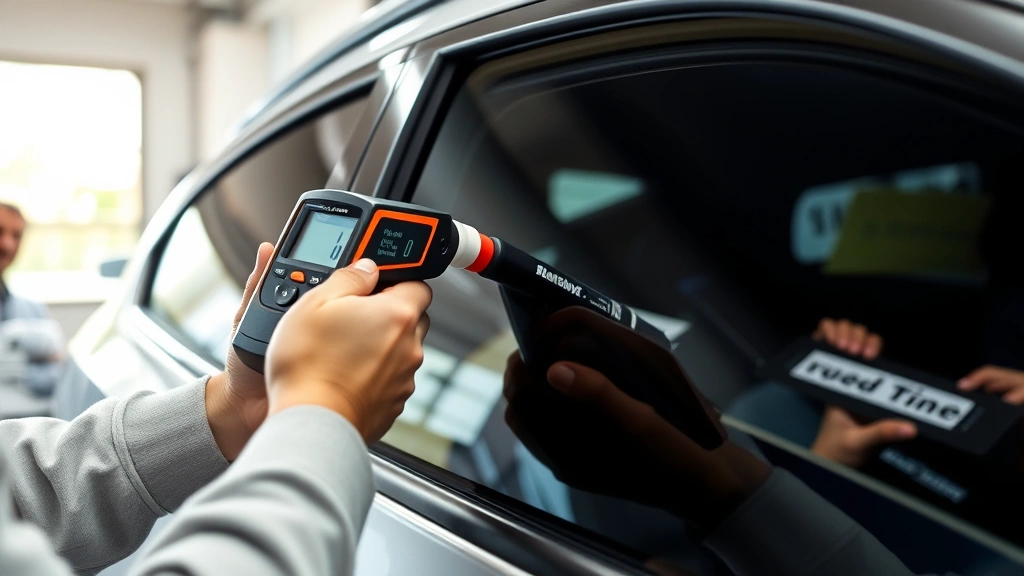
These percentages are measured using a light transmittance meter, which professional tinting shops and law enforcement use to verify compliance. If your tint measures below the required VLT percentage for any window, it violates Florida law regardless of the brand or quality of the tint application.
It’s important to understand that these VLT standards are non-negotiable under Florida law. Unlike some states that offer exceptions for certain circumstances, Florida maintains consistent standards across all regular vehicle registrations. However, specific medical conditions and law enforcement vehicles do qualify for exemptions, which are discussed in detail below.
Windshield and Window-Specific Requirements
Florida’s regulations address not only the darkness of window tint but also where tint can be applied on specific windows. These placement restrictions are designed to maintain critical sightlines for drivers and ensure law enforcement can identify vehicle occupants when necessary.
Windshield Regulations: The windshield receives the most stringent requirements in Florida. You may apply a non-reflective tint to only the upper portion of your windshield. This tint strip cannot exceed 5-6 inches from the top of the windshield or the manufacturer’s shade band, whichever is shorter. The tint must be non-reflective, meaning it cannot have a mirror-like quality that reflects light.
Some manufacturers include factory tint in the shade band area of the windshield. This factory tint is legal as long as it doesn’t exceed the specified dimensions. If you’re considering aftermarket windshield tint, ensure it complies with these specific measurements before installation.
Front Side Window Requirements: The front side windows have the most restrictive VLT requirements at 28%. These windows include the driver’s side and front passenger windows. No additional restrictions apply regarding placement on these windows—you can tint the entire window as long as it meets the 28% VLT minimum. However, many vehicle owners choose to leave the front windows lighter for practical reasons related to visibility and law enforcement interactions.
Rear Window and Rear Side Window Flexibility: Florida allows darker tint on rear windows and rear side windows, with a 15% VLT minimum. This means you can apply significantly darker tint to these areas. Some vehicle owners take advantage of this allowance to tint their rear windows very dark, though this still must meet the 15% threshold.
Understanding these specific window requirements prevents costly mistakes during tint installation. Professional tint shops in Florida should be familiar with these regulations, but it’s your responsibility as the vehicle owner to ensure compliance.
Medical Exemptions and Special Permits
Florida recognizes that certain medical conditions may require darker window tint than standard regulations permit. The state offers a medical exemption process for vehicle owners who can demonstrate that their condition necessitates protection from sunlight.
Qualifying Medical Conditions: Several medical conditions qualify for tint exemptions in Florida, including:
- Photosensitivity disorders that cause adverse reactions to sunlight
- Certain skin conditions that worsen with UV exposure
- Severe lupus and related autoimmune conditions
- Porphyria cutanea tarda
- Xeroderma pigmentosum
- Other conditions causing documented light sensitivity as certified by a physician
Obtaining Medical Exemption: To obtain a medical exemption for darker window tint, you must:
- Obtain a written statement from a licensed physician documenting your medical condition and the medical necessity for darker tint
- Submit this documentation to the Florida Department of Highway Safety and Motor Vehicles (DHSMV)
- Apply for a medical exemption permit, which will be issued if your condition qualifies
- Display the permit in your vehicle as proof of exemption
With a valid medical exemption, you may apply tint darker than the standard VLT requirements. However, even with exemptions, certain restrictions apply. You must still maintain sufficient visibility for safe driving, and law enforcement retains the right to request documentation if they stop your vehicle.
The medical exemption process requires ongoing documentation. You may need to renew your exemption periodically or provide updated medical certification if requested by law enforcement or the DHSMV.
Enforcement and Penalties
Florida law enforcement actively enforces window tint regulations as part of vehicle safety compliance. Understanding the enforcement process and potential penalties helps vehicle owners appreciate the importance of compliance.
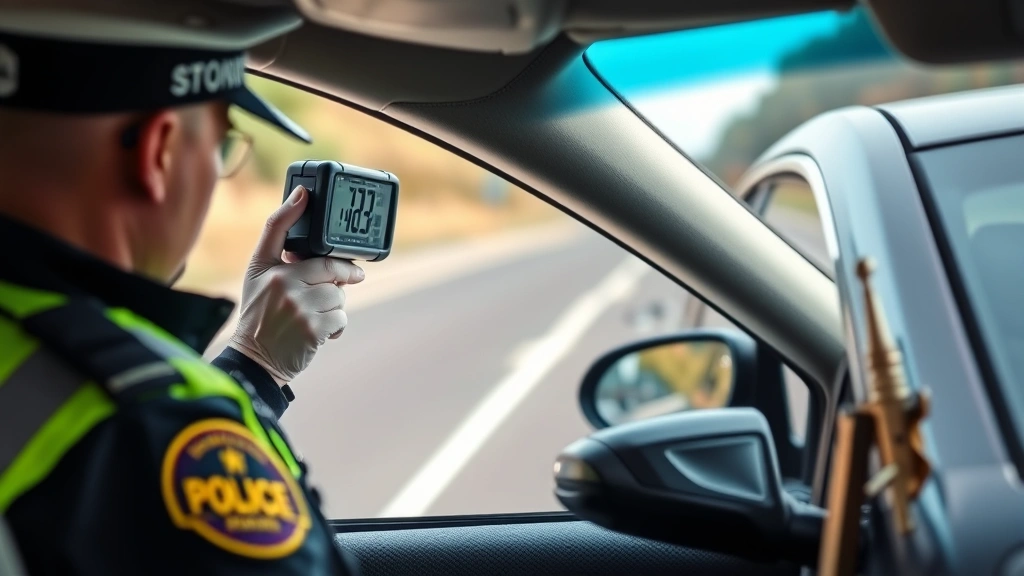
Traffic Stops and Inspection: Law enforcement officers can stop vehicles with suspected illegal tint. During a traffic stop, officers may use a light transmittance meter to measure your window tint’s VLT percentage. This objective measurement determines whether your tint violates Florida law. Unlike subjective violations, tint measurements provide clear evidence of compliance or violation.
Citations and Fines: If your window tint violates Florida regulations, you will receive a traffic citation. The penalties include:
- Fine of $100 to $150 for a first violation
- Requirement to remove or modify the tint within a specified timeframe
- Additional fines if you fail to comply with the removal order
- Potential vehicle impoundment in cases of repeated violations or failure to comply
Failure to Comply: If you receive a citation requiring tint removal and fail to comply, you may face escalated penalties. Law enforcement can issue additional citations, and your vehicle may be deemed unsafe for operation on public roads. This could result in vehicle impoundment until the tint is removed and verified as compliant.
Some jurisdictions in Florida are more aggressive in enforcing tint laws than others. Certain counties and municipalities have made window tint enforcement a priority, increasing the likelihood of traffic stops for suspected violations.
How to Obtain Legal Tint Certification
If you’ve had window tint applied and want to verify its legality, several options are available. Professional tint shops can measure your tint and provide documentation of compliance.
Professional Tint Shops: Reputable window tinting businesses in Florida have light transmittance meters and can measure your tint’s VLT percentage. Many shops will provide a receipt or certificate documenting that your tint meets Florida requirements. This documentation can be helpful if you’re stopped by law enforcement, though it’s not a legal defense against a citation—only the actual VLT measurement matters.
Law Enforcement Verification: Some police departments offer voluntary tint inspections. You can contact your local law enforcement agency to inquire whether they provide this service. A pre-stop verification allows you to identify problematic tint before receiving a citation.
DIY Measurement: While not recommended for official verification, you can purchase an inexpensive light transmittance meter online to check your own tint. However, law enforcement uses calibrated professional equipment, so your home measurement may not reflect what an officer’s meter shows.
When having tint installed or replaced, work with shops that understand Florida’s specific requirements. Request that the shop measure your tint before you leave to ensure compliance. Many reputable shops guarantee their work meets legal standards.
Common Violations and How to Avoid Them
Understanding common tint violations helps vehicle owners avoid legal problems. Several mistakes are frequently made by people unfamiliar with Florida’s specific requirements.
Front Window Darkness: The most common violation involves tinting front side windows too dark. Many vehicle owners don’t realize that Florida’s 28% VLT requirement for front windows is stricter than many other states. Tint that’s legal in Georgia or South Carolina may violate Florida law. If you’re moving to Florida or frequently travel between states, verify that your existing tint complies with Florida’s specific standards.
Windshield Tint Placement: Another frequent violation involves windshield tint that extends too far down or is reflective. The non-reflective requirement eliminates mirror-like tints that some aftermarket shops might apply. Ensure any windshield tint application respects the 5-6 inch limitation from the top.
Limo Tint on Rear Windows: While rear windows allow darker tint, they still cannot go below 15% VLT. Some vehicle owners mistakenly believe rear windows can be completely blacked out. This is illegal in Florida and can result in citations.
Failure to Update After Repairs: If your vehicle undergoes body work or window replacement, new windows may not have the same tint as your original windows. After repairs, verify that all windows still meet Florida requirements.
The best way to avoid violations is to have your tint applied by a professional shop familiar with Florida law and to request documentation of compliance. When purchasing a used vehicle with existing tint, have the tint measured before completing your purchase to avoid inheriting compliance problems.
Understanding Florida’s window tint regulations protects you from citations, fines, and vehicle impoundment. While the regulations are strict compared to some states, they reflect Florida’s emphasis on driver safety and law enforcement visibility. By ensuring your vehicle’s tint complies with the VLT requirements for each window and following the specific placement restrictions, you can legally enjoy the benefits of window tinting while avoiding legal consequences.
If you’re unsure about your vehicle’s current tint or considering having tint installed, consult with a professional shop and verify compliance before driving on Florida roads. For vehicle owners with medical conditions requiring darker tint, the medical exemption process provides a legal pathway to exceed standard requirements while maintaining appropriate documentation.
FAQ
What is the darkest legal tint for front windows in Florida?
Front side windows in Florida must allow at least 28% of light to pass through (28% VLT minimum). This means the darkest legal front window tint allows 28% light transmittance. This is one of the more restrictive standards in the United States, designed to maintain driver visibility and allow law enforcement to see vehicle occupants.
Can I have darker tint on my rear windows than front windows?
Yes. Rear side windows and rear windows must allow at least 15% light transmittance, which is darker than the 28% requirement for front windows. This distinction reflects the safety rationale—rear window darkness doesn’t affect driver forward visibility. However, even rear window tint cannot exceed 15% darkness; completely blacked-out rear windows violate Florida law.
Is factory tint subject to the same Florida regulations as aftermarket tint?
Yes. Factory-installed tint from vehicle manufacturers must comply with the same VLT requirements as aftermarket tint. If a vehicle’s factory tint exceeds legal darkness limits when measured with a light transmittance meter, it technically violates Florida law, though enforcement against factory tint is rare.
What should I do if I receive a citation for illegal window tint?
If cited for illegal tint, you have several options. You can remove the tint entirely and request dismissal, you can have the tint modified to meet legal standards and provide proof of compliance, or you can contest the citation in traffic court. Having the tint measured by a professional shop may provide documentation supporting your case if you believe the citation is incorrect. For legal guidance on your specific situation, consult with a traffic attorney familiar with Florida traffic laws.
How much does it cost to remove illegal window tint?
Professional tint removal typically costs $50 to $200 per vehicle, depending on the number of windows and the tint type. Some shops offer removal and replacement services at discounted rates. If you’re cited for illegal tint and must remove it, budget accordingly to avoid additional penalties for non-compliance with removal orders.
Can I get a medical exemption for window tint without a doctor’s note?
No. Medical exemptions require written documentation from a licensed physician stating your medical condition and explaining the medical necessity for darker tint. The DHSMV will not issue exemptions without proper medical certification. Your physician must specifically document that your condition creates a medical need for window tint protection.
Does the medical exemption permit allow completely dark windows?
While medical exemptions allow darker tint than standard regulations, you must still maintain sufficient visibility for safe driving. The exemption doesn’t permit completely blacked-out windows. You must be able to see adequately in all directions to operate your vehicle safely on public roads.
What happens if I don’t remove illegal tint after receiving a citation?
Failure to comply with a removal order can result in additional citations, increased fines, and potential vehicle impoundment. Law enforcement may stop your vehicle again if they observe the illegal tint remains, resulting in additional penalties. Compliance with removal orders is essential to avoid escalating legal consequences.
Can I appeal a window tint citation in Florida?
Yes. You can contest a window tint citation in traffic court. The officer’s light transmittance meter reading provides objective evidence, but you have the right to challenge the citation’s validity. An attorney experienced in Florida traffic law can help you understand your options and represent you in court if you choose to contest the citation.
Are there differences in tint regulations between Florida counties?
While Florida’s state law applies uniformly across all counties, enforcement intensity varies by jurisdiction. Some counties and municipalities prioritize tint enforcement more than others. However, the legal standards themselves—the VLT percentages and window placement restrictions—are consistent statewide under Florida Statutes Chapter 316.


