
Understanding Utah Alcohol Laws: Attorney Insights
Utah’s alcohol regulations are among the most restrictive in the United States, shaped by the state’s unique cultural and religious demographics. As an attorney navigating these complex statutes, understanding the nuances of Utah’s alcohol laws is essential for residents, business owners, and visitors alike. The state’s approach to alcohol regulation differs significantly from most other states, reflecting both historical precedent and contemporary policy considerations.
Whether you’re facing charges related to alcohol consumption, operating a business that serves alcoholic beverages, or simply seeking to understand your legal obligations, comprehensive knowledge of Utah alcohol laws is crucial. This guide provides detailed insights into the regulatory framework, penalties, and practical implications of these laws, helping you make informed decisions and avoid potential legal complications.
Overview of Utah Alcohol Regulations
Utah’s Department of Alcoholic Beverage and Tobacco Services (DABT) administers the state’s alcohol laws under the Utah Alcoholic Beverage Control Act. This comprehensive regulatory framework governs the production, sale, distribution, and consumption of alcoholic beverages throughout the state. Unlike many states with privatized alcohol sales, Utah maintains a unique system where the state controls the wholesale distribution of spirits through state-owned stores.
The state classifies alcoholic beverages into several categories: beer and cider (up to 4% alcohol by volume for off-premises sales), wine, and spirits. Each category faces different regulatory requirements and restrictions. Utah’s approach reflects both practical enforcement considerations and the influence of the Church of Jesus Christ of Latter-day Saints, which teaches abstinence from alcohol.
Understanding these foundational principles is essential before exploring specific regulations. The state’s alcohol laws impact numerous aspects of daily life, from restaurant dining to retail shopping, and carry significant legal consequences for violations. Residents and business operators must remain informed about regulatory changes and compliance requirements.
Age Restrictions and Purchase Laws
Utah law prohibits the sale of any alcoholic beverage to individuals under 21 years of age. This federal minimum drinking age applies uniformly across all types of alcoholic beverages, with no exceptions for beer, wine, or spirits. Retailers, servers, and establishment owners face substantial penalties for violating these age restrictions.
Individuals under 21 are prohibited from purchasing, possessing, or consuming alcoholic beverages in any setting—public or private. This restriction extends to parents providing alcohol to their own children, unlike some states that permit parental provision in controlled home environments. The law is strictly enforced, with law enforcement conducting regular compliance checks at retail establishments.
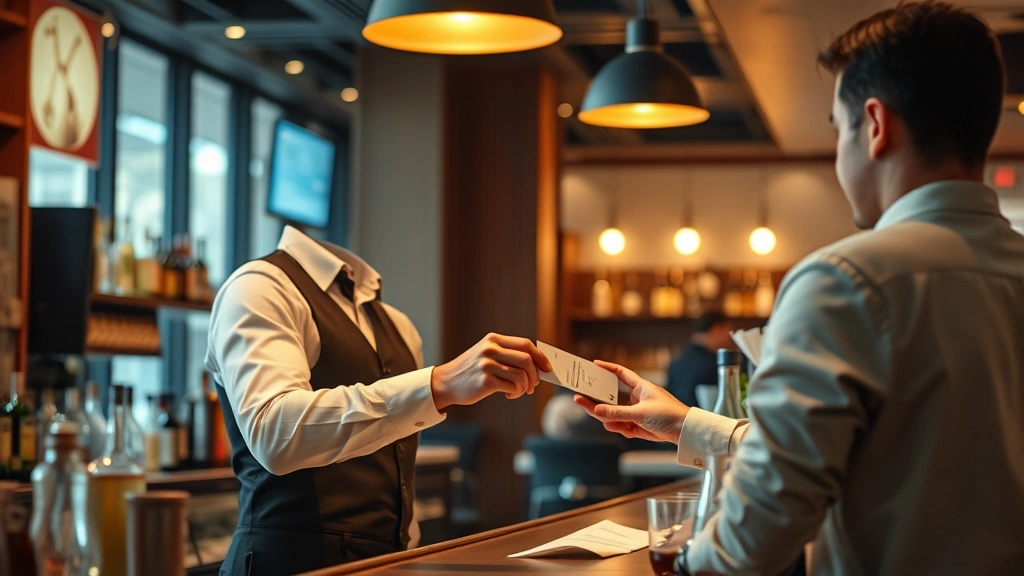
Valid identification is required for all alcohol purchases. Acceptable forms include driver’s licenses, state ID cards, passports, and military identification. Retailers must verify identification before completing any sale, and accepting false identification can result in significant liability. Individuals attempting to purchase alcohol with fake identification face criminal charges, while retailers who fail to verify ID face license suspension or revocation.
Utah also prohibits the consumption of alcohol by minors in any location, including private residences. Parents who knowingly allow underage drinking on their property can face criminal charges for contributing to the delinquency of a minor. This strict approach reflects the state’s commitment to preventing youth alcohol consumption and associated public health concerns.
DUI and Impaired Driving Laws
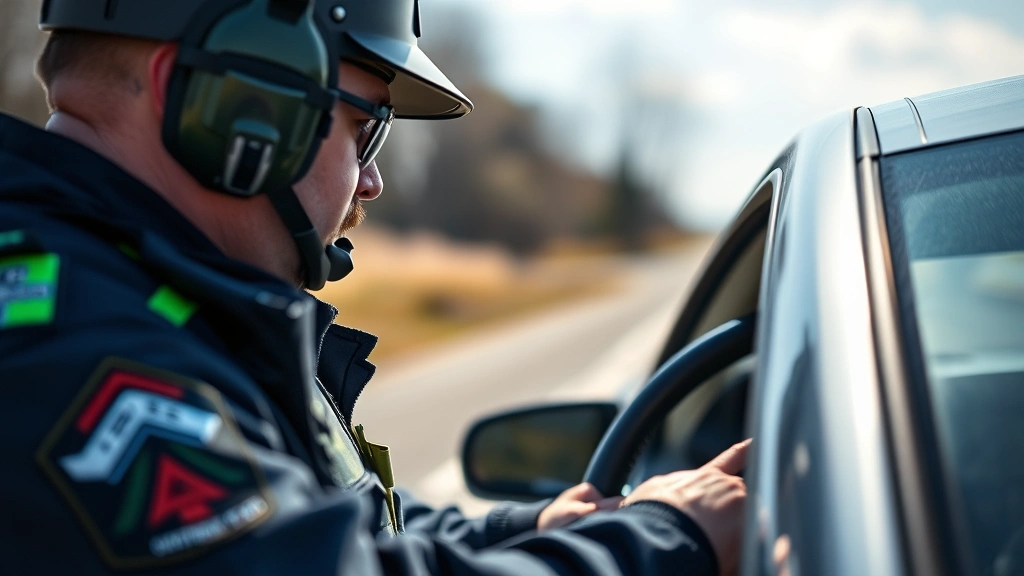
Utah maintains some of the nation’s strictest impaired driving laws, with a blood alcohol concentration (BAC) limit of 0.05% for drivers 21 and older—lower than the federal standard of 0.08%. This enhanced standard reflects the state’s aggressive approach to preventing drunk driving and reducing alcohol-related traffic fatalities.
Drivers under 21 face a zero-tolerance policy, with any detectable alcohol in their system constituting a violation. Commercial drivers are subject to a 0.04% BAC limit. These thresholds mean that even moderate alcohol consumption can result in DUI charges in Utah, making it particularly important for drivers to understand the implications of alcohol consumption before operating vehicles.
Law enforcement can conduct DUI investigations based on reasonable suspicion of impairment, even if BAC levels are below the statutory limit. Field sobriety tests and preliminary breath tests are commonly used to establish probable cause for arrest. Drivers have the right to refuse these tests, though refusal carries separate legal consequences and can be used as evidence of guilt at trial.
Upon arrest for DUI, drivers face an automatic license suspension through the administrative licensing action (ALA) process, separate from criminal court proceedings. This suspension occurs even before conviction, making immediate legal counsel essential. Convictions result in mandatory jail time, substantial fines, license revocation, and completion of alcohol education programs.
Utah law also prohibits driving under the influence of any substance that impairs driving ability, including prescription medications and controlled substances. This broader impairment standard means that even legal medications can result in DUI charges if they affect driving ability. Consulting with an attorney experienced in legal matters is crucial when facing impaired driving allegations.
Open Container and Public Consumption Laws
Utah prohibits open containers of alcohol in vehicles, with strict penalties for violations. An open container is defined as any vessel containing alcohol with a broken seal or partially consumed contents. This includes beer cans, wine bottles, and liquor bottles, regardless of whether they are actively being consumed.
Open container violations apply to all vehicle occupants, not just drivers. Passengers cannot possess open containers of alcohol in vehicles, even if they are not drinking. Violations result in fines and can complicate other legal matters. The law applies to private vehicles, taxis, rideshare vehicles, and all other motorized transportation.
Public consumption of alcohol is strictly regulated throughout Utah. Drinking alcohol in parks, streets, parking lots, and other public spaces violates state law, with exceptions limited to licensed establishments and private property. These restrictions are broadly enforced, particularly in downtown areas and locations frequented by tourists.
Violations of open container and public consumption laws typically result in citations, fines, and potential misdemeanor charges depending on circumstances. Repeat offenses can lead to more severe penalties and criminal records. Understanding these restrictions is essential for visitors and residents alike, as enforcement is consistent and penalties are significant.
Alcohol Service and Establishment Regulations
Restaurants, bars, and other establishments serving alcohol must comply with extensive regulatory requirements. All servers and managers must complete state-approved alcohol education training, covering responsible service practices, age verification, and legal obligations. This training is mandatory and must be renewed periodically.
Licensed establishments must maintain specific hours of operation for alcohol service. Beer and wine can be sold at off-premises retailers (grocery stores, convenience stores) under more liberal hours than spirits, which are sold exclusively through state stores. On-premises establishments (bars and restaurants) have designated service hours that vary by establishment type and day of week.
Establishments cannot serve visibly intoxicated individuals, and servers have a legal obligation to refuse service when appropriate. This responsibility extends to monitoring patron behavior and preventing intoxication on the premises. Failure to comply with these obligations can result in establishment liability if intoxicated patrons cause harm.
Licensed establishments must maintain proper records of alcohol inventory, sales, and service. The DABT conducts regular inspections to ensure compliance with regulations. Violations can result in fines, suspension of service hours, or complete license revocation. Operating an establishment without proper licensing carries criminal penalties.
Penalties and Enforcement
Utah alcohol law violations carry progressively severe penalties based on offense type and history. First-offense DUI convictions result in mandatory jail time (minimum 24 hours to maximum 6 months depending on BAC level), fines ranging from $600 to $1,000, and license suspension. Subsequent offenses carry substantially higher penalties, including extended incarceration and license revocation.
Underage drinking convictions result in fines, community service, and mandatory alcohol education programs. A conviction creates a permanent criminal record affecting employment, education, and housing opportunities. Parents can also face charges for allowing underage drinking on their property, with similar penalties.
Public intoxication charges result in fines and potential jail time, particularly for repeat offenders. These charges can complicate other legal matters and may intersect with charges related to filing a police report if you’re the reporting party with prior convictions.
License suspension and revocation are automatic consequences of DUI convictions and administrative violations. Reinstating driving privileges requires completion of mandatory programs, payment of reinstatement fees, and proof of financial responsibility. These administrative consequences often prove as burdensome as criminal penalties.
Law enforcement conducts regular compliance checks at establishments serving alcohol, with undercover operations targeting underage service. Retailers and servers who fail these checks face criminal charges, license suspension, and civil liability. These enforcement efforts reflect the state’s serious commitment to alcohol law compliance.
Special Considerations for Businesses
Alcohol beverage businesses face unique regulatory and legal considerations beyond standard compliance. Establishments must obtain proper licensing from the DABT, with separate licenses required for on-premises service (bars, restaurants) and off-premises sales (retail stores). The application process is extensive and requires background checks, financial documentation, and proof of compliance with local zoning requirements.
Dram shop liability is a critical concern for establishments serving alcohol. Utah law holds establishments liable for injuries caused by intoxicated patrons they served, particularly when the establishment knew or should have known the patron was intoxicated. This liability extends to third parties injured by intoxicated individuals, making responsible service practices essential.
Businesses must maintain comprehensive liability insurance covering alcohol-related incidents. This insurance protects against dram shop claims and other alcohol-related liabilities. Insurance providers often require documentation of employee training, responsible service policies, and compliance with state regulations.
Employment matters in alcohol service businesses involve additional legal considerations. Employees must maintain valid licenses, complete required training, and comply with service restrictions. Termination of employees for alcohol-related violations must follow proper procedures, potentially involving documentation similar to concerns addressed in wrongful dismissal law analysis.
Advertising and promotional activities face strict regulation in Utah. Establishments cannot advertise alcohol in ways that appeal to minors or promote excessive consumption. Marketing materials must comply with state guidelines, and violations can result in fines and license restrictions.
Local ordinances often impose additional requirements beyond state law. Salt Lake City, Provo, and other municipalities may have stricter regulations regarding hours of operation, density of establishments, and proximity to schools or youth facilities. Businesses must research local requirements in addition to state regulations.
Franchise operations and multi-location businesses must ensure compliance across all locations, as violations at one location can jeopardize licenses at others. Corporate oversight and standardized training programs are essential for managing compliance across multiple establishments.
FAQ
What is the legal drinking age in Utah?
The legal drinking age in Utah is 21 years old for all types of alcoholic beverages. No exceptions exist for beer, wine, or spirits, and no parental provision is permitted. Utah enforces this age restriction strictly through regular compliance checks and criminal penalties for violations.
Can I drink and drive in Utah if my BAC is below 0.08%?
No. Utah’s DUI threshold is 0.05% BAC for drivers 21 and older, which is significantly lower than the federal standard. Even if your BAC is below 0.08%, you can still face DUI charges if your BAC exceeds 0.05% or if you show signs of impairment. This makes Utah one of the strictest states regarding impaired driving.
What are the penalties for underage drinking in Utah?
Underage drinking convictions result in fines, community service, mandatory alcohol education programs, and a permanent criminal record. Parents can also face charges for allowing underage drinking on their property. The criminal record can affect employment, education, and housing opportunities for years.
Can restaurants serve alcohol in Utah?
Yes, restaurants with proper licensing can serve beer, wine, and spirits. However, they must follow strict service hours, verify customer age, refuse service to visibly intoxicated individuals, and maintain trained staff. Restaurants are liable for injuries caused by intoxicated patrons under dram shop liability laws.
Where can I buy alcohol in Utah?
Beer and wine can be purchased at licensed retailers including grocery stores and convenience stores during designated hours. Spirits are sold exclusively through state-owned DABT stores. On-premises consumption at licensed restaurants and bars is also available during authorized service hours.
What happens if I refuse a breathalyzer test in Utah?
Refusing a breath or blood test in Utah results in automatic license suspension and carries severe legal consequences. Your refusal can be used as evidence of guilt at trial, and you face additional penalties beyond DUI charges. Consulting with an attorney immediately after arrest is essential.
Can I have an open container of alcohol in my car in Utah?
No. Utah prohibits open containers in vehicles, even if they are not being consumed. Passengers cannot possess open containers, and violations result in fines and potential misdemeanor charges. All alcohol in vehicles must remain sealed and unopened.
What is dram shop liability in Utah?
Dram shop liability holds establishments serving alcohol responsible for injuries caused by intoxicated patrons. If an establishment serves someone who is visibly intoxicated or underage, and that person causes injury, the establishment can be held liable. This applies to both third-party injuries and patron injuries.
How do I challenge a DUI charge in Utah?
Challenging a DUI charge requires examining the legality of the traffic stop, field sobriety tests, and breathalyzer administration. An experienced attorney can identify procedural errors, challenge test reliability, and negotiate with prosecutors. Administrative license suspension can be challenged separately from criminal proceedings.
Are there any exceptions to Utah’s alcohol laws?
Limited exceptions exist for religious ceremonies and medical purposes, but these require specific documentation and approval. No general exceptions exist for age restrictions, impaired driving laws, or public consumption prohibitions. The state maintains strict enforcement of alcohol regulations across all circumstances.


