Understanding Utah Liquor Laws: Legal Insights
Utah maintains some of the most restrictive liquor laws in the United States, shaped by the state’s historical, cultural, and religious influences. Whether you’re a resident, business owner, or visitor, understanding these regulations is essential to avoiding legal complications. This comprehensive guide explores the nuances of Utah’s alcohol regulations, licensing requirements, and the consequences of non-compliance.
The state’s approach to alcohol regulation differs significantly from neighboring states, creating a unique legal framework that affects everything from retail sales to restaurant service. Utah’s Department of Alcoholic Beverage and Tobacco Services (DABT) oversees enforcement, and the state legislature continuously refines these laws to reflect community values and public health concerns. Navigating this landscape requires knowledge of specific rules governing beer, wine, spirits, and consumption venues.
Overview of Utah Alcohol Regulation
Utah’s alcohol laws are among the strictest in America, primarily due to the influence of The Church of Jesus Christ of Latter-day Saints, which discourages alcohol consumption among its members. The state’s regulatory framework balances religious and cultural traditions with modern commerce and individual freedoms. Understanding the foundational principles helps explain why certain restrictions exist and how they’re enforced.
The Department of Alcoholic Beverage and Tobacco Services (DABT) operates under Utah Code Title 32B, which establishes the comprehensive regulatory system. This department issues licenses, conducts inspections, and enforces compliance across all alcohol categories. The agency works closely with local law enforcement and county authorities to maintain public safety and prevent illegal sales.
Unlike many states with liberal alcohol policies, Utah requires businesses to obtain specific licenses for each type of beverage they wish to sell. This tiered system ensures that retailers understand their obligations and maintain compliance with state standards. The state also imposes strict limitations on advertising, pricing, and promotional activities related to alcoholic beverages.
Utah distinguishes between different beverage categories: beer (including craft and imported varieties), wine, and spirits. Each category faces different regulations regarding alcohol content, sales locations, and service rules. Understanding these distinctions is crucial for business compliance and consumer awareness.
The state’s commitment to responsible alcohol service extends to training requirements for employees in establishments that sell or serve alcohol. Many jurisdictions mandate server certification programs, ensuring staff understand age verification, responsible service practices, and legal obligations.
Types of Liquor Licenses in Utah
Utah’s licensing system is complex and restrictive, with multiple license categories designed for different business types and beverage categories. Each license type carries specific requirements, fees, and operational restrictions that licensees must understand and maintain.
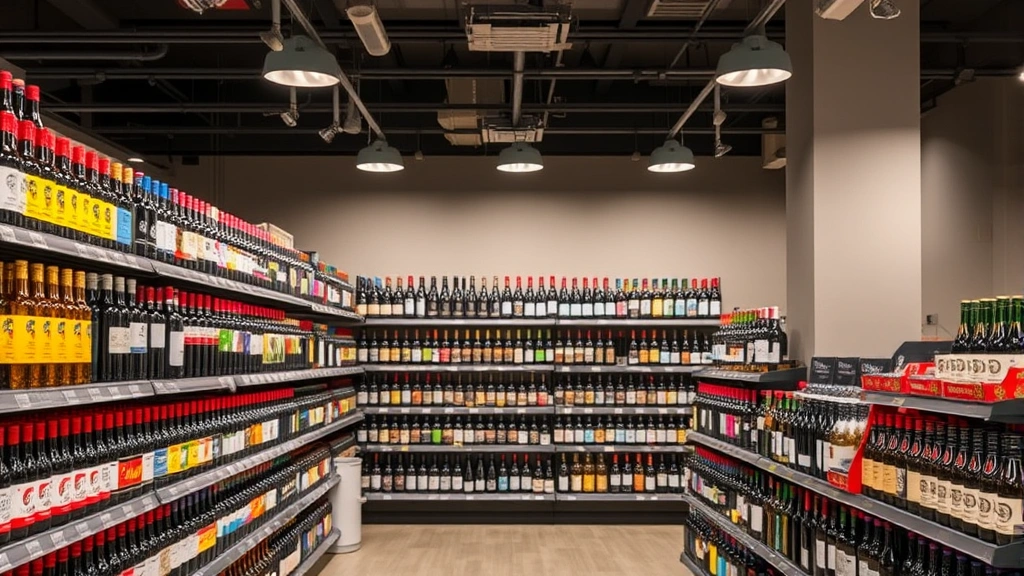
Off-Premise Licenses allow retailers to sell alcohol for consumption off-site. These include package liquor stores, grocery stores, and gas stations. Beer and wine can be sold through more venues than spirits, which are exclusively available through state-operated stores or specific licensed retailers. The state maintains tight control over spirits distribution to ensure quality control and tax revenue.
On-Premise Licenses permit establishments like restaurants, bars, and hotels to serve alcohol for on-site consumption. These licenses require comprehensive background checks, financial disclosures, and proof of adequate facilities for serving alcohol responsibly. Restaurants must demonstrate that alcohol sales don’t constitute more than a certain percentage of overall revenue, ensuring alcohol remains secondary to food service.
Manufacturing Licenses are available for breweries, wineries, and distilleries. Utah has experienced significant growth in craft beverage production, and the state has adapted its regulations to support local producers while maintaining quality standards. Manufacturers must comply with federal regulations and state-specific requirements regarding production, labeling, and distribution.
Special Event Licenses allow temporary alcohol service at festivals, fundraisers, and community events. These limited-duration licenses require event organizers to demonstrate responsible service protocols and security measures. The application process includes background checks and proof of liability insurance.
Obtaining any license requires substantial documentation, including ownership verification, financial statements, property control documentation, and detailed operational plans. Applicants must demonstrate good moral character and pass background investigations. The licensing process typically takes several months, and approval isn’t guaranteed even after meeting all requirements.
Alcohol Sales Restrictions and Hours
Utah imposes strict limitations on when and where alcohol can be sold, creating a framework that differs substantially from national norms. These restrictions apply differently to beer, wine, and spirits, reflecting the state’s layered regulatory approach.
Off-Premise Sales Hours: Package liquor stores and other off-premise retailers can sell beer and wine Monday through Sunday, 11:00 AM to midnight. However, spirits sales occur exclusively through state-operated stores or specific licensed retailers with more limited hours. Sunday sales begin at 11:00 AM, while weekday hours typically extend from 11:00 AM to 10:00 PM. Some jurisdictions impose earlier closing times based on local ordinances.
On-Premise Service Hours: Bars and restaurants serving alcohol must cease service at 2:00 AM for beer and wine, with spirits service ending at 1:00 AM. On-premise establishments can begin service at 10:00 AM on weekdays and 11:00 AM on Sundays. These hours apply statewide unless local authorities impose stricter limitations.
Happy Hour Restrictions: Utah prohibits “happy hours” and discounted alcohol promotions designed to encourage consumption. This includes price reductions, “two-for-one” specials, and promotional giveaways of alcoholic beverages. Establishments violating these restrictions face significant penalties and potential license suspension.
Location Restrictions: Alcohol sales are prohibited near schools, parks, and youth facilities. Specific distance requirements vary by jurisdiction, and applicants must verify compliance before opening retail locations. Some counties maintain additional restrictions on the number of licenses issued within geographic areas.
Utah also restricts alcohol sales in certain venues entirely. For example, movie theaters cannot sell alcohol, and sporting events have specific regulations regarding beverage sales. These restrictions aim to prevent alcohol consumption in family-oriented environments.
Age Verification and Underage Drinking Laws
Utah enforces strict underage drinking laws with significant penalties for both minors and those who provide alcohol to them. The legal drinking age is 21, consistent with federal standards, and enforcement is rigorous across the state.
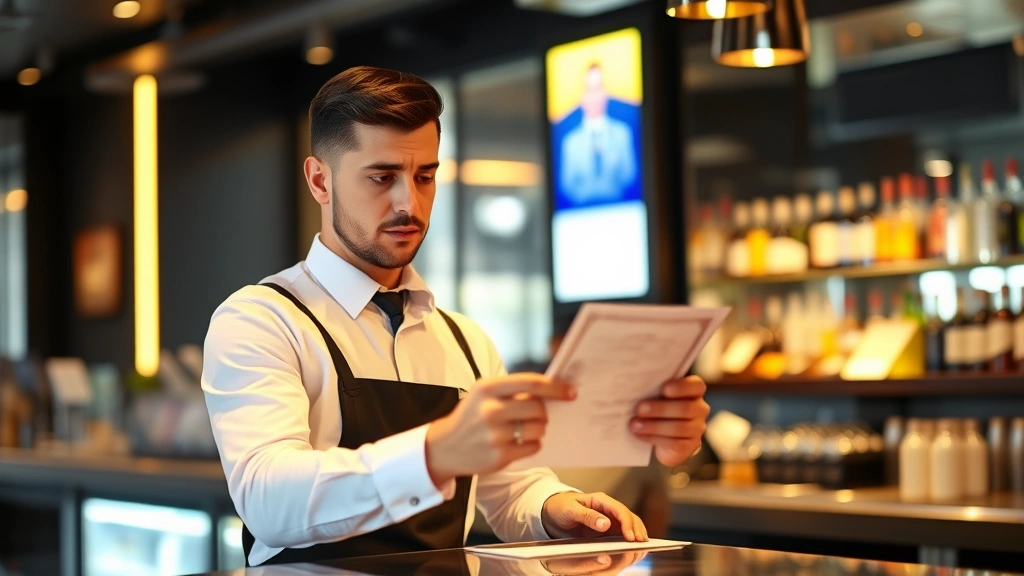
Age Verification Requirements: Retailers and servers must verify identification for anyone appearing under 40 years old. Valid identification includes driver’s licenses, passports, and military ID cards. Digital ID systems are increasingly accepted, but retailers must ensure proper verification technology is employed. Accepting expired identification or failing to verify age results in violations and potential criminal liability.
Underage Drinking Penalties: Minors found in possession of alcohol face misdemeanor charges with fines ranging from $100 to $1,000 and potential jail time. First-time offenders may have charges reduced or dismissed through completion of alcohol education programs. Repeat offenses carry enhanced penalties and potential driver’s license suspension.
Providing Alcohol to Minors: Adults who provide alcohol to minors commit a felony offense, particularly if the minor is injured as a result. This applies to parents, guardians, and strangers alike. Penalties include substantial fines, imprisonment, and civil liability for any injuries or damage resulting from the minor’s alcohol consumption.
Social Host Liability: Utah recognizes social host liability in certain circumstances, meaning homeowners or event hosts can face legal consequences if they knowingly allow underage drinking on their property. This extends to adults who host parties where minors consume alcohol without active prevention measures.
Schools and youth organizations implement alcohol prevention programs aligned with state law, educating young people about legal consequences and health risks. These educational initiatives complement enforcement efforts and help reduce underage drinking rates.
DUI and Impaired Driving Penalties
Utah maintains some of the nation’s strictest DUI laws, with enhanced penalties for impaired driving. The state defines DUI as operating a vehicle with a blood alcohol content (BAC) of 0.05% or higher, lower than the 0.08% federal standard. This lower threshold reflects Utah’s commitment to traffic safety.
First Offense Consequences: A first DUI conviction results in license suspension for 120 days, minimum fines of $1,310 to $2,600, and up to 6 months imprisonment. Offenders must complete alcohol education courses and may require ignition interlock device installation. The conviction appears on criminal records and affects employment, housing, and professional licensing.
Subsequent Offenses: Second and third offenses within ten years carry progressively harsher penalties, including extended license suspension, increased fines exceeding $10,000, and prison sentences up to five years. Mandatory ignition interlock devices become standard, and offenders must complete extended rehabilitation programs.
Felony DUI: A third DUI within ten years or any DUI involving injury or death constitutes a felony. Felony DUI convictions carry substantial prison time, lifetime license revocation, and permanent criminal records affecting all aspects of life.
Implied Consent Laws: Utah’s implied consent law requires drivers to submit to breath or blood testing when lawfully arrested for DUI. Refusing testing results in automatic license suspension and additional criminal charges, even if the underlying DUI charge is dismissed.
Utah also enforces strict penalties for commercial driver’s license holders, with DUI convictions resulting in permanent disqualification from commercial driving. This affects employment opportunities for those in transportation industries.
Private Club and On-Premise Regulations
Utah permits private clubs to operate under specific regulations that differ from traditional bars and restaurants. These establishments must maintain strict membership requirements and comply with additional operational standards.
Private Club Requirements: Clubs must have established bylaws, maintain membership records, and restrict entry to members and their guests. Members typically pay initiation fees and monthly dues, demonstrating genuine membership status rather than public access. The state requires clubs to maintain adequate facilities and demonstrate responsible alcohol service practices.
Service and Consumption Rules: Private clubs must serve food with alcohol sales, similar to restaurant requirements. Members cannot bring outside alcohol onto club premises, and servers must maintain responsible service standards identical to public establishments. Clubs must implement age verification procedures and comply with service hour restrictions.
Special Event Permits: Clubs hosting special events may apply for temporary expanded service hours, subject to approval by local authorities and the state. These permits require demonstration of adequate security, responsible service staff, and liability insurance.
Private clubs face the same enforcement scrutiny as public establishments regarding underage drinking, over-service, and regulatory violations. The state regularly inspects club facilities and reviews membership records to ensure compliance.
Local Ordinances and County Variations
Utah’s liquor laws operate within a framework where individual counties and municipalities can impose additional restrictions beyond state minimums. This creates a complex patchwork of regulations that vary significantly by location.
County-Level Restrictions: Some counties maintain prohibition on certain alcohol types or limit the number of licenses issued. Carbon County, for example, has historically maintained stricter alcohol regulations than more urban counties. Prospective business owners must research local ordinances before planning alcohol retail operations.
Municipal Zoning: Cities establish zoning restrictions determining where alcohol sales can occur. Some municipalities prohibit alcohol sales in downtown areas or residential zones, while others encourage such businesses in designated commercial districts. These zoning decisions significantly impact business viability and location selection.
Local License Quotas: Many jurisdictions limit the number of licenses available, operating on a quota system based on population or geographic areas. This creates competition for available licenses and may require applicants to purchase existing businesses or licenses from current owners.
Community Standards: Local ordinances often reflect community values regarding alcohol availability and service. Some communities impose earlier closing times, stricter happy hour prohibitions, or additional server training requirements beyond state minimums.
Businesses operating across multiple jurisdictions must understand and comply with all applicable local rules. Legal consultation is advisable before opening establishments in new locations.

Penalties for Violations
Utah enforces liquor laws through a comprehensive penalty system addressing various violation categories. Penalties escalate based on violation severity and offender history.
Administrative Penalties: The Department of Alcoholic Beverage and Tobacco Services can impose administrative fines, ranging from $500 to $5,000 for first violations. These penalties apply to operational violations like serving outside permitted hours, failing age verification, or improper record maintenance. Repeated violations within specified periods result in enhanced penalties.
License Suspension and Revocation: Serious violations or repeated infractions result in license suspension or revocation. Suspension periods typically last 10 to 30 days, while revocation is permanent. Revoked license holders must wait years before reapplying, and approval isn’t guaranteed.
Criminal Penalties: Violations involving minors, over-service resulting in injury, or operating without proper licenses constitute criminal offenses. Criminal penalties include fines exceeding $10,000 and imprisonment up to one year for misdemeanors. Felony violations carry substantially higher penalties.
Civil Liability: Establishments serving alcohol bear liability for injuries or damage resulting from patron intoxication. This includes drunk driving accidents, assaults, and property damage. Civil judgments can exceed criminal penalties and may bankrupt businesses.
The state also pursues civil asset forfeiture in cases involving illegal alcohol sales, seizing equipment, vehicles, and property used in violations. This additional penalty layer creates significant financial risk for non-compliant operations.
FAQ
Can I bring alcohol into Utah from another state?
Utah law permits personal importation of alcohol for private consumption, but quantity restrictions apply. You cannot transport alcohol across state lines with intent to sell, and transporting alcohol for minors is illegal. Federal law also restricts importation of certain beverages.
Are there differences between beer, wine, and spirits regulations?
Yes, significantly. Beer and wine face fewer restrictions than spirits, which are exclusively sold through state-operated stores or licensed retailers. Off-premise availability differs substantially, with beer and wine available at many retailers while spirits distribution remains tightly controlled.
What is Utah’s stance on marijuana compared to alcohol?
Utah prohibits recreational marijuana entirely, maintaining stricter restrictions than alcohol. Only limited medical marijuana is permitted under specific conditions. This reflects the state’s overall approach to substance regulation.
Can I operate a bar without a restaurant component?
Traditional bars face restrictions under Utah law. Most establishments serving alcohol must also serve food, and alcohol cannot be the primary business focus. Specific licensing categories determine whether food service is mandatory.
What should businesses do to ensure compliance?
Businesses should obtain proper licensing, implement comprehensive staff training, maintain detailed records, verify age consistently, and monitor local ordinance changes. Regular consultation with legal professionals familiar with Utah liquor law is advisable for ongoing compliance.
Are there any recent changes to Utah liquor laws?
Utah’s legislature regularly updates liquor regulations. Recent changes have addressed craft beverage manufacturing, special event licensing, and digital ID verification. Staying informed through official state resources is essential for current information.


