
Is Rebellion Legal? A Lawyer’s Insight on Civil Disobedience and the Rule of Law
The phrase “when tyranny becomes law, rebellion becomes duty” resonates throughout history, yet it raises profound legal questions that demand careful analysis. As legal professionals, we must examine the distinction between moral imperatives and legal justifications for challenging governmental authority. This exploration requires understanding constitutional frameworks, the doctrine of civil disobedience, and the consequences individuals face when they choose resistance over compliance.
Rebellion—whether understood as civil disobedience, active resistance, or revolutionary action—occupies a complex space in legal systems worldwide. While no modern legal code explicitly permits citizens to overthrow their government, most democratic constitutions contain mechanisms for peaceful change and protections for dissent. Understanding when and how rebellion operates within, against, or beyond legal frameworks is essential for anyone seeking to comprehend the relationship between law, justice, and social change.
The Legal Definition of Rebellion
Legally speaking, rebellion is typically defined as an act of violent or organized resistance against established authority, particularly governmental authority. In most jurisdictions, rebellion constitutes a serious criminal offense. The U.S. Department of Justice and similar bodies worldwide treat rebellion under statutes addressing sedition, treason, or insurrection. These laws criminalize attempts to overthrow governments or prevent governmental functions through force.
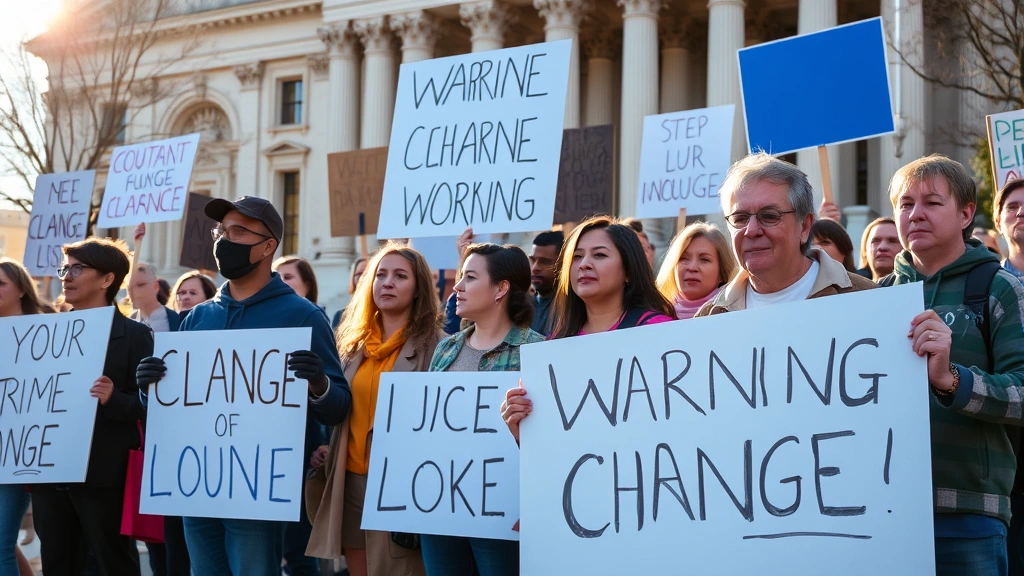
The legal framework distinguishes rebellion from mere protest or advocacy. Protected speech—including harsh criticism of government—differs fundamentally from organized armed resistance. Understanding this distinction is crucial for anyone studying constitutional law or civil vs criminal law distinctions. When individuals cross from exercising free speech rights into coordinated violent action, they enter territory where law enforcement intervention becomes legally justified.
Different jurisdictions define rebellion with varying specificity. Some statutes focus on the intent to overthrow government; others emphasize the means employed. The Model Penal Code and similar frameworks typically require proof of organized conspiracy combined with overt acts toward the stated objective. This legal precision matters because it determines what conduct triggers criminal liability and what consequences follow.
Constitutional Protections for Dissent
Democratic constitutions paradoxically protect the right to criticize government while criminalizing attempts to overthrow it. The First Amendment to the U.S. Constitution, for example, protects freedom of speech and petition even when that speech is deeply critical of governmental policies or structure. This protection reflects a foundational principle: legitimate governments need not fear words, only organized violence.
The right to petition government for redress of grievances—enshrined in democratic constitutions worldwide—creates legal pathways for challenging laws and policies. Citizens dissatisfied with current governance can organize politically, vote, lobby, protest, and advocate for constitutional amendments. These mechanisms exist precisely to channel discontent into legal processes rather than violent rebellion. Understanding law school requirements and legal education helps citizens comprehend these constitutional protections more deeply.
Constitutional law scholars recognize that these protections serve a dual function: they preserve individual liberty while maintaining governmental stability. By permitting robust criticism and peaceful protest, democratic systems reduce the perceived necessity for violent rebellion. The assumption underlying this framework is that peaceful means for change exist and remain accessible to dissenting populations.
However, these protections have limits. The Supreme Court has consistently held that speech directly inciting imminent lawless action lacks constitutional protection. Organizing armed rebellion, even through speech, crosses this threshold. The distinction between protected advocacy for systemic change and unprotected incitement to violence remains a central concern in First Amendment jurisprudence.
Civil Disobedience vs. Criminal Rebellion
Civil disobedience represents a legally and morally distinct category from armed rebellion. Civil disobedience, as articulated by practitioners like Mahatma Gandhi and Martin Luther King Jr., involves deliberately breaking laws deemed unjust while accepting legal consequences. This approach differs fundamentally from rebellion because it maintains commitment to legal processes even while challenging specific laws.
The civil disobedient accepts arrest, prosecution, and punishment as the price of conscience. By doing so, they appeal to the moral sensibilities of the broader public and legal system. They argue, in effect, that a particular law or policy violates fundamental justice principles and that their violation of that law demonstrates the injustice requiring remedy. This strategy has proven effective in numerous historical contexts, from the civil rights movement to environmental activism.
Criminal rebellion, by contrast, seeks to avoid legal consequences and fundamentally rejects the authority of existing legal institutions. Armed insurgents do not peacefully accept arrest; they resist enforcement efforts. They do not appeal to existing legal mechanisms for change but rather attempt to replace those mechanisms entirely. This distinction matters legally because it determines how courts and enforcement agencies respond.
Studying is law school hard includes grappling with these philosophical distinctions embedded in legal doctrine. Law students learn that rebellion and civil disobedience occupy different moral and legal universes, even when both challenge existing rules. The legal system recognizes civil disobedience as a form of protected (if punishable) conscience; it treats rebellion as a threat requiring suppression.
Key distinctions include:
- Civil disobedience accepts legal consequences; rebellion resists them
- Civil disobedience challenges specific laws; rebellion challenges governmental authority itself
- Civil disobedience operates within legal frameworks; rebellion operates outside them
- Civil disobedience appeals to moral reasoning; rebellion employs force
Historical Legal Precedents
History provides instructive examples of how legal systems have addressed rebellion. The American Revolution itself was, from the British legal perspective, a rebellion and act of treason. Yet the successful revolutionaries subsequently created a new legal system protecting rights and limiting government power. This historical fact raises uncomfortable questions: was the rebellion illegal under British law (certainly) yet justified morally (many argue yes)?
The Nuremberg Trials after World War II established important precedent regarding the limits of legal authority. Judges held that individuals could be held criminally responsible for following governmental orders that violated fundamental human rights. This doctrine—that legality cannot shield fundamentally unjust actions—suggests limits to governmental authority that transcend written law. Yet even Nuremberg recognized this principle through legal proceedings, not violent rebellion.
The U.S. Supreme Court has never explicitly authorized rebellion against governmental authority, even when that authority acts unconstitutionally. Instead, the Court has developed doctrines of constitutional limitation and judicial review to address governmental overreach. These legal mechanisms theoretically prevent the accumulation of tyrannical power without requiring citizens to resort to violence.
International law, as developed through the United Nations and human rights frameworks, recognizes certain rights as inalienable and governments’ authority as limited by these rights. Yet even international law addresses governmental violations through legal mechanisms—sanctions, international courts, diplomatic pressure—rather than authorizing citizen rebellion.
The Tyranny Question: When Does Law Become Illegitimate
The aphorism “when tyranny becomes law, rebellion becomes duty” presupposes that tyranny can become law—that legal pronouncements can lose their moral and political legitimacy. This proposition remains philosophically contentious and legally unresolved in most jurisdictions. No court has definitively answered when, if ever, citizens possess legal justification to rebel against governmental authority.
Legal philosophers from Thomas Hobbes to John Locke grappled with this question. Locke argued that governments derive legitimacy from consent of the governed and that persistent violation of fundamental rights dissolves governmental authority, justifying resistance. Yet Locke wrote before modern constitutional frameworks existed. Contemporary legal systems attempt to prevent tyranny through structural limitations rather than permitting citizen rebellion as a remedy.
Modern constitutional law addresses tyranny through several mechanisms:
- Separation of powers: Dividing governmental authority prevents concentration of tyrannical power
- Bill of Rights: Constitutional protection of fundamental rights limits governmental action
- Judicial review: Courts can declare governmental actions unconstitutional
- Electoral processes: Citizens can remove officials through voting
- Constitutional amendment: Fundamental changes can occur through legal procedures
These mechanisms theoretically make violent rebellion unnecessary. When governmental power violates constitutional limits, citizens possess legal remedies. Courts exist to enforce those limits. If courts fail—if the entire judicial system becomes corrupted—the constitutional framework has arguably collapsed, but this represents governmental failure to maintain its own legitimacy, not legal authorization for rebellion.
The question of when law becomes tyrannical remains a matter of judgment, not legal determination. No legislature can declare its own laws tyrannical; no court can authorize rebellion against itself. This logical problem means that the decision to rebel ultimately rests on individual conscience operating outside legal frameworks, even if that rebellion subsequently receives legal vindication through new governmental structures.
Legal Consequences of Rebellion
For those who engage in rebellion without achieving successful revolution, legal consequences are severe. Most jurisdictions classify rebellion, insurrection, or sedition as serious felonies carrying substantial prison sentences. The U.S. Code, for example, criminalizes seditious conspiracy with penalties up to 20 years imprisonment. Similar provisions exist throughout common law and civil law jurisdictions.
Beyond criminal penalties, rebellion carries civil consequences. Property can be seized, citizenship can be revoked, and individuals can face permanent legal disabilities. Family members may face liability, particularly for financial support of rebellious activity. These consequences exist precisely to deter rebellion and encourage use of legal mechanisms for change.
Understanding criminal law consequences requires studying can you take the bar without going to law school and similar legal education pathways that teach how criminal statutes structure penalties. Rebellion statutes typically include graduated penalties based on the seriousness of conduct—mere conspiracy carries lesser penalties than actual violence or property destruction.
Internationally, individuals engaged in rebellion may face extradition and prosecution in multiple jurisdictions. International law generally does not recognize political offense exception for terrorism-related conduct, meaning that those engaged in violent rebellion cannot easily flee one country for sanctuary in another. This global legal framework reflects international consensus that violent rebellion threatens stability worthy of universal criminal response.
However, successful rebellion changes these legal consequences retroactively. Revolutionary governments typically grant amnesty to participants in successful rebellions while prosecuting those who resisted. This creates perverse incentives where legality depends entirely on success—a morally troubling but historically consistent pattern.
Modern Examples and Case Studies
Contemporary examples illuminate how legal systems address rebellion in practice. The January 6, 2021 Capitol riot in the United States resulted in hundreds of criminal prosecutions for seditious conspiracy, obstruction, and related offenses. These prosecutions proceeded under existing law without requiring new legislation, demonstrating that modern legal systems possess tools to address violent rebellion.
The prosecution of seditious conspiracy in these cases raised important questions about the line between protected protest and criminal rebellion. Prosecutors argued that organized groups with intent to oppose governmental authority through force had crossed into sedition; defendants argued they engaged in protected political expression. Courts ultimately convicted numerous defendants, affirming that even in democracies with strong free speech protections, organized violent action constitutes criminal rebellion.
Internationally, the Syrian civil war provides tragic example of rebellion’s legal and human consequences. Those engaged in armed rebellion against the Assad government face prosecution for terrorism and crimes against humanity. Simultaneously, the government faces international law accusations of similar crimes. This scenario illustrates how rebellion operates outside legal frameworks, creating chaos where normal law cannot function.
The Nelson Mandela case offers contrasting example. Mandela engaged in sabotage and violent resistance to apartheid government, activities legally constituting rebellion under South African law. Yet his subsequent vindication—both morally and legally through post-apartheid government—demonstrates how rebellion against tyrannical systems can receive legal rehabilitation. Still, Mandela accepted legal consequences during his imprisonment, embodying elements of civil disobedience even while engaging in violent resistance.
These examples show that legality of rebellion depends entirely on perspective and temporal location. Actions deemed rebellious and criminal become heroic and justified once new legal systems take power. This historical reality complicates simple legal analysis but underscores that rebellion fundamentally challenges rather than operates within legal frameworks.

The Role of Law School Education in Understanding Rebellion
Legal education addresses rebellion through constitutional law, criminal law, and jurisprudence courses. Understanding when do law school applications open provides access to this intellectual training. Law students examine historical rebellions, constitutional limits on governmental power, and criminal statutes addressing sedition and insurrection.
Constitutional law courses explore the Reconstruction Amendments, which addressed rebellion’s legal aftermath. Criminal law courses examine sedition statutes and their application to modern protest movements. Jurisprudence courses grapple with philosophical questions about law’s legitimacy and when, if ever, it can become tyrannical. This comprehensive legal education prepares lawyers to advise clients, interpret statutes, and serve as officers of the court while maintaining awareness of law’s moral foundations.
The legal profession’s role in addressing rebellion remains complex. Lawyers must defend clients accused of sedition while acknowledging that legal systems depend on general compliance with law. This tension—between law’s internal logic requiring respect for legal processes and individual conscience potentially demanding defiance—remains unresolved in legal theory and practice.
FAQ
Is civil disobedience legally protected?
Civil disobedience is not legally protected from prosecution, but the deliberate violation of law combined with acceptance of legal consequences has proven tactically and morally powerful. Courts may show leniency toward civil disobedients, but they typically prosecute them. The legal system recognizes civil disobedience as a form of conscience-driven lawbreaking distinct from ordinary crime, though still criminal.
Can a government be tyrannical under law?
Yes, a government can be tyrannical while technically operating under law. If laws themselves authorize oppression—as Nazi Germany’s legal system did—the problem is not lawlessness but unjust law. This scenario illustrates why legal frameworks alone cannot guarantee justice; the content of law matters as much as its formal validity.
Do international laws address rebellion?
International law primarily addresses rebellion through terrorism and crimes against humanity statutes. The International Criminal Court prosecutes individuals for violence regardless of whether they acted as governmental agents or rebels. International law treats violent rebellion as criminal conduct subject to universal jurisdiction, though political motivations may be considered in sentencing.
What is seditious conspiracy?
Seditious conspiracy, as defined in U.S. Code Title 18, involves agreeing with others to oppose governmental authority by force or to prevent governmental functions. The statute requires proof of agreement and an overt act in furtherance of the conspiracy. Modern prosecutions have applied this statute to organized groups planning violence against government institutions.
Can someone be pardoned for rebellion?
Yes, chief executives typically possess pardon power that can extend to those convicted of rebellion or sedition. President Andrew Johnson pardoned most participants in the Confederate rebellion after the Civil War. However, pardons represent acts of mercy or policy discretion, not legal absolution. The underlying conduct remains legally defined as rebellion even if consequences are forgiven.
How do courts distinguish protest from rebellion?
Courts examine several factors: whether conduct was organized and coordinated, whether participants possessed weapons, whether they intended to use force, whether their actions targeted governmental functions, and whether they sought to overthrow authority or merely change policy. Peaceful protest, even when disruptive, differs legally from organized violent resistance.
What role does intent play in rebellion charges?
Intent is crucial in rebellion prosecutions. Accidental participation in events that become violent differs legally from deliberate coordination of violent action. Prosecutors must prove that defendants acted with knowledge of the group’s violent purpose and with intent to further that purpose. This requirement protects those who attend protests that unexpectedly turn violent from serious rebellion charges.


