
Is Organized Crime Legal? Expert Analysis
Organized crime represents one of the most serious and complex challenges to modern legal systems worldwide. The short answer is unequivocally no—organized crime is fundamentally illegal. However, the legal framework surrounding organized crime, its prosecution, and prevention involves intricate statutes, international treaties, and enforcement mechanisms that deserve comprehensive examination. Understanding how the law addresses organized criminal enterprises requires knowledge of RICO statutes, conspiracy laws, money laundering regulations, and specialized federal prosecutions.
The distinction between organized crime and ordinary criminal activity lies not merely in the severity of individual offenses but in the systematic structure, hierarchical organization, and long-term criminal enterprise that characterizes organized criminal groups. Modern legal systems have developed sophisticated approaches to combat these networks, recognizing that traditional criminal prosecution methods often prove insufficient against well-established criminal organizations.
What Constitutes Organized Crime Under Law
Organized crime, as defined by federal law and international conventions, encompasses criminal activity conducted by groups with specific organizational characteristics. The legal definition typically includes elements such as hierarchy, continuity, territorial control, use of violence or intimidation, and profit generation from illegal activities. Unlike isolated criminal acts, organized crime involves sustained criminal enterprises that operate across jurisdictions and persist over extended periods.
The U.S. Code defines organized crime through various statutes, with the most comprehensive framework found in federal racketeering laws. Criminal organizations might engage in drug trafficking, human trafficking, extortion, gambling operations, loan sharking, counterfeiting, or cybercrime. The legal distinction between organized crime and regular criminal activity hinges on the systematic nature, organizational structure, and the enterprise itself rather than individual acts.
State and federal prosecutors recognize organized crime through specific indicators: membership requirements, rules governing conduct, use of violence as enforcement mechanism, revenue-generating illegal activities, and infiltration of legitimate businesses. These characteristics distinguish organized crime from street gangs or loose criminal associations, triggering application of specialized statutes designed specifically for criminal enterprises.
Federal Statutes and RICO Legislation
The Racketeer Influenced and Corrupt Organizations (RICO) Act, enacted in 1970, represents the most powerful federal weapon against organized crime. This statute fundamentally changed how prosecutors approach organized criminal enterprises by targeting the organization itself rather than individual members. Under RICO, it is illegal to conduct or participate in the affairs of an enterprise through a pattern of racketeering activity.
RICO defines racketeering activity broadly to include numerous predicate offenses—essentially any criminal activity that forms part of the pattern. A pattern requires at least two racketeering acts within a ten-year period. The statute’s power lies in its ability to prosecute the enterprise as an entity, allowing prosecutors to charge organization leaders even if they didn’t personally commit individual crimes.
Beyond RICO, federal law provides additional tools including the Continuing Criminal Enterprise (CCE) statute, which specifically targets drug trafficking organizations. The CCE statute allows prosecution of individuals who organize, supervise, or manage criminal groups engaged in drug distribution. Penalties under CCE can exceed those for individual drug offenses, reflecting the severity with which federal law treats organized criminal enterprises.
The Travel Act, Wire Fraud Act, Mail Fraud Act, and Money Laundering Control Act all serve as predicate offenses under RICO. This interconnected statutory framework creates multiple avenues for prosecuting organized crime. Additionally, the Hobbs Act addresses extortion affecting interstate commerce, directly applicable to organized crime groups engaged in protection rackets and territorial disputes.
Federal conspiracy statutes compound these penalties. Conspiracy to commit any federal crime carries separate criminal liability, meaning members of organized crime enterprises face charges for both the underlying crimes and conspiracy to commit those crimes. This cumulative approach substantially increases potential sentences for organization members.
International Legal Framework
Organized crime transcends national borders, necessitating international legal cooperation. The United Nations Convention Against Transnational Organized Crime, adopted in 2000, provides the primary international framework. This convention, ratified by over 190 countries, establishes common definitions of organized criminal groups and obligates signatory nations to criminalize participation in organized crime groups, money laundering, and corruption.
The convention defines organized criminal groups as structured associations of three or more persons existing for a period and acting with the aim of committing serious crimes. This international standard harmonizes legal approaches across jurisdictions, facilitating cooperation in investigations and prosecutions. Individual nations implement the convention through domestic legislation, creating parallel legal structures for addressing organized crime.
Interpol, Europol, and bilateral law enforcement agreements enable coordination across borders. The United States maintains mutual legal assistance treaties with numerous countries, allowing evidence gathering, witness testimony, and extradition of organized crime suspects. These international mechanisms recognize that modern organized crime requires coordinated legal responses spanning multiple jurisdictions.
The Financial Action Task Force (FATF) develops standards for combating money laundering and terrorist financing, directly addressing how organized crime groups launder proceeds from illegal activities. FATF recommendations guide countries in implementing financial regulations that detect and prevent organized crime financing. This financial enforcement component represents a crucial evolution in anti-organized crime law.
Prosecution and Enforcement Strategies
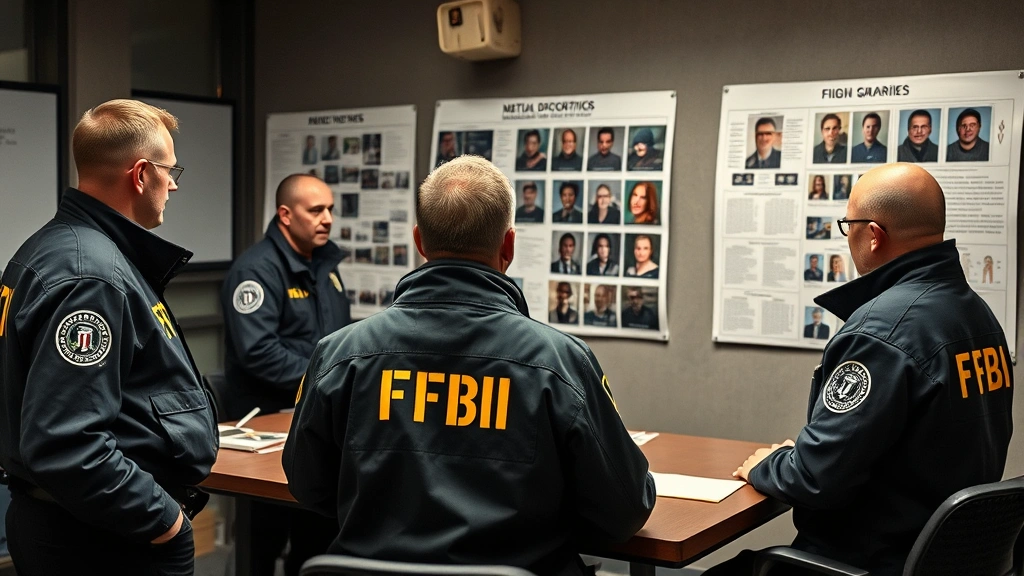
Prosecuting organized crime requires specialized knowledge and resources. Federal prosecutors, particularly those in the Criminal Division’s Organized Crime and Gang Section, develop expertise in complex conspiracy cases involving multiple defendants and extensive evidence. These cases often span years and involve coordination between federal agencies including the FBI, DEA, ATF, and IRS.
Grand jury investigations form the foundation of organized crime prosecutions. Federal grand juries possess broad subpoena power to compel testimony and document production. Prosecutors use grand jury investigations to map organizational structures, identify key players, and develop evidence of racketeering patterns. The grand jury process, while lengthy, allows thorough investigation before charging decisions.
Undercover operations represent another critical enforcement strategy. Federal agents infiltrate criminal organizations, building relationships with members and documenting illegal activities. These operations require careful legal oversight to prevent entrapment and ensure constitutional compliance. Wiretap surveillance, authorized under Title III of the Omnibus Crime Control Act, provides electronic evidence of criminal conspiracy and organization communications.
Informant cooperation, often secured through plea agreements, provides invaluable evidence in organized crime cases. The government may offer sentence reductions or witness protection to cooperating witnesses, incentivizing testimony against higher-level organization members. However, reliance on criminal informants raises credibility concerns, requiring corroborating evidence and careful jury instruction.
State law enforcement agencies coordinate with federal authorities through task forces and joint investigations. Many states have enacted their own organized crime statutes mirroring federal RICO frameworks. This layering of federal and state jurisdiction provides redundancy—if federal prosecution fails, state charges may succeed, and vice versa. Understanding both Hawaii gun laws and federal weapons statutes becomes relevant when organized crime involves illegal firearms trafficking.
Asset Forfeiture and Financial Penalties
Civil and criminal asset forfeiture represents a powerful financial enforcement mechanism against organized crime. Under federal law, property used in furtherance of racketeering, money laundering, or drug trafficking is subject to seizure and forfeiture. This includes real estate, vehicles, bank accounts, and cryptocurrency derived from or used in organized criminal activity.
Criminal forfeiture, imposed as part of sentencing, requires conviction of the underlying offense. The government must prove that specific property is subject to forfeiture beyond a reasonable doubt. Civil forfeiture requires only preponderance of evidence, a lower standard, but provides greater procedural protections following Supreme Court decisions addressing excessive fines concerns.
Money laundering statutes impose additional criminal liability and asset seizure. The Money Laundering Control Act criminalizes knowingly engaging in financial transactions involving proceeds of specified unlawful activities, with intent to promote the unlawful activity or conceal the source. Penalties include up to 20 years imprisonment and substantial fines, with property subject to forfeiture.
Organized crime groups often launder proceeds through legitimate businesses, real estate transactions, and international financial transfers. Anti-Money Laundering (AML) regulations require banks and financial institutions to report suspicious activities and maintain customer identification information. These regulations create financial trails that law enforcement uses to trace organized crime proceeds, even when underlying predicate crimes prove difficult to prosecute directly.
RICO also provides civil remedies allowing private parties to sue for damages trebled and attorney fees. While civil RICO suits against organized crime groups are rare due to practical difficulties, the statute’s availability represents another legal tool addressing organized criminal activity. Some individuals victimized by organized crime have successfully pursued civil remedies when criminal prosecution proved insufficient.

Witness Protection and Cooperation
The federal Witness Security Program (WITSEC), established in 1970, reflects the legal system’s recognition that organized crime prosecutions depend on insider testimony. The program provides new identities, relocation, financial assistance, and security protection to witnesses and families testifying against organized crime organizations. Participation requires approval by federal prosecutors and law enforcement, and witnesses must comply with program conditions.
WITSEC’s existence acknowledges an uncomfortable reality: organized crime groups employ violence and intimidation against witnesses. The legal system’s response includes enhanced penalties for witness tampering, retaliation, and intimidation. Federal law imposes severe penalties on anyone who intimidates, threatens, or harms witnesses, making witness protection a critical component of organized crime enforcement.
Plea agreements in organized crime cases often include cooperation provisions requiring defendants to testify against higher-ranking organization members. Prosecutors carefully structure these agreements to ensure witness credibility while incentivizing truthful testimony. Courts scrutinize plea agreements in organized crime cases to prevent coerced testimony or arrangements that compromise justice.
The Sentencing Guidelines provide substantial reductions for acceptance of responsibility and cooperation. Organized crime members who provide substantial assistance may receive dramatically reduced sentences, sometimes avoiding minimum mandatory penalties. These incentives encourage cooperation but raise concerns about witness reliability and potential false testimony motivated by sentence reduction desires.
International cooperation on witness issues has expanded through mutual legal assistance treaties. Countries now routinely transfer witnesses across borders for testimony, with legal frameworks protecting witness safety and ensuring testimony admissibility in foreign proceedings. This internationalization reflects organized crime’s transnational nature and the necessity of coordinated witness protection approaches.
FAQ
Is participating in an organized crime group a separate federal offense?
Yes. Under federal law, knowingly participating in an organized crime group’s activities with knowledge of the group’s criminal purpose constitutes separate criminal liability. RICO specifically criminalizes conducting enterprise affairs through racketeering activity. Additionally, conspiracy statutes impose liability on individuals who agree to commit crimes, whether or not they personally participate in every offense.
Can organized crime members be prosecuted for crimes they didn’t personally commit?
Yes, RICO and conspiracy statutes allow prosecution based on organizational membership and participation in the enterprise. Under RICO, individuals need not personally commit predicate acts; liability attaches through participation in the enterprise’s affairs. This represents a fundamental departure from traditional criminal law requiring personal commission of acts. However, the government must prove the defendant knew of the enterprise and intended to participate in its affairs.
What distinguishes organized crime from gang activity legally?
Organized crime typically involves larger, more sophisticated operations with clear hierarchies, sustained criminal enterprises, and significant financial proceeds. Gangs may lack this organizational structure, permanence, or profit orientation. However, many state statutes now criminalize gang participation similarly to organized crime prosecution. The legal distinction sometimes blurs, particularly with large street gangs operating like criminal enterprises. Understanding weird laws in the US helps contextualize how different jurisdictions approach criminal organization definitions.
How do prosecutors prove RICO patterns of racketeering?
Prosecutors must establish at least two predicate acts (crimes) within ten years showing continuity and relationship. The pattern must demonstrate either continuity of racketeering activity or continuity plus relationship to the enterprise. Evidence includes documents, financial records, testimony, surveillance, and wiretap recordings. Prosecutors construct timelines showing ongoing criminal activity and organizational structure. Complex cases may involve expert testimony on organized crime organizational structures and operations.
Can someone be convicted of organized crime conspiracy without committing underlying crimes?
Yes. Conspiracy requires only agreement to commit crimes and an overt act in furtherance of the conspiracy. The defendant need not personally commit the target crimes; liability attaches through agreement and participation. This allows prosecution of organization leaders who direct crimes without personally committing them. However, courts require proof of agreement and knowledge of the conspiracy’s scope.
What federal agencies investigate organized crime?
The FBI maintains the primary responsibility for federal organized crime investigations. The Drug Enforcement Administration (DEA) targets drug trafficking organizations. The Bureau of Alcohol, Tobacco, Firearms and Explosives (ATF) investigates organized crime involving firearms and explosives. The Internal Revenue Service Criminal Investigation division pursues financial crimes. Homeland Security Investigations addresses international organized crime. Postal Inspection Service and Secret Service also maintain organized crime investigative responsibilities. Coordination through task forces ensures comprehensive investigation of complex criminal enterprises. Those interested in law enforcement careers should research law school cost if considering prosecutorial positions.
Are there mandatory minimum sentences for organized crime convictions?
Yes. Many organized crime offenses carry mandatory minimum sentences. Drug trafficking organizations face mandatory minimums under federal sentencing guidelines. RICO convictions may carry substantial sentences depending on predicate acts. Money laundering carries mandatory minimums. However, substantial assistance to the government can reduce or eliminate mandatory minimums under safety valve provisions. Judges retain discretion within guideline ranges, though Supreme Court decisions increasingly protect sentencing discretion while maintaining guideline consideration requirements.


