Law & Order’s Impact on Legal Systems: How Television Shapes Public Perception of Justice
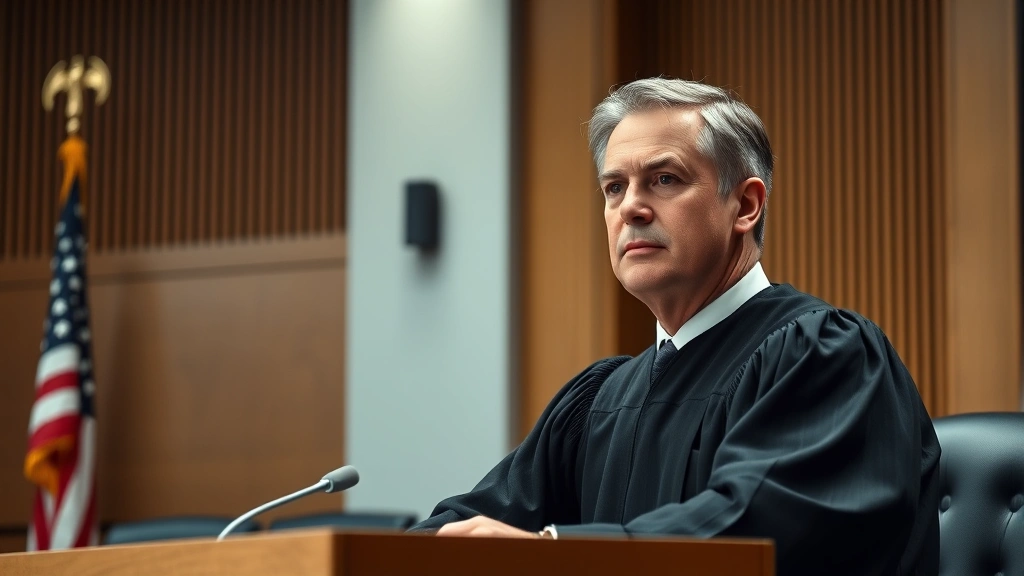
The television series Law & Order, particularly Season 14, has become a cultural phenomenon that extends far beyond entertainment. For over two decades, the franchise has presented dramatized portrayals of criminal investigations, prosecutions, and legal proceedings that millions of viewers watch each week. But what happens when the public’s understanding of the legal system comes primarily from scripted television? This question has prompted legal scholars, judges, and law enforcement professionals to examine how shows like Law & Order influence public perception, jury behavior, and ultimately, the functioning of real legal systems.
The impact of Law & Order Season 14 and subsequent seasons extends beyond simple entertainment value. Research suggests that heavy television viewers develop what scholars call the “CSI Effect”—a phenomenon where jurors expect forensic evidence in criminal cases because they’ve seen it portrayed on television. This expectation can affect trial outcomes, jury deliberations, and the strategies prosecutors and defense attorneys employ. Understanding this relationship between media representation and legal reality is essential for anyone interested in how justice systems actually operate.
How Law & Order Portrays the Criminal Justice System
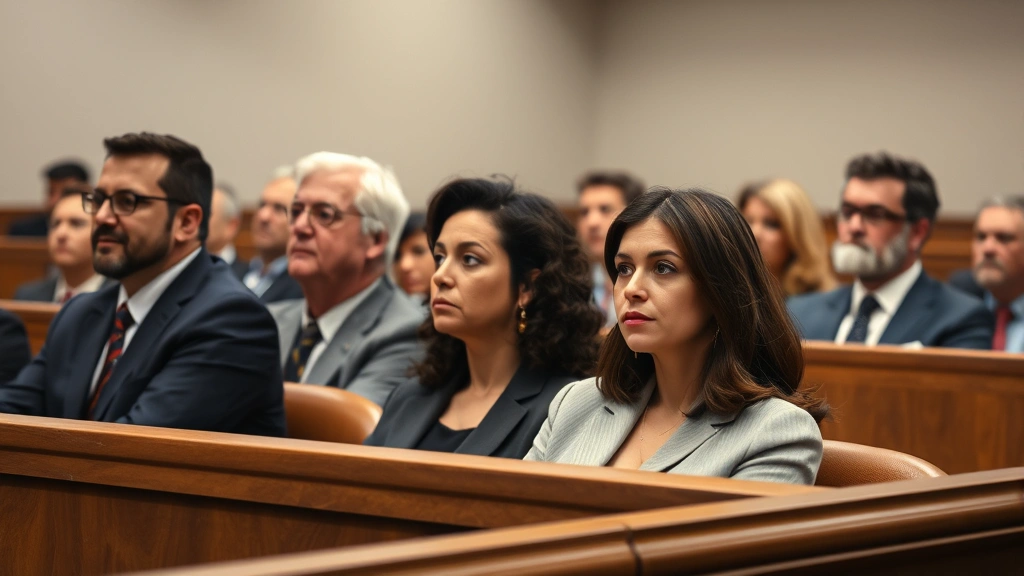
Law & Order Season 14 follows the established format of the franchise: the first half focuses on police investigation, while the second half concentrates on prosecution and trial proceedings. This structure, while entertaining, presents a dramatically compressed version of how the legal system actually functions. Real criminal investigations can take months or years; television investigations resolve in approximately 22 minutes. Real trials involve extensive pretrial motions, discovery disputes, and procedural complexities; television trials conclude with dramatic closing arguments and verdicts.
The show’s portrayal of law enforcement reflects both accurate procedures and significant dramatization. Police detectives in Law & Order often obtain confessions through interrogation tactics that, while sometimes legally permissible, represent an accelerated version of reality. The show depicts search warrants, Miranda rights, and chain-of-custody procedures with reasonable accuracy, yet the overall narrative arc suggests that criminal cases are solved through detective work and prosecutorial skill rather than the combination of evidence, cooperation, and often mundane investigative work that characterizes real cases.
Prosecutorial decisions in the show frequently turn on moral arguments and witness credibility rather than the complex legal and procedural issues that dominate actual courtrooms. Assistant District Attorney Jack McCoy, the show’s protagonist during Season 14, makes charging decisions based on justice and fairness—noble goals that sometimes conflict with legal precedent, evidentiary rules, and prosecutorial ethics. This portrayal, while sympathetic, doesn’t fully capture the constraints within which real prosecutors operate. If you’re interested in understanding the actual legal framework governing prosecutorial conduct, you might explore resources on how a bill becomes a law flowchart, which illustrates the legislative processes that create the rules prosecutors must follow.
The CSI Effect and Jury Expectations
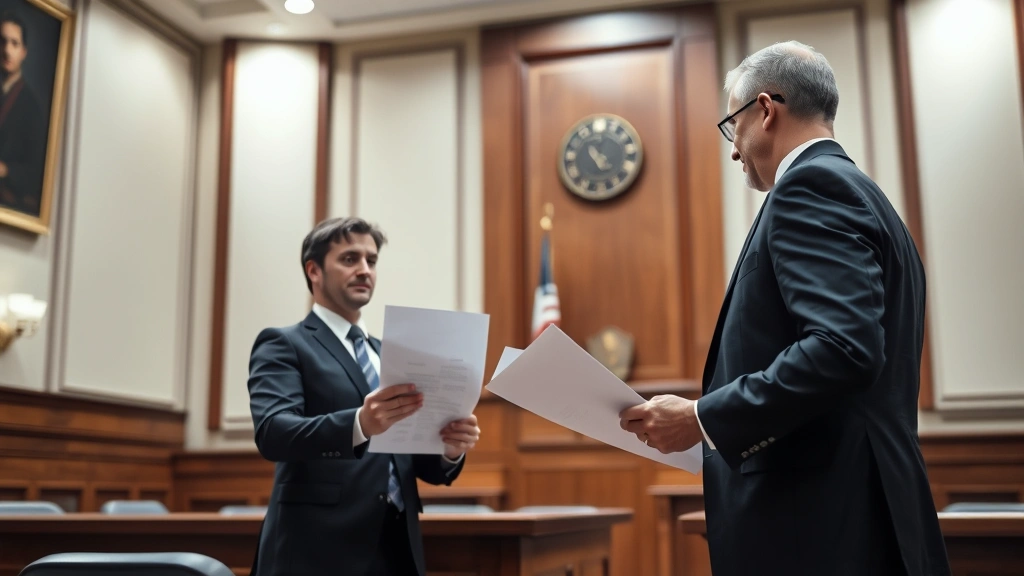
One of the most significant impacts Law & Order and similar forensic-focused shows have had on the legal system is the phenomenon known as the “CSI Effect.” Named after the popular show CSI: Crime Scene Investigation, this effect describes how jurors who watch crime television shows develop unrealistic expectations about forensic evidence. They expect physical evidence in cases where none exists, doubt eyewitness testimony when forensic evidence isn’t presented, and acquit defendants when the prosecution hasn’t provided DNA evidence or sophisticated forensic analysis.
Prosecutors across the country have reported that Law & Order viewership correlates with juries that expect higher standards of proof and more comprehensive forensic evidence than the law actually requires. In Season 14 and other seasons, evidence is typically presented in a logical sequence, with dramatic reveals that prove guilt conclusively. Real trials rarely work this way. Eyewitness testimony, circumstantial evidence, and witness statements often form the backbone of criminal cases, yet jurors influenced by television may undervalue these traditional forms of proof.
This expectation gap creates a significant challenge for prosecutors. They may need to invest more resources in forensic analysis and expert testimony, even in cases where such evidence isn’t strictly necessary to prove guilt beyond a reasonable doubt. Defense attorneys, conversely, benefit from this effect when they can highlight the absence of forensic evidence. The show’s impact on jury behavior has become so pronounced that legal scholars have published extensive research on the topic, and some prosecutors now conduct jury voir dire specifically designed to identify jurors heavily influenced by television portrayals of criminal investigation.
Prosecutorial Strategies Influenced by Television
The way Law & Order presents prosecutorial work has subtly influenced how real prosecutors approach their cases. The show emphasizes the importance of individual prosecutor skill, moral conviction, and the ability to convince juries through persuasive argument. While these elements matter in real litigation, they represent only part of the prosecutorial function. Real prosecutors must navigate civil vs common law distinctions, manage massive caseloads, and make decisions constrained by limited resources and complex legal precedent.
Assistant District Attorney McCoy’s approach in Season 14—aggressively pursuing cases he believes represent justice, sometimes testing the boundaries of legal ethics—resonates with viewers but doesn’t reflect the careful, rule-bound approach most ethical prosecutors maintain. The show rarely depicts the pretrial motions that consume most of a prosecutor’s time, the discovery obligations that require sharing evidence with the defense, or the plea negotiations that resolve the vast majority of criminal cases.
Despite these dramatizations, Law & Order does accurately portray certain prosecutorial realities. The show demonstrates that prosecutors must prove guilt beyond a reasonable doubt, that defendants have constitutional rights, and that the burden of proof rests with the government. These accurate elements, combined with the dramatic inaccuracies, create a mixed message about how the legal system functions. Prosecutors have expressed both frustration with the unrealistic expectations created by the show and appreciation for its general support for law enforcement and criminal prosecution.
Defense Attorney Representation in Media
One of the most significant gaps in Law & Order‘s portrayal of the legal system is the underrepresentation and often negative portrayal of defense attorneys. While the show includes defense lawyers, they typically appear as obstacles to justice rather than essential protectors of constitutional rights. This representation has real consequences for how the public views criminal defense work and, ultimately, for the functioning of the criminal justice system.
Defense attorneys in Law & Order frequently lose cases they should win on the evidence, or succeed through technicalities rather than legitimate legal arguments. This portrayal contradicts the constitutional principle that every defendant deserves vigorous representation and that the adversarial system functions properly only when both sides present their best case. The show rarely depicts the crucial pretrial work defense attorneys perform—investigating facts, challenging evidence, filing motions, and protecting constitutional rights.
The negative portrayal of defense work in Law & Order has contributed to a public perception problem affecting the legal profession. Young lawyers considering criminal defense work may be discouraged by the show’s implicit message that defense attorneys help guilty people escape justice. In reality, defense attorneys serve the essential constitutional function of ensuring that the government proves its case and that individual rights are protected. This fundamental misrepresentation of defense work in popular media affects recruitment into the profession and public support for robust criminal defense services.
Impact on Law Enforcement Practices
Law enforcement agencies have had to address the ways Law & Order and similar shows influence public expectations and, more significantly, how they influence the decisions of actual police officers. Some officers report that the show’s portrayal of investigation techniques matches their real-world practices reasonably well, while others note that the show oversimplifies complex investigative procedures.
The show accurately depicts many aspects of law enforcement work: the importance of proper evidence handling, the need for warrants before searches, the requirement to read Miranda rights, and the careful documentation necessary to support prosecutions. However, Law & Order Season 14 and other seasons compress investigation timelines and omit the bureaucratic reality of modern policing. Real investigations involve extensive paperwork, coordination with multiple agencies, and adherence to increasingly complex regulations governing police conduct.
Additionally, the show’s portrayal of interrogation techniques raises concerns among legal professionals. While the show generally depicts lawful interrogation, the dramatic nature of television requires high-pressure tactics that, while sometimes legal, represent the more aggressive end of the spectrum. This portrayal may influence how officers conduct interrogations and how supervisors evaluate those interrogations. Some police departments have incorporated training specifically addressing the disconnect between television portrayals and actual investigative best practices.
Public Trust and Confidence in Legal Institutions
The broader impact of Law & Order on public trust in legal institutions is complex and multifaceted. On one hand, the show portrays law enforcement and prosecutors as generally competent professionals working within a system designed to achieve justice. This portrayal may enhance public confidence in these institutions. On the other hand, the show frequently depicts judges making questionable rulings, defense attorneys obstructing justice, and the legal system failing to protect victims or punish offenders adequately.
Research on media effects suggests that heavy viewers of Law & Order develop more cynical views of the criminal justice system while simultaneously supporting more aggressive law enforcement and prosecution. This combination creates pressure for legal policy changes that may not align with constitutional principles or evidence about what actually reduces crime. The show’s implicit message—that the system works best when prosecutors and police are aggressive and defense attorneys don’t interfere—influences public opinion on criminal justice policy in ways that legal scholars and civil rights advocates find troubling.
The show’s impact on public trust extends to the judiciary as well. Law & Order occasionally depicts judges as obstacles to justice, making rulings that seem to prioritize legal technicalities over finding truth. This portrayal can undermine public confidence in judicial independence and the rule of law—the principle that everyone, including government officials, must follow established legal rules. If you’re interested in understanding the legal framework that governs how judges operate, exploring best law schools in Texas will provide insight into where future judges and legal professionals receive education in constitutional principles and judicial ethics.
Educational Value and Misconceptions
Despite its significant inaccuracies, Law & Order does provide some educational value regarding how the legal system functions. The show introduces viewers to legal concepts like burden of proof, reasonable doubt, and the structure of criminal proceedings. Many people’s primary understanding of the legal system comes from television, making the show’s educational function, however imperfect, genuinely important.
However, the misconceptions created by Law & Order are substantial. The show suggests that criminal cases are solved through brilliant detective work and won through compelling courtroom arguments, when in reality most cases turn on evidence collection, witness interviews, and plea negotiations. The show implies that the legal system reliably separates guilty from innocent parties, when in fact wrongful convictions occur with troubling frequency. The show portrays lawyers as primarily trial advocates, when most legal work involves negotiation, document drafting, and problem-solving outside the courtroom.
For those seeking accurate information about how the legal system actually functions, consulting authoritative legal resources is essential. Understanding specific areas of law, such as Texas Lemon Law or finding lemon law attorney near me, requires consulting real legal professionals and authoritative sources rather than relying on television portrayals. Additionally, exploring law school transparency initiatives can provide insight into how legal education actually prepares professionals for practice.
The disconnect between Law & Order‘s portrayal and legal reality creates a fundamental challenge: how do we ensure that public understanding of the legal system is sufficiently accurate to support informed citizenship while acknowledging that entertainment media will always prioritize drama over accuracy? This question becomes increasingly important as television and streaming platforms become primary sources of legal information for the general public.
FAQ
Does Law & Order Season 14 accurately represent how criminal trials work?
Law & Order Season 14, like other seasons, captures some accurate elements of criminal trials including the burden of proof and basic procedural rules. However, it dramatically compresses timelines, omits extensive pretrial procedures, and oversimplifies the evidence presentation. Real trials involve far more procedural complexity and typically lack the dramatic narrative arc television requires.
What is the CSI Effect and how does it relate to Law & Order?
The CSI Effect refers to juror expectations for forensic evidence created by watching crime television shows. While CSI popularized the term, Law & Order contributes to this phenomenon by presenting investigations where physical evidence often proves guilt conclusively. Jurors influenced by these shows may discount eyewitness testimony and circumstantial evidence, expecting more sophisticated forensic proof than the law requires.
How have prosecutors responded to Law & Order’s influence?
Prosecutors have reported needing to invest more resources in forensic evidence and expert testimony to meet juror expectations influenced by television. Some have modified jury selection procedures to identify and potentially exclude jurors heavily influenced by crime television shows. Others have incorporated explicit jury instruction about the actual legal standards for evidence and proof.
Does Law & Order help or harm public understanding of the legal system?
The answer is mixed. Law & Order introduces legal concepts and demonstrates that the system includes checks and balances. However, it creates significant misconceptions about investigation procedures, trial processes, and the role of different legal professionals. The show’s entertainment value may actually reinforce misconceptions because viewers remember the drama more than the details.
Why are defense attorneys portrayed negatively in Law & Order?
Television drama requires clear heroes and obstacles. Prosecutors and police function as protagonists, while defense attorneys—who provide essential constitutional protection—often appear as antagonists. This portrayal reflects entertainment values rather than legal reality and contributes to public misunderstanding of criminal defense work’s crucial constitutional function.
How can I get accurate legal information instead of relying on television?
Consult qualified attorneys, law school resources, bar association websites, and government legal databases. For specific legal issues, seek counsel from licensed professionals in your jurisdiction. For general legal education, reputable legal websites and educational resources provide more accurate information than entertainment media.


