California has some of the most comprehensive child passenger safety laws in the United States, designed to protect young occupants in vehicles. Understanding these regulations is essential for parents, guardians, and anyone transporting children in California. The state’s car seat laws are governed by California Vehicle Code Section 27360-27365 and have been continuously updated to reflect current safety research and best practices. Non-compliance with these laws can result in significant fines, traffic citations, and potential liability in accident situations.
As a parent or caregiver in California, knowing the specific requirements for your child’s age, height, and weight is not merely a legal obligation—it’s a critical safety measure. Car seats, booster seats, and seat belts are engineered to work together with vehicle safety systems to minimize injury risk during collisions. This comprehensive guide will walk you through California’s car seat laws, the different types of restraint systems required at various developmental stages, penalties for violations, and practical guidance for compliance and selection.
California Car Seat Law Requirements by Age
California Vehicle Code Section 27360 establishes clear, age-based requirements for child passenger restraint systems. The law mandates that children under two years of age must be secured in a rear-facing car seat, unless the child weighs more than 40 pounds or is taller than 40 inches. This requirement prioritizes rear-facing positioning because it provides superior protection for a young child’s head, neck, and spine during frontal collisions, which account for the majority of serious vehicle accidents.
Children ages two through five must be properly restrained in a car seat or booster seat appropriate for their size and weight. The specific type depends on whether the child meets the requirements for forward-facing seats with harnesses or if they still need a booster seat for proper belt positioning. California distinguishes between these categories because the transition from one restraint type to another should be based on the child’s development and size, not arbitrary age thresholds.
The law also applies to children who are eight years old or younger and weigh less than 4’9″ in height. These children must be secured in an appropriate car seat or booster seat. However, California recognizes that some children may outgrow booster seats before reaching age eight, and in such cases, a properly fitted seat belt becomes acceptable if the child meets the height requirement and the vehicle’s seat belt system is appropriate.
Understanding these age-based requirements is fundamental, but it’s equally important to recognize that weight and height often take precedence over age in determining the appropriate restraint type. Many parents mistakenly believe that once a child reaches a certain birthday, they can transition to the next restraint level, but California law is more nuanced. Manufacturers’ guidelines for each car seat typically specify weight and height limits, and parents must consult these specifications to ensure they’re using the correct device for their child’s current size.
Rear-Facing Car Seats: The Safest Option
Rear-facing car seats represent the gold standard in child passenger safety according to the American Academy of Pediatrics and supported by extensive crash test data. California law requires infants and toddlers under two years old to travel in rear-facing seats, recognizing the vulnerability of very young children’s developing spines and necks. When a vehicle experiences a frontal collision, the rear-facing position allows the seat to absorb the impact force across the child’s entire back and head, distributing forces more evenly than forward-facing positioning.
Many modern car seats are designed to accommodate children in rear-facing position well beyond the two-year minimum, often up to 40-50 pounds depending on the model. Safety experts recommend keeping children rear-facing for as long as possible within the manufacturer’s specifications, as crash test data consistently shows improved outcomes for rear-facing occupants. Parents who are concerned about liability and legal protection should understand that following these recommendations provides both safety benefits and documentation of reasonable care.
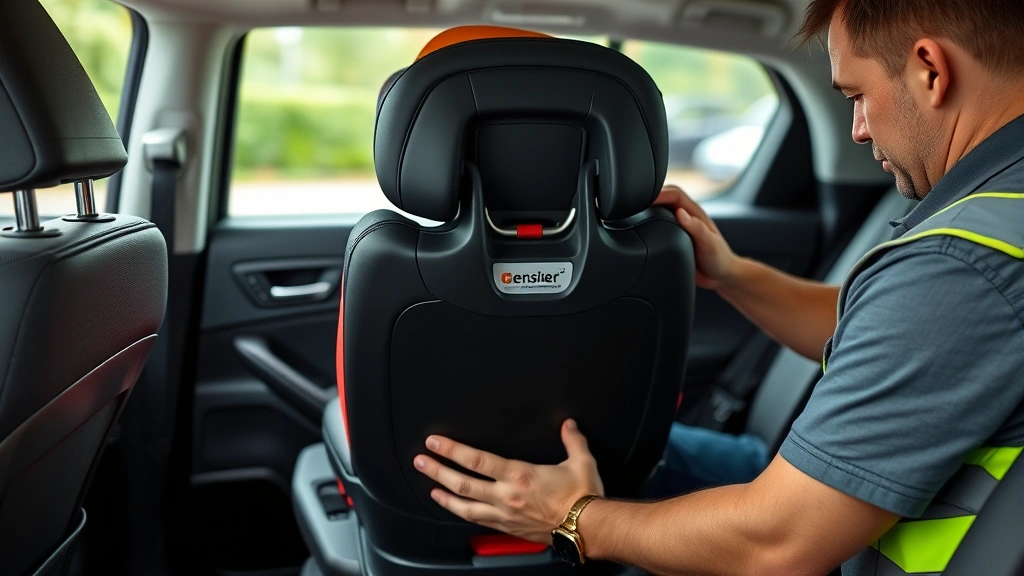
When selecting a rear-facing car seat, parents should verify that the seat can be properly installed in their vehicle. Some vehicles have seat configurations that make rear-facing installation challenging, and consulting a law book or manual for specific vehicle compatibility is advisable. Many fire departments and hospitals in California offer free car seat installation checks to ensure proper positioning and security.
California recognizes that rear-facing seats must be installed at the correct angle to prevent airway obstruction. Most rear-facing seats include angle indicators and adjustment features to maintain the proper recline position, typically between 35-45 degrees. Parents must consult the car seat manual and their vehicle’s owner manual to achieve the correct installation angle, as improper angles can compromise both comfort and safety.
Forward-Facing Car Seats and Booster Seats
Once children reach two years of age and meet the minimum weight requirements for forward-facing seats (typically 25-30 pounds), they may transition to forward-facing car seats with five-point harnesses. Forward-facing seats provide excellent protection for toddlers and preschoolers, with the harness system distributing crash forces across the child’s shoulders, chest, and hips. California law permits this transition when the child meets both the age and weight thresholds, but parents should consult manufacturer specifications to determine the appropriate timing.
Forward-facing seats are typically used until children reach the maximum weight or height limits specified by the manufacturer, often around 40-65 pounds. During this extended period, the five-point harness remains the most effective restraint system for young children, providing superior protection compared to vehicle seat belts alone. The harness system is engineered specifically for children’s body proportions and ensures that crash forces are distributed to areas of the body that can safely withstand impact.
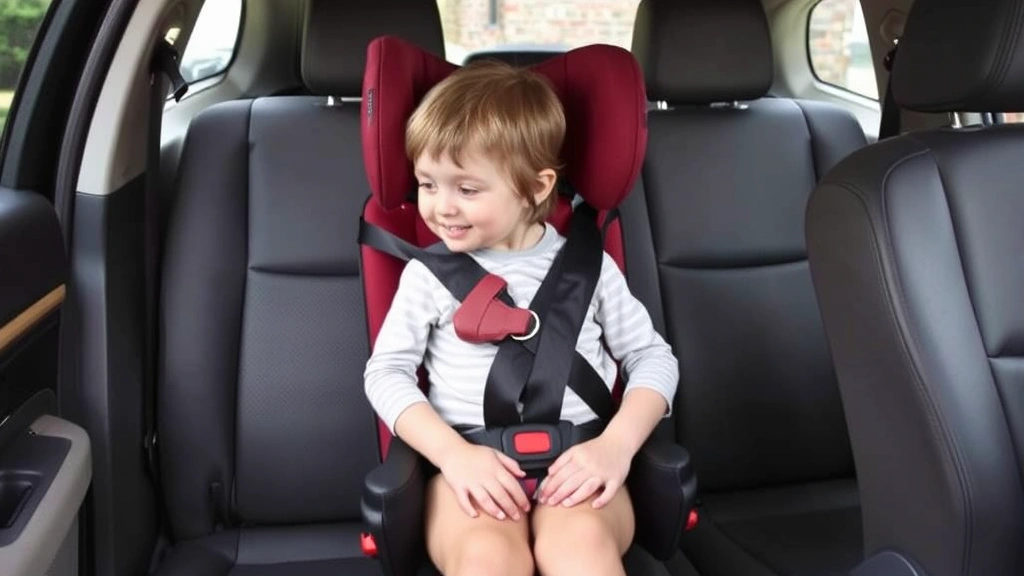
Booster seats become appropriate when children exceed the maximum limits for forward-facing harness seats but are not yet tall enough for adult seat belts to fit properly. California law requires booster seat use for children under eight years old (or under 4’9″ in height) who do not fit properly in forward-facing harness seats. Booster seats position the child so that the vehicle’s lap and shoulder belts align correctly with the child’s body, ensuring that forces during a crash are distributed across the stronger parts of the skeleton rather than the abdomen or neck.
There are two types of booster seats available: high-back and backless boosters. High-back boosters are recommended for vehicles without headrests or with low seat backs, as they provide side-impact protection and proper head positioning. Backless boosters are more portable and may be suitable for vehicles with adequate seat backs and headrests. Regardless of type, booster seats must be used with both lap and shoulder belts to provide maximum protection, and California law requires this dual-belt configuration.
Seat Belt Requirements for Older Children
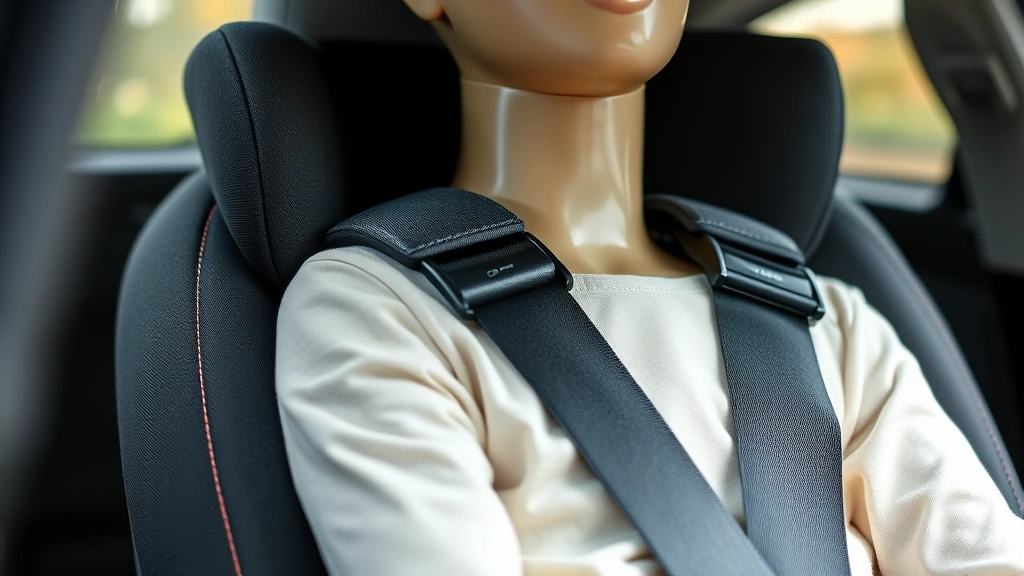
Children who are eight years old or older, or who are taller than 4’9″, may use the vehicle’s standard seat belt system instead of booster seats. However, California law still applies to these older children, requiring that they be properly restrained with seat belts at all times while the vehicle is in motion. The transition from booster seats to seat belts should be made only when the child can sit comfortably against the vehicle seat back with knees bent at 90 degrees and feet touching the floor, and when the shoulder belt fits properly across the chest and shoulder rather than the neck or face.
Proper seat belt fit is critical for older children and adolescents. The lap belt should sit low across the hip bones, never across the abdomen, as abdominal impact during a crash can cause serious internal injuries. The shoulder belt should cross the middle of the chest and shoulder, never the neck or throat. If a standard seat belt cannot achieve this fit due to the child’s size, continued booster seat use is appropriate and legally required under California law.
Many parents and caregivers are unaware that improper seat belt fit in children can be more dangerous than having no restraint at all, as the belt can cause internal injuries during a crash. Understanding California regulations regarding child passenger safety extends beyond the specific car seat requirements to encompass proper usage of all restraint systems. This comprehensive approach to compliance protects both the child’s physical safety and the adult’s legal standing.
Proper Installation and Usage Guidelines
Correct car seat installation is essential for maximum protection, yet studies indicate that a significant percentage of car seats are installed improperly. California Vehicle Code requires that car seats be installed according to the manufacturer’s instructions and the vehicle’s owner manual. The seat must be secured tightly to the vehicle using either the seat belt or the LATCH (Lower Anchors and Tethers for Children) system, which is standard on most vehicles manufactured after 2002.
The LATCH system provides an alternative to seat belt installation and often results in more secure mounting. However, LATCH has weight limits, typically 65 pounds, and parents must consult both the car seat and vehicle manuals to ensure they’re using LATCH correctly. Many parents mistakenly believe that LATCH is always superior to seat belt installation, but when weight limits are exceeded, seat belt installation is actually the appropriate method.
Installation checks are available throughout California through the California Highway Patrol’s Child Passenger Safety Program, local fire departments, and certified child passenger safety technicians. These professionals can identify installation errors and provide guidance on achieving proper positioning. Many hospitals and health clinics also offer free or low-cost installation checks as part of their community health initiatives.
Beyond proper installation, parents must ensure that children remain properly restrained throughout every vehicle trip. Children should never be allowed to unbuckle themselves or move between seats while the vehicle is in motion. The adult driver is legally responsible for ensuring compliance with car seat laws, and workplace policies regarding employee transportation may also impose additional requirements for companies that provide employee vehicles.
Proper usage also includes using car seats in all vehicles the child regularly travels in, not just the family’s primary vehicle. Children transported in rideshare vehicles, school vehicles, or other cars must have appropriate restraints, and parents should ensure that caregivers and drivers are aware of and comply with California’s car seat requirements. This consistency in usage patterns reinforces safe habits and ensures the child is protected regardless of which vehicle they’re traveling in.
Penalties and Legal Consequences
California Vehicle Code Section 27363 establishes penalties for violations of child passenger safety laws. A first offense typically results in a fine of up to $100, though the actual penalty may vary based on local ordinances and the specific circumstances of the violation. Subsequent violations can result in fines up to $250 or more, and some jurisdictions impose additional penalties or mandatory traffic school attendance.
Beyond the financial penalties, violations of car seat laws can create complications in other legal contexts. In custody disputes, a parent’s failure to comply with car seat laws may be viewed unfavorably by the court when evaluating the parent’s commitment to child safety and proper care. Similarly, in accident cases, non-compliance with car seat laws could potentially be introduced as evidence of negligence, affecting liability determinations and insurance coverage.
Insurance implications represent another significant consequence of non-compliance. Some insurance policies include provisions allowing insurers to deny or reduce claims if the insured was violating safety laws at the time of an accident. Additionally, if a child is injured in an accident and it’s determined that improper restraint contributed to the injury, the parent or caregiver could face civil liability claims for negligence, even if no criminal charges are filed.
Law enforcement officers in California have discretion in how they enforce car seat violations. Some departments prioritize education over enforcement, while others conduct regular safety checkpoints. The trend in California has been toward increased enforcement of these laws, recognizing the significant safety benefits of proper child restraint. Parents who are stopped for car seat violations should understand their rights and may benefit from consulting with an attorney if they believe the stop or citation was improper.
Exemptions and Special Circumstances
California law provides limited exemptions to car seat requirements in specific circumstances. One significant exemption applies to vehicles without rear seats, such as pickup trucks or certain commercial vehicles. In these cases, children may be transported in the front seat if the vehicle has no rear seating, though this is generally discouraged due to safety concerns related to airbag deployment.
Medical exemptions are available when a child’s physical condition makes standard car seat use impossible or unsafe. A physician must document this condition and provide written authorization for an alternative restraint method. Parents seeking medical exemptions should work with their child’s healthcare provider and may need to present this documentation to law enforcement if questioned about non-standard restraint use.
Taxi and rideshare vehicles have different requirements than personal vehicles. California law provides exemptions for taxis, limousines, and certain ride-sharing services from the standard car seat requirements, though these vehicles must still comply with their own specific regulations. However, parents should understand that using these services for young children may not provide the same level of protection as properly installed car seats in personal vehicles.
School buses are subject to different regulations than passenger vehicles, and California school bus safety laws do not require individual car seats or seat belts for passengers. This distinction reflects the different safety design of school buses, which include compartmentalization and other protective features. However, transportation in private vehicles to and from school must still comply with standard car seat laws.
FAQ
At what age can a child stop using a car seat in California?
California law permits children to transition away from booster seats when they reach eight years old or 4’9″ in height, whichever comes first. However, the child must fit properly in the vehicle’s seat belt system, with the lap belt sitting low across the hip bones and the shoulder belt crossing the middle of the chest. If proper fit cannot be achieved, booster seat use must continue regardless of age.
Can I use a car seat from another state in California?
Yes, car seats that meet federal safety standards (FMVSS 213) can be used in California regardless of where they were purchased. However, the car seat must be installed correctly according to both the manufacturer’s instructions and California law. Parents should verify that their car seat has not been recalled by checking the National Highway Traffic Safety Administration (NHTSA) database.
What should I do if my car seat has been in an accident?
Car seats involved in moderate to severe accidents should be replaced, as the impact may have compromised the seat’s structural integrity. Even if visible damage is not apparent, internal damage could reduce the seat’s protective capability in future crashes. Manufacturers typically recommend replacement after any accident where the vehicle sustained damage, and many insurance policies cover car seat replacement following accidents.
Are there resources to help me understand California car seat laws better?
The California Highway Patrol’s Child Passenger Safety Program provides comprehensive resources, including installation guides and enforcement information. Additionally, the National Highway Traffic Safety Administration (NHTSA) offers detailed information about car seat selection and installation. The Insurance Institute for Highway Safety (IIHS) provides crash test ratings and safety recommendations for various car seat models.
What is the difference between LATCH and seat belt installation?
LATCH (Lower Anchors and Tethers for Children) is an alternative to seat belt installation that uses dedicated anchor points in the vehicle. LATCH is often easier to use correctly and may provide a slightly more secure installation, but it has weight limits (typically 65 pounds). Seat belt installation is appropriate for all car seats and weights, and when LATCH weight limits are exceeded, seat belt installation becomes the required method.
Can I use a used car seat in California?
Used car seats can be used if they meet federal safety standards, have not been in accidents, have all original parts and instructions, and have not been recalled. However, parents should be cautious about used car seats from unknown sources, as there is no way to verify the seat’s history. Purchasing from reputable retailers or certified sellers is recommended to ensure the seat’s safety and integrity.


