Michigan has comprehensive car seat laws designed to protect children from serious injury or death in motor vehicle accidents. As a parent, guardian, or driver in Michigan, understanding these legal requirements is essential to ensure compliance and, more importantly, to keep young passengers safe. This overview covers Michigan’s car seat laws, enforcement penalties, age and weight requirements, and what you need to know to stay legally compliant while protecting children on the road.
Car seat laws vary significantly by state, and Michigan’s regulations are among the most detailed in the nation. The state mandates specific types of restraint systems based on a child’s age, height, and weight. Failing to comply with these laws can result in traffic citations, fines, and potential liability in the event of an accident. Understanding the nuances of Michigan’s car seat requirements helps parents make informed decisions and avoid costly violations.
Michigan Car Seat Law Requirements by Age
Michigan’s car seat laws are primarily outlined in Michigan Vehicle Code Section 257.710d. The state requires that all children under age 8 or shorter than 4 feet 9 inches must be properly secured in a child restraint system. This foundational requirement applies to all passengers in vehicles registered in Michigan, regardless of where the vehicle is being operated.
For infants and very young children, Michigan law requires rear-facing car seats for children from birth until they reach the maximum weight or height limit specified by the car seat manufacturer. Most rear-facing seats accommodate children up to 35-45 pounds and ages 2-4 years old. Parents should always consult the specific manufacturer guidelines for their car seat model, as these specifications vary.
Children who have outgrown their rear-facing seats must transition to forward-facing car seats with a harness. Michigan law requires forward-facing seats with a harness for children who exceed the rear-facing seat limits until they reach the maximum weight or height limit of the forward-facing seat, typically around 65-100 pounds or ages 4-9 years old.
Once children exceed forward-facing car seat limits, Michigan requires booster seats for continued protection. Booster seats position the vehicle’s lap and shoulder belt correctly across a child’s body, providing optimal protection during collisions. Children must remain in booster seats until they meet the height and weight requirements for proper seat belt fit, generally around age 8-12 years old.
If you’re involved in an accident involving a child in an improperly secured car seat, you may face serious legal consequences. Understanding your rights after such incidents is crucial—consider reviewing our guide on the personal injury claim process if you need to pursue damages.
Rear-Facing vs. Forward-Facing Car Seats
The distinction between rear-facing and forward-facing car seats is critical in Michigan’s car seat law framework. Rear-facing seats provide superior protection for young children because they support the head, neck, and spine during frontal collisions, which account for the majority of serious vehicle accidents. Medical research consistently demonstrates that rear-facing seats reduce the risk of serious injury by 50-75% compared to forward-facing seats for children in this age group.
Michigan law aligns with recommendations from the National Highway Traffic Safety Administration (NHTSA) and the American Academy of Pediatrics (AAP), which both recommend keeping children rear-facing as long as possible within the seat’s weight and height limits. Many modern rear-facing seats accommodate children until age 3 or 4, allowing extended rear-facing positioning.
Forward-facing car seats become necessary once children exceed rear-facing seat limits. These seats must be used with the vehicle’s harness system and include a tether strap that connects to the vehicle’s anchor point. The tether strap is crucial—it limits forward movement during collisions and significantly reduces injury risk. Michigan law requires proper tether use, and vehicles manufactured after 2000 are required to have lower anchors and tethers for children (LATCH) systems to facilitate proper installation.
The transition from rear-facing to forward-facing should never be rushed. Parents should keep children rear-facing until they reach the maximum limits specified by their specific car seat manufacturer. This approach provides maximum protection during the most vulnerable years of a child’s development.
Booster Seat Regulations
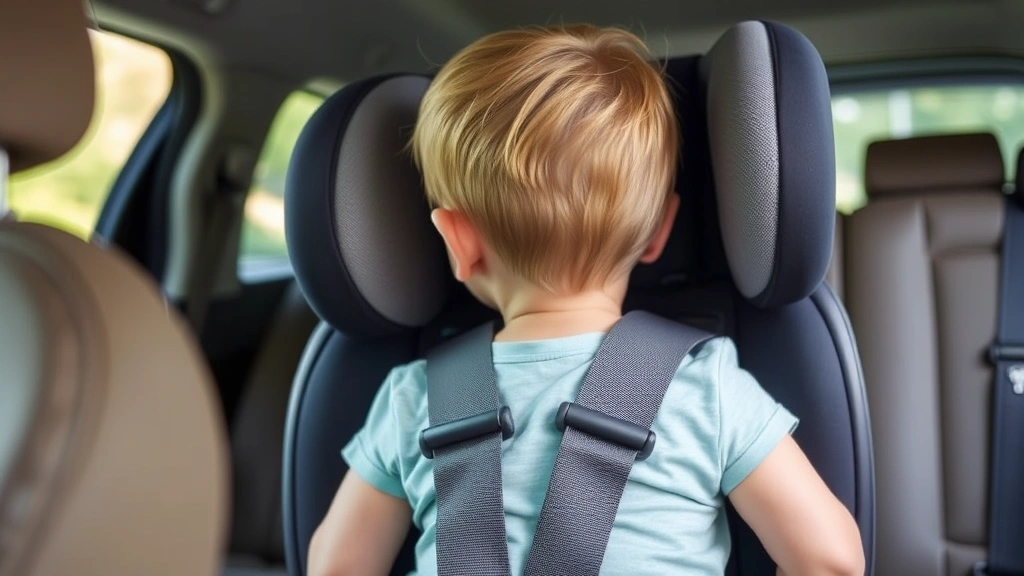
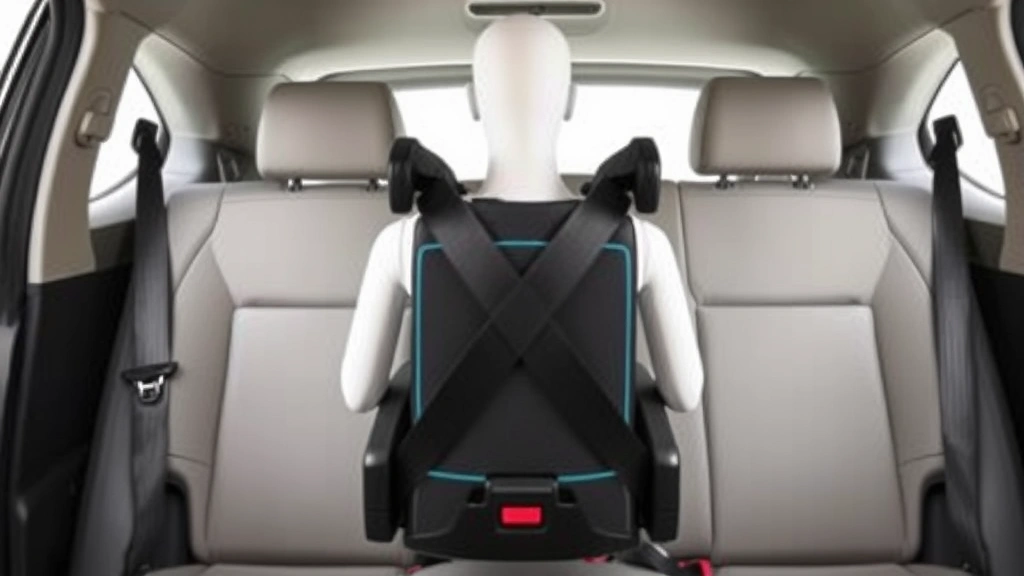
Booster seats represent the final stage of child restraint requirements under Michigan car seat laws. These seats are designed for children who have outgrown forward-facing car seats but are still too small for the vehicle’s adult seat belt to fit properly. A properly fitted seat belt should cross the child’s shoulder (not the neck) and lap (not the abdomen).
Michigan law requires booster seats for children who exceed forward-facing car seat limits until they meet the following criteria: they must be at least 8 years old AND at least 4 feet 9 inches tall. Some children may not reach this height until age 10-12, so booster seat use may extend longer than the age requirement alone would suggest. Always prioritize height and weight specifications over age when determining appropriate restraint systems.
There are two types of booster seats available: high-back and backless. High-back boosters provide additional head and neck support and are particularly useful in vehicles without headrests or for older model vehicles. Backless boosters are more portable and suitable for vehicles with high seats and good headrests. Both types are legal in Michigan, provided they meet federal safety standards and are used correctly.
Proper installation of booster seats is essential. The seat belt must be positioned correctly, and the booster seat must remain firmly in place during vehicle operation. Many parents incorrectly assume that children can use adult seat belts once they reach a certain age; this is dangerous and violates Michigan law. Booster seats must be used until proper seat belt fit is achieved.
Penalties and Enforcement
Michigan enforces car seat laws through traffic citations and fines. Violating Michigan’s child restraint requirements is considered a traffic infraction, and enforcement officers have authority to stop and cite drivers for non-compliance. Understanding potential penalties helps emphasize the importance of compliance.
The penalty for a first violation of Michigan’s car seat law is a fine of $10 to $100. For subsequent violations within a seven-year period, fines increase to $20 to $200 for a second offense and $50 to $500 for third and subsequent offenses. While these fines may seem modest, they can accumulate quickly, especially for repeat violations.
Beyond financial penalties, car seat law violations can impact your driving record and insurance rates. Insurance companies often increase premiums for drivers with traffic violations, and this can persist for years. Additionally, if you’re involved in an accident where a child is injured due to improper car seat use, you may face civil liability and be held responsible for medical expenses and damages.
If you receive a citation for car seat law violations, you have the right to contest it. Our resource on how to contest a traffic ticket provides detailed guidance on challenging citations. However, it’s important to note that the best approach is always compliance with the law.
Law enforcement in Michigan takes child safety seriously, and officers actively enforce car seat laws during traffic stops and accident investigations. Additionally, if child endangerment is suspected due to improper restraint, authorities may investigate further and potentially pursue more serious charges.
Exceptions and Special Circumstances
While Michigan’s car seat laws are comprehensive, certain exceptions and special circumstances exist. Understanding these exceptions helps clarify when the law may not strictly apply, though safety should always remain the priority.
Medical exceptions may apply in cases where a child has a medical condition that makes standard car seat use impossible or dangerous. In such situations, parents should consult with their pediatrician and obtain medical documentation. Some vehicles, particularly older models or certain commercial vehicles, may not have appropriate seating for child restraint systems. In these cases, alternative transportation arrangements should be made.
Taxi services and ride-sharing vehicles operate under different regulations in Michigan. While child safety is still paramount, the specific restraint requirements may differ from personal vehicle standards. Parents should verify the safety features of such vehicles before allowing children to ride in them.
Short trips or low-speed driving do not exempt parents from car seat requirements. Many serious accidents occur at low speeds or near home, and the law applies regardless of trip length or destination. Additionally, the law applies to all seating positions in the vehicle, not just front seats.
If you believe an exception to Michigan’s car seat law applies to your situation, consult with a local attorney. Circumstances involving potential exemptions can be complex, and professional legal guidance ensures compliance and protects your rights.
Installation and Safety Best Practices
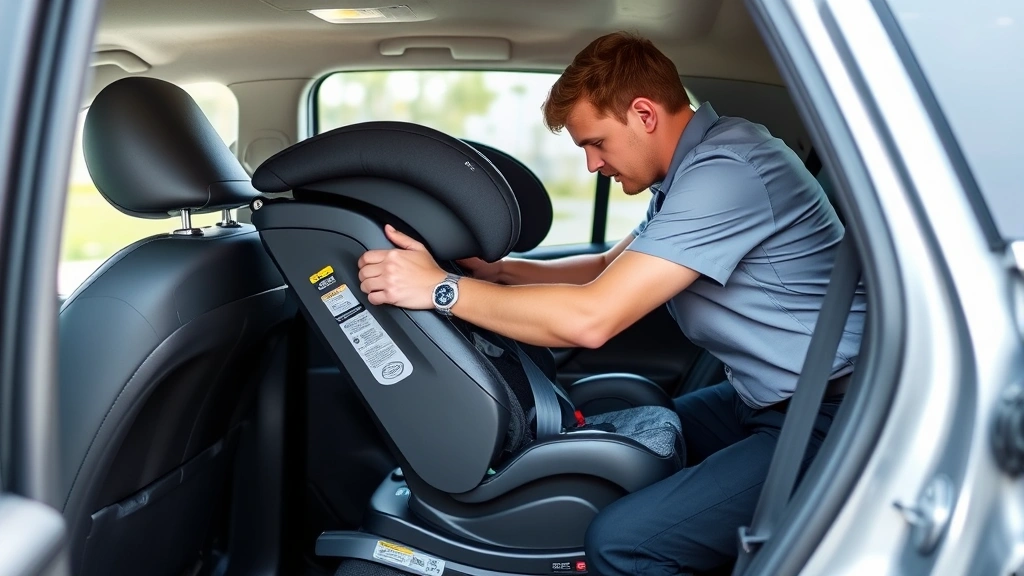
Proper car seat installation is critical to the effectiveness of any child restraint system. Studies show that approximately 75% of car seats are installed incorrectly, which significantly reduces their protective benefits. Michigan recognizes the importance of proper installation and provides resources to help parents ensure correct setup.
The LATCH system (Lower Anchors and Tethers for Children) simplifies car seat installation in most modern vehicles. This system uses metal anchors built into vehicle seats and a tether strap to secure car seats without relying on the vehicle’s seat belt. LATCH is generally easier to use correctly than seat belt installation, though both methods are acceptable under Michigan law.
To install a car seat correctly, follow these steps: First, review the car seat manufacturer’s instructions thoroughly. Second, locate the LATCH anchors or seat belt in your vehicle (consult your vehicle’s manual). Third, position the car seat firmly in the vehicle seat, ensuring it doesn’t move more than one inch side-to-side or front-to-back. Fourth, engage either the LATCH connectors or thread the seat belt through the appropriate slots. Finally, tighten all connections securely.
Michigan offers free car seat inspection services through certified child passenger safety technicians. Many hospitals, fire departments, and police departments provide these services. Having a professional inspect your installation ensures maximum safety for your child. The NHTSA website provides a locator tool to find certified technicians in Michigan.
Beyond installation, proper use requires attention to detail. Never use a car seat that has been in a moderate or severe accident, as internal damage may compromise its protective capabilities. Replace car seats every 5-10 years, as materials degrade over time. Ensure that children cannot unbuckle themselves or remove harness straps during vehicle operation. Never leave children unattended in vehicles, and always verify that child restraints are properly secured before driving.
Understanding the legal framework around child safety is important, but equally important is understanding your rights if something goes wrong. If you need to pursue legal action related to a child’s safety or injuries from improper restraint, familiarize yourself with mediation vs arbitration options for resolving disputes. Additionally, understanding statutory law principles helps clarify how Michigan’s car seat regulations fit into the broader legal landscape.
FAQ
What is the penalty for not using a car seat in Michigan?
The penalty for violating Michigan’s car seat law ranges from $10 to $100 for a first offense, $20 to $200 for a second offense within seven years, and $50 to $500 for third and subsequent offenses. Additionally, violations may impact your driving record and insurance rates.
Can I use a car seat from another state in Michigan?
Yes, provided the car seat meets federal safety standards (FMVSS 213) and complies with Michigan’s age, height, and weight requirements. However, it’s best to use car seats that are current models and have not been in accidents.
At what age can a child stop using a car seat in Michigan?
A child can stop using a car seat once they reach 8 years old AND 4 feet 9 inches tall. Until both conditions are met, proper restraint is legally required. Some children may not meet the height requirement until age 10-12.
Is it legal to use a used car seat in Michigan?
Yes, used car seats are legal provided they have not been in an accident, are not expired, and meet federal safety standards. However, used seats should be purchased from reputable sources and thoroughly inspected for damage or recalls.
What should I do if my car seat is recalled?
Check the NHTSA recall database regularly for safety recalls. If your car seat is recalled, stop using it immediately and follow the manufacturer’s instructions for replacement or repair. Most manufacturers provide free replacements for recalled seats.
Can I use a booster seat in the front seat of my vehicle?
Michigan law permits booster seat use in front seats, though safety experts generally recommend back seat positioning for all children under 13 due to airbag deployment risks. If front seat use is necessary, disable the airbag if possible and position the seat as far back as practical.
Are there resources for free car seat installation help in Michigan?
Yes, many Michigan hospitals, fire departments, and police departments offer free car seat inspection and installation services through certified child passenger safety technicians. Contact your local fire department or hospital to locate services in your area.


