
Illinois Tint Law: Complete Compliance Guide for Vehicle Window Tinting
Window tinting regulations in Illinois are designed to balance driver safety, visibility requirements, and personal vehicle customization preferences. Understanding the Illinois tint law is essential for any vehicle owner looking to legally tint their windows while avoiding costly fines and vehicle inspection failures. Illinois has specific regulations governing the darkness, reflectivity, and placement of window tints across different vehicle types and window positions.
Illinois law enforcement takes window tinting violations seriously, as improperly tinted windows can obstruct visibility and compromise road safety. Whether you’re considering a light tint for UV protection or a darker shade for privacy, knowing the exact legal requirements will help you make informed decisions about your vehicle’s window modifications. This comprehensive guide covers everything you need to know about complying with Illinois tint regulations.
Understanding Illinois Window Tint Regulations
Illinois vehicle code Chapter 625, Section 5 establishes the fundamental standards for window tinting across all passenger vehicles registered in the state. The law specifies minimum levels of visible light transmission (VLT), which measures the percentage of light allowed to pass through tinted windows. These regulations apply to all vehicles operating on public roads in Illinois, regardless of where the tinting was originally applied.
The state’s approach to window tinting focuses on maintaining adequate visibility for both the driver and law enforcement officers during traffic stops. Unlike some states that allow completely opaque tints, Illinois requires that drivers and passengers maintain clear sightlines through their windows. The regulations distinguish between different window positions because front windows require higher visibility standards than rear windows.
When you purchase a vehicle or have tinting applied, the tint film must meet Illinois Department of Transportation (IDOT) standards. Many professional tint shops in Illinois are familiar with these requirements and can guide you toward compliant options. However, some individuals apply aftermarket tints without understanding the specific VLT percentages required, which can result in violations and fines.
It’s important to note that Illinois tint law applies uniformly across all 102 counties and municipalities. While some local jurisdictions may have additional traffic safety ordinances, the state baseline requirements are consistent statewide. This means a tint that’s legal in Chicago must also be legal in Springfield, Rockford, or any other Illinois city.
Visible Light Transmission Requirements by Window
Illinois law establishes different VLT requirements depending on which windows of the vehicle are being tinted. Visible light transmission is measured as a percentage, with 100% meaning completely clear glass and 0% meaning completely opaque. Here are the specific requirements:
- Windshield: Only a non-reflective tint is permitted on the upper six inches of the windshield, below the manufacturer’s installed sun visor line. The rest of the windshield must remain completely clear and untinted.
- Front Side Windows: Must allow at least 50% visible light transmission (VLT ≥ 50%). This means no more than 50% of light can be blocked by the tint film.
- Rear Side Windows: Must allow at least 35% visible light transmission (VLT ≥ 35%). Rear windows have slightly more permissive standards than front windows.
- Rear Window: Must allow at least 35% visible light transmission (VLT ≥ 35%). The back window follows the same standard as rear side windows.
These percentages represent a moderate approach to window tinting. At 50% VLT on front windows, a driver can still see clearly through the glass while gaining some heat reduction and UV protection benefits. At 35% VLT on rear windows, passengers benefit from increased privacy and reduced glare without completely obscuring the view from inside the vehicle.
To determine if your current or proposed tint meets these standards, you can use a light transmission meter, which is a device that measures VLT percentage. Professional tint installers typically have these meters and can verify compliance before installation. Some vehicle inspection stations also use these meters during safety inspections.
The distinction between front and rear window requirements reflects safety priorities. Front windows are more critical because the driver needs clear visibility to operate the vehicle safely. Rear windows, used primarily by passengers and for rear visibility, can accommodate slightly darker tints. This graduated approach allows drivers to customize their vehicles while maintaining essential safety standards.
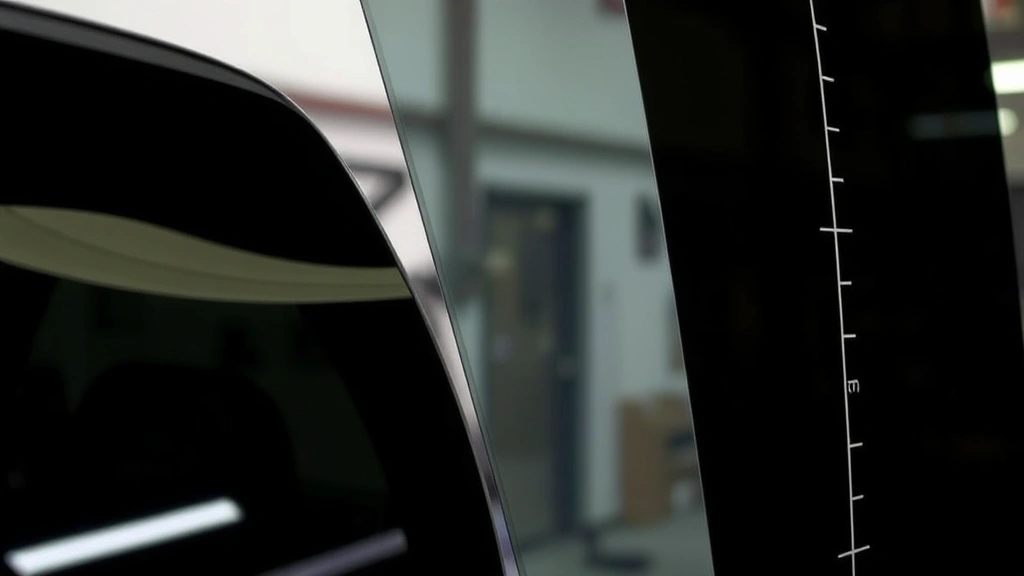
” alt=”Professional window tint measurement with light transmission meter in automotive shop setting” />
Reflectivity Standards in Illinois
Beyond visible light transmission, Illinois law also regulates the reflectivity of window tint, which measures how much light bounces off the tinted surface. Reflective tints can create problems for law enforcement officers and other drivers trying to see into vehicles, which is why Illinois limits this characteristic.
- Front Side Windows: Reflectivity must not exceed 35%. This prevents the front windows from becoming mirror-like or excessively reflective.
- Rear Side Windows and Rear Window: Reflectivity must not exceed 40%. Rear windows have slightly higher reflectivity allowances than front windows.
Reflectivity becomes particularly important when considering metallic or mirrored tint films. Some aftermarket tint products marketed for their reflective properties may exceed Illinois limits. Always verify the reflectivity specifications before purchasing tint film or having it professionally installed.
The combination of VLT and reflectivity requirements means you cannot simply choose any dark tint film available on the market. You must select films that meet both criteria simultaneously. A tint that’s dark enough (35% VLT on rear) but too reflective (exceeding 40%) would still violate Illinois law.
Color Restrictions and Special Rules
While Illinois focuses primarily on light transmission and reflectivity rather than specific color restrictions, the state does prohibit certain tinting practices that could impair visibility or create safety hazards. Red, amber, and blue tints are not permitted on any windows, as these colors can interfere with visibility and create confusion with emergency vehicle lighting.
Tints that significantly alter the natural appearance of windows or create distortion may also violate the spirit of Illinois tinting regulations, even if they technically meet VLT percentages. Law enforcement officers have discretion in determining whether a tint obstructs visibility, and they may issue citations for tints that appear to violate safety standards regardless of measured VLT readings.
Some drivers apply multiple layers of tint film to achieve darker results, but this practice is problematic under Illinois law. Each application of tint should be measured individually, and layering films to circumvent VLT requirements is considered a violation. The total light transmission through all window layers, including factory tinting if present, must meet the state requirements.
Specialty vehicles, such as limousines and certain commercial vehicles, may have different regulations. If you operate a commercial vehicle or specialty vehicle in Illinois, consult your local Secretary of State office or an attorney specializing in vehicle code compliance for specific requirements applicable to your situation.
Medical Exemptions and Special Permits
Illinois recognizes that certain medical conditions may require darker window tints for UV protection or light sensitivity management. The state provides a medical exemption process allowing qualified individuals to apply darker tints than normally permitted under state law.
To qualify for a medical exemption, you must:
- Have a documented medical condition requiring UV protection or reduced light exposure, such as severe lupus, xeroderma pigmentosum, or photosensitivity disorders
- Obtain a written statement from a licensed physician documenting the medical necessity for darker window tints
- Apply for a medical exemption certificate through your county Secretary of State office
- Display the exemption certificate or sticker on your vehicle as proof of authorization
With a valid medical exemption, you may be permitted to use darker tints on certain windows, potentially as low as 20-25% VLT depending on the specific exemption issued. However, the exemption typically applies only to side and rear windows, not the windshield or front windows, which maintain strict clarity requirements even for medical exemptions.
The medical exemption process requires renewal periodically, and the physician’s statement must be current. If you’re stopped by law enforcement and cannot produce a valid exemption certificate, you may still face citations despite having medical justification. Always keep your exemption documentation readily accessible in your vehicle.
Some individuals attempt to claim medical exemptions without legitimate conditions or proper documentation. Law enforcement and vehicle inspection stations take these claims seriously and may request verification. Providing false medical documentation for a tinting exemption could result in additional charges beyond tinting violations.
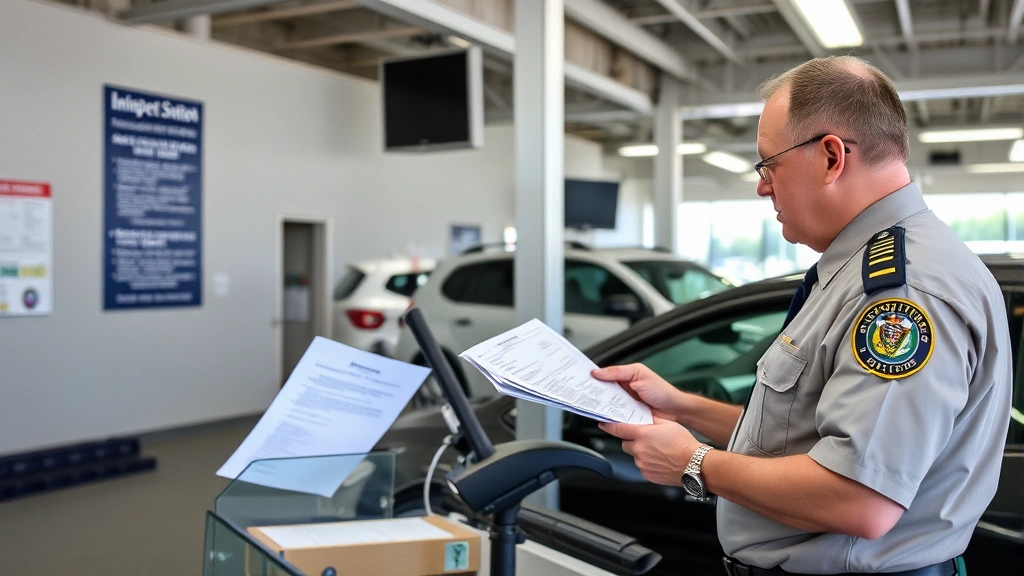
” alt=”Illinois Secretary of State vehicle inspection station with professional staff checking vehicle compliance documentation” />
Penalties for Non-Compliance
Violating Illinois tint law carries meaningful penalties designed to encourage compliance with state safety regulations. The consequences extend beyond simple fines and can affect vehicle registration and inspection status.
Traffic Citations and Fines: A first offense for illegal window tinting typically results in a traffic citation with fines ranging from $100 to $300, depending on the specific violation and the officer’s discretion. Repeat violations within a certain timeframe may result in higher fines.
Vehicle Inspection Failure: Vehicles with non-compliant window tints will fail state safety inspections. You cannot register or renew registration for a vehicle with illegal tints in Illinois. This creates a practical enforcement mechanism, as drivers must correct tinting violations to maintain legal vehicle registration.
Equipment Violation Notation: A tinting violation may be recorded on your driving record as an equipment violation. While not a moving violation, it demonstrates non-compliance with vehicle safety regulations and could potentially affect insurance rates or be considered in traffic court proceedings.
Removal Requirements: If cited for illegal tinting, you’re required to remove or modify the tint to meet state standards and typically must provide proof of compliance to dismiss the citation or reduce penalties. Some courts allow citation dismissal upon presentation of an inspection showing compliant tinting.
The severity of penalties increases if you’re cited for the same violation repeatedly. Patterns of non-compliance may result in law enforcement focusing additional attention on your vehicle during traffic stops.
How to Get Your Tint Inspected
If you have existing window tints or plan to apply new tints, getting them inspected ensures compliance before facing enforcement action. Illinois provides several options for professional tint inspection and verification.
Secretary of State Inspection Stations: The Illinois Secretary of State operates vehicle inspection stations throughout the state where trained inspectors can measure your window tints using calibrated light transmission meters. These inspections are official and provide documentation of compliance or non-compliance. You can locate your nearest inspection station through the Illinois Secretary of State website.
Professional Tint Shops: Reputable window tinting companies in Illinois have light transmission meters and can measure your tints before or after application. Many shops guarantee their work meets state standards and will adjust or replace tints that don’t comply. When selecting a tint shop, ask about their compliance verification process and request measurements of your tints before leaving.
Private Inspection Services: Some independent automotive inspection services offer window tint measurements and compliance verification. These services typically charge a small fee ($20-50) and provide documentation suitable for contesting citations or verifying compliance.
When getting your tints inspected, ask for written documentation of the VLT and reflectivity measurements. Keep this documentation in your vehicle as proof of compliance if you’re stopped by law enforcement. The documentation can also be valuable if you need to dispute a citation in traffic court.
If your tints are found non-compliant, you have several options. You can have the tint film removed entirely, apply lighter tint film that meets standards, or if you qualify, pursue a medical exemption. Most tint shops can remove existing tints and reapply compliant alternatives relatively inexpensively.
FAQ
Can I have any tint on my windshield in Illinois?
Illinois permits only a non-reflective tint on the upper six inches of the windshield, below the manufacturer’s sun visor line. The remainder of the windshield must remain completely clear. This limited windshield tinting is allowed for sun protection but cannot extend into the driver’s primary viewing area.
What’s the darkest legal tint I can have on my front windows in Illinois?
The darkest legal tint for front side windows in Illinois is 50% visible light transmission (VLT). This means the tint can block up to 50% of light, allowing at least 50% of light to pass through. When combined with the 35% reflectivity limit, this creates a moderate tint appearance.
Are rear window tints darker than front windows?
Yes, Illinois allows darker tints on rear side windows and rear windows (35% VLT minimum) compared to front side windows (50% VLT minimum). This reflects safety priorities, as the driver’s visibility through front windows is more critical than rear passenger or rear window visibility.
How do I know if my tint meets Illinois standards?
The most reliable way to verify compliance is through professional measurement using a light transmission meter at a Secretary of State inspection station, professional tint shop, or private inspection service. These measurements determine the exact VLT and reflectivity percentages of your tints.
What happens if I get pulled over with illegal tints?
You’ll likely receive a traffic citation with fines typically ranging from $100-300. You’ll be required to correct the tinting violation and may need to provide proof of compliance to dismiss the citation. Your vehicle will also fail state safety inspections until the tints are corrected.
Can I get a medical exemption for darker tints?
Yes, if you have a documented medical condition requiring UV protection or reduced light exposure, you can apply for a medical exemption through your county Secretary of State office. You’ll need a physician’s letter documenting medical necessity. Exemptions typically allow darker tints on side and rear windows but not front windows.
Do I need to remove tints before selling my vehicle in Illinois?
If your tints comply with Illinois law, you don’t need to remove them before selling. However, if your tints are non-compliant, it’s advisable to correct them before sale, as the new owner will need to address the violation during registration renewal or inspection.
Can I apply multiple layers of tint to get darker results?
No, layering multiple tint films to circumvent VLT requirements violates Illinois law. The total light transmission through all window layers, including factory tinting, must meet state requirements. Each application is considered separately, and stacking films is considered an attempt to evade regulations.
Are there different rules for commercial vehicles or limousines?
Commercial vehicles and specialty vehicles like limousines may have different tinting regulations. If you operate a commercial or specialty vehicle, consult the Illinois Secretary of State or a vehicle code compliance attorney for specific requirements applicable to your vehicle type.
How often do I need to have my tints re-inspected?
There’s no mandatory re-inspection requirement for window tints in Illinois, but your tints will be checked during routine vehicle safety inspections for registration renewal. If you’ve had tints applied or modified, it’s wise to get them inspected before your next registration renewal to ensure continued compliance.


