
South Korea Martial Law: Legal Perspective
South Korea’s declaration of martial law represents a significant constitutional and legal event with far-reaching implications for governance, civil liberties, and democratic institutions. Understanding the legal framework, constitutional provisions, and procedural requirements surrounding martial law declarations is essential for comprehending how democracies balance security concerns with the protection of fundamental rights. This analysis examines the constitutional basis for martial law in South Korea, the specific circumstances that led to its declaration, and the legal mechanisms governing its implementation and oversight.
The question of why South Korea is under martial law requires understanding both the immediate political circumstances and the broader constitutional framework that permits such extraordinary measures. When a nation declares martial law, it fundamentally alters the distribution of power between civilian and military authorities, suspends certain civil liberties, and invokes emergency constitutional provisions designed for situations of national crisis. South Korea’s experience with martial law reflects the country’s unique historical context, its constitutional safeguards, and ongoing tensions between executive power and legislative oversight.
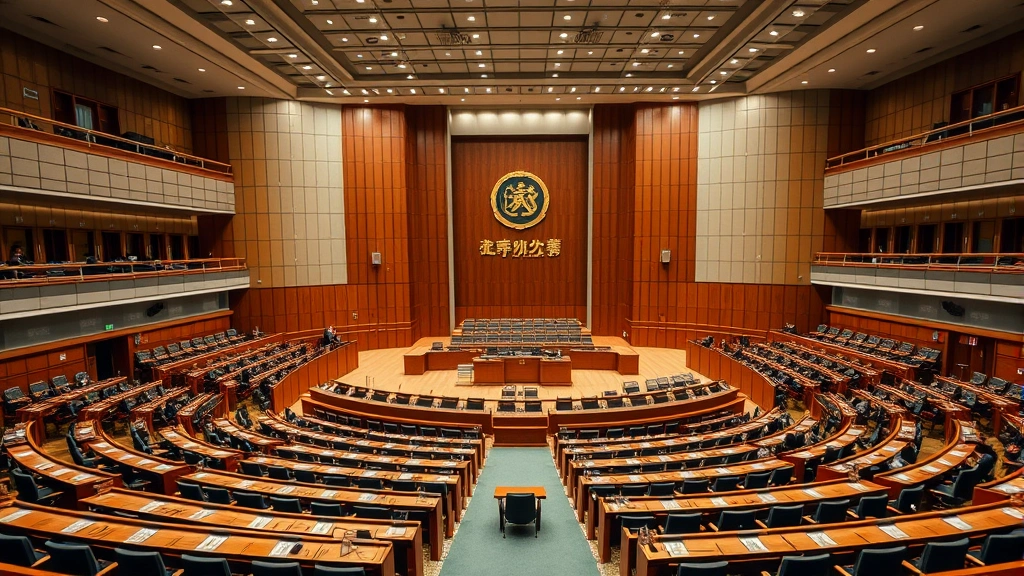
Constitutional Framework for Martial Law in South Korea
South Korea’s Constitution, formally known as the Constitution of the Republic of Korea, contains specific provisions addressing emergency situations and the declaration of martial law. Article 77 of the South Korean Constitution establishes the President’s authority to declare martial law when the nation faces extraordinary circumstances threatening national security or public order. However, this power is not unlimited; it operates within constitutional constraints and requires compliance with procedural safeguards designed to prevent authoritarian abuse.
The constitutional framework distinguishes between two categories of martial law: general martial law (계엄) and emergency martial law (비상계엄). General martial law may be declared when the President determines that extraordinary measures are necessary to protect national security or maintain public order. Emergency martial law represents a more severe classification invoked during situations of imminent national crisis. Understanding these distinctions is crucial because they carry different legal consequences and trigger varying levels of parliamentary oversight.
Article 77 specifically requires that martial law declarations be reported to the National Assembly without delay. This reporting requirement, while seemingly procedural, represents a fundamental constitutional check on executive power. The provision reflects democratic principles embedded in the South Korean Constitution, acknowledging that even in emergencies, the legislature must be informed and retains authority to review and potentially revoke martial law declarations. This mechanism distinguishes constitutional democracies from authoritarian regimes where emergency powers face minimal legislative scrutiny.
The constitutional text also imposes temporal limitations on martial law authority. A declaration cannot remain in effect indefinitely; it must be subject to periodic review and legislative oversight. These constraints represent lessons learned from South Korea’s historical experience with authoritarian rule and reflect the nation’s commitment to constitutional democracy, even during periods of national emergency. When studying statutory law definition and its application to emergency situations, martial law provisions exemplify how legislatures codify executive emergency powers within constitutional parameters.

Circumstances Leading to Martial Law Declaration
The declaration of martial law typically stems from circumstances that political leaders perceive as threatening national security, territorial integrity, or constitutional order. In South Korea’s context, these circumstances have historically included threats from North Korea, internal political instability, or situations where the government believes civilian law enforcement cannot adequately maintain public order. The subjective nature of assessing whether circumstances justify martial law creates inherent tension between executive judgment and legislative oversight.
Recent martial law declarations in South Korea have been preceded by political crises, including disputes between the executive and legislative branches, street protests, and challenges to governmental authority. When the President determines that existing civilian legal mechanisms cannot adequately address the crisis, martial law presents a mechanism to invoke military authority and suspend ordinary legal procedures. However, the determination that circumstances warrant such extraordinary measures remains constitutionally contestable, meaning the legislature and courts may subsequently review whether the declaration was legally justified.
Political polarization and legislative gridlock have been cited as contextual factors in martial law declarations. When the President faces an opposition-controlled legislature that blocks policy initiatives or threatens impeachment, tensions escalate. Some scholars argue that martial law declarations in this context reflect attempts to break legislative deadlock through extraordinary constitutional mechanisms. Others contend that using martial law to address political disputes fundamentally misuses emergency constitutional provisions designed for external threats or severe public order crises.
Understanding the circumstances requires examining communications from government officials, constitutional court filings, and legislative debates contemporaneous with the declaration. These sources reveal the government’s stated justifications and allow analysis of whether those justifications align with constitutional standards for martial law invocation. Civil law vs criminal law distinctions become relevant when analyzing how martial law affects the legal system’s ordinary functioning and the mechanisms through which military authorities exercise jurisdiction.
Legal Procedures and Requirements
The constitutional procedures governing martial law declaration establish a formal process that must be followed regardless of the circumstances justifying invocation. These procedures include specific notification requirements, timing provisions, and mechanisms for legislative review. Procedural compliance, while sometimes dismissed as technical formality, represents a critical constitutional safeguard preventing arbitrary or impulsive martial law declarations.
Upon declaring martial law, the President must immediately notify the National Assembly and the Constitutional Court. This notification triggers institutional responses that provide checks on executive power. The National Assembly receives authority to review the declaration and, under Article 77, may demand that the President revoke martial law by majority vote. This provision means martial law cannot persist against the will of the legislature, theoretically preventing indefinite military rule.
The Constitutional Court possesses authority to review martial law declarations and determine their constitutionality. If the Court concludes that the declaration lacks constitutional justification or violates procedural requirements, it may declare the martial law unconstitutional. This judicial oversight mechanism represents a crucial separation of powers protection, ensuring that even the President cannot unilaterally determine when constitutional emergency provisions apply.
Specific legal orders issued under martial law authority must comply with constitutional constraints. Military authorities cannot arbitrarily arrest civilians, suspend all civil liberties, or establish permanent military governance. Instead, martial law permits enhanced security measures, temporary restrictions on assembly and press freedom, and military enforcement of public order, all subject to constitutional limitations and subsequent review. The scope of permissible martial law actions remains contested, with constitutional courts in various democracies drawing different boundaries.
Impact on Civil Rights and Liberties
Martial law declarations inevitably affect fundamental civil rights and liberties protected by the Constitution and international human rights law. Citizens under martial law may experience restrictions on freedom of assembly, limitations on press freedom, enhanced police and military surveillance, and potential restrictions on movement. However, the Constitution theoretically prevents martial law from eliminating these rights entirely; rather, it permits temporary restrictions justified by extraordinary circumstances.
The right to fair trial faces particular challenges during martial law. Military courts may assume jurisdiction over cases normally handled by civilian courts. Due process protections may be streamlined to expedite proceedings. Habeas corpus protections might be suspended or limited, affecting the ability of detained individuals to challenge the lawfulness of their detention. These changes raise serious concerns about whether individuals receive adequate legal protection and whether military justice systems provide equivalent safeguards to civilian courts.
Freedom of expression faces restrictions during martial law, as authorities may prohibit publications deemed threatening to national security or public order. Media organizations may face censorship, journalists may be arrested, and ordinary citizens may be prosecuted for statements critical of martial law or military authorities. While theoretically temporary, these restrictions can create chilling effects that persist even after martial law is formally revoked.
When considering how martial law affects legal systems, understanding how to choose a lawyer becomes particularly important for individuals needing legal representation during emergency conditions when ordinary legal services may be disrupted. Individuals facing military justice require lawyers experienced in emergency law and military procedures.
Parliamentary Oversight and Checks
The National Assembly possesses critical oversight authority over martial law declarations. Article 77 of the Constitution explicitly grants the legislature power to demand revocation of martial law by majority vote. This provision represents a fundamental democratic principle: even in emergencies, the people’s elected representatives retain ultimate authority to determine when extraordinary measures should end.
Parliamentary oversight operates through multiple mechanisms. The National Assembly may debate the martial law declaration, demand government explanations, and conduct investigations into whether the declaration was constitutionally justified. Opposition parties may challenge the declaration’s legality, propose revocation motions, and appeal to the Constitutional Court. These mechanisms, while sometimes ineffective when the President’s party controls the legislature, provide potential checks on executive emergency power.
However, parliamentary oversight faces practical limitations. If the President’s political party controls a legislative majority, the assembly may be unlikely to revoke martial law despite opposition objections. Conversely, if the opposition controls the legislature, the President might declare martial law partly to circumvent legislative authority. This dynamic illustrates how constitutional design interacts with political realities; formal checks prove effective only when political actors respect institutional boundaries.
The timing of parliamentary action matters significantly. The Constitution requires immediate notification, but it does not specify deadlines for legislative review or revocation decisions. Extended delays between declaration and parliamentary action allow martial law to operate without legislative approval, potentially undermining democratic control. Efficient parliamentary procedures for reviewing emergency declarations represent best practices in constitutional democracies.
International Legal Obligations
South Korea’s international legal obligations, particularly under human rights treaties, constrain martial law implementation even during national emergencies. The International Covenant on Civil and Political Rights (ICCPR), to which South Korea is a signatory, permits states to take measures derogating from treaty obligations during public emergencies threatening national life. However, such derogations must be strictly necessary, temporary, and subject to international notification and review.
The International Court of Justice and human rights monitoring bodies have established standards for evaluating emergency measures. Derogations must be proportionate to the emergency’s severity, limited to measures necessary for addressing the specific crisis, and non-discriminatory in application. South Korea’s martial law declarations must comply with these international standards or risk criticism from international human rights organizations and potential review by UN human rights bodies.
The UN Human Rights Committee monitors state compliance with ICCPR obligations, including emergency measure restrictions. South Korea submits periodic reports detailing how it implements treaty obligations, including during emergency situations. This international oversight mechanism, while lacking enforcement authority, creates diplomatic pressure for compliance with international human rights standards.
Regional human rights mechanisms, including the Asian human rights framework, provide additional oversight. While less developed than European human rights institutions, regional mechanisms increasingly scrutinize emergency measures and their impacts on civil liberties. South Korea’s commitment to regional human rights standards influences how martial law is implemented and justified.
When examining complex legal situations like martial law, understanding foundational legal concepts becomes essential. What is intellectual property law may seem unrelated to martial law, but both illustrate how legal systems balance competing interests—in that case, innovation incentives versus public access to information. Similarly, martial law balances security needs against civil liberties protection.
Legal scholars and international observers analyze whether martial law declarations comply with international obligations. This scholarly analysis, published in journals like the Cambridge Law Journal, contributes to international legal discourse about emergency powers and democratic governance. South Korea’s experience informs broader discussions about how democracies can manage security threats while maintaining constitutional constraints on power.
Constitutional Court Review and Judicial Precedent
The Constitutional Court of Korea possesses exclusive authority to review the constitutionality of martial law declarations. This specialized court, established to protect constitutional governance, can declare martial law unconstitutional if it determines the declaration violated constitutional requirements or lacked adequate justification. Judicial review of emergency powers represents a critical democratic safeguard, ensuring that even extraordinary circumstances cannot override constitutional limits.
Constitutional Court decisions interpreting martial law provisions establish legal precedent guiding future declarations. Courts have addressed questions about what circumstances justify martial law, what procedural requirements must be satisfied, and what restrictions on civil liberties are constitutionally permissible. These decisions refine constitutional understanding and establish standards against which future declarations will be evaluated.
The burden of justification falls on the government to demonstrate that martial law declaration satisfied constitutional requirements. The Court does not simply defer to executive judgment about whether emergency circumstances exist; rather, it independently evaluates whether the government’s stated justifications align with constitutional standards. This judicial role reflects the principle that constitutional limitations apply even during emergencies.
Judicial review timelines affect martial law’s practical operation. If constitutional review takes months or years, martial law may persist for extended periods before judicial determination of its constitutionality. Expedited review procedures, while potentially compromising thorough analysis, ensure that judicial oversight occurs within reasonable timeframes. Courts must balance the need for careful constitutional analysis against the imperative of timely judicial review.
Historical Context and Democratic Development
Understanding why South Korea invokes martial law requires examining the nation’s historical experience with authoritarian rule. During the Cold War era, successive presidents declared martial law to consolidate power, suppress dissent, and bypass legislative authority. These historical experiences created deep public skepticism about emergency powers and motivated constitutional reforms designed to constrain executive authority.
The 1987 democratic transition represented a watershed moment in South Korean constitutional history. The 1987 Constitution, adopted following massive pro-democracy protests, incorporated safeguards specifically designed to prevent executive abuse of emergency powers. Article 77’s requirement for immediate National Assembly notification reflected lessons learned from previous authoritarian martial law declarations that proceeded without legislative oversight.
Subsequent constitutional amendments have further refined emergency power provisions. These reforms reflect evolving democratic norms and increasing emphasis on legislative oversight, judicial review, and civil liberties protection even during emergencies. South Korea’s constitutional development demonstrates how democracies learn from historical experiences and strengthen institutional constraints on executive power.
Contemporary debates about martial law in South Korea occur within this historical context. Citizens and lawmakers remember previous martial law declarations used to suppress political opposition and maintain authoritarian control. This historical memory shapes public reactions to modern declarations and motivates careful scrutiny of whether contemporary martial law invocations serve legitimate security purposes or reflect attempts to circumvent democratic constraints.
For those interested in broader legal education and career development in law, exploring best law schools in US provides context for understanding how legal training shapes lawyers’ understanding of constitutional law, emergency powers, and democratic governance principles applicable across jurisdictions.
Practical Legal Consequences and Rights Protection
During martial law, individuals face practical legal consequences affecting their daily lives and legal rights. Understanding these consequences and mechanisms for protecting rights becomes critical for citizens navigating legal systems during emergencies. Martial law may affect criminal procedure, evidence rules, detention authority, and trial procedures, all with significant implications for accused individuals.
Military courts operate under different procedural rules than civilian courts, potentially affecting defendants’ rights to counsel, cross-examination, and appeal. Lawyers practicing during martial law must understand military justice procedures and advocate effectively within these altered legal frameworks. The need for competent legal representation intensifies during emergencies when ordinary legal protections may be compromised.
Administrative detention authority expands during martial law, allowing military and security forces to detain individuals based on security suspicions without immediate judicial review. These detentions must theoretically comply with constitutional habeas corpus protections, but practical enforcement of these protections may be compromised. Individuals detained during martial law require effective legal representation to challenge detention legality and demand release.
Property rights may be affected by martial law measures. Military authorities may requisition private property for security purposes, restrict access to certain areas, or impose curfews affecting property use. While theoretically temporary and subject to compensation, these measures create practical hardships requiring legal remedies.
For professionals navigating complex legal situations during emergencies, understanding how to choose a lawyer with emergency law expertise becomes essential. Lawyers experienced with martial law procedures, military justice systems, and civil liberties protection provide invaluable representation during crises.
Comparative Constitutional Perspectives
Examining how other democracies address emergency powers provides comparative perspective on South Korea’s martial law framework. Many constitutional democracies contain emergency provisions permitting executive action during crises, but they vary significantly in scope, oversight mechanisms, and civil liberties protections. Comparative analysis illuminates different approaches to balancing security and liberty during emergencies.
The United States Constitution contains no explicit martial law provision, though courts have recognized limited executive emergency authority. European democracies typically include constitutional emergency provisions with strict parliamentary oversight and time limitations. These varying approaches reflect different historical experiences and constitutional philosophies regarding emergency governance.
International legal instruments, including the ICCPR and regional human rights conventions, establish common standards for emergency measures applicable across democracies. These standards require that emergency measures be necessary, proportionate, temporary, and subject to meaningful oversight. South Korea’s martial law framework, evaluated against these international standards, must demonstrate compliance with global democratic norms regarding emergency powers.
Scholarly comparative analysis, available through resources like the Social Science Research Network and academic journals, examines how different democracies implement emergency powers and protect civil liberties during crises. This scholarship informs understanding of best practices and potential constitutional improvements.
FAQ
What is the constitutional basis for martial law in South Korea?
Article 77 of the South Korean Constitution grants the President authority to declare martial law when extraordinary circumstances threaten national security or public order. This authority is not unlimited; it requires immediate notification to the National Assembly and remains subject to legislative revocation and constitutional court review. The constitutional framework distinguishes between general martial law and emergency martial law, with different procedural requirements and oversight mechanisms.
What happens to civil liberties during martial law?
Martial law permits temporary restrictions on certain civil liberties, including freedom of assembly, press freedom, and movement. However, the Constitution theoretically prevents eliminating these rights entirely; restrictions must be justified by the emergency circumstances and subject to constitutional limitations. Civil liberties protections remain in force even during martial law, though their practical enforcement may be compromised.
Can the National Assembly revoke martial law?
Yes, the National Assembly may demand revocation of martial law by majority vote. This constitutional authority represents a critical check on executive power, ensuring that even in emergencies, the legislature retains ultimate authority over martial law duration. If the assembly votes to revoke martial law, the President must comply with this constitutional requirement.
What role does the Constitutional Court play in reviewing martial law?
The Constitutional Court possesses exclusive authority to review martial law declarations’ constitutionality. The court can declare martial law unconstitutional if it violates constitutional requirements or lacks adequate justification. This judicial review mechanism ensures that constitutional limitations apply even during emergencies and that courts independently evaluate whether emergency circumstances exist.
How does South Korea’s martial law framework comply with international human rights obligations?
South Korea’s international obligations under treaties like the ICCPR permit emergency measures derogating from normal human rights protections, but only when strictly necessary, proportionate, and temporary. South Korea must comply with these international standards and submit reports to international human rights monitoring bodies. Regional human rights mechanisms also scrutinize martial law implementation for compliance with international human rights standards.
What historical factors shaped South Korea’s martial law constitutional provisions?
South Korea’s experience with authoritarian martial law declarations during the Cold War era motivated constitutional reforms designed to constrain executive emergency authority. The 1987 democratic transition incorporated safeguards specifically preventing abuse of emergency powers, including requirements for immediate National Assembly notification and explicit legislative revocation authority. These constitutional provisions reflect lessons learned from previous authoritarian misuse of martial law.


